In a momentous change in the history of the richest civic body in India, the Bharatiya Janata Party (BJP)-led coalition known as the Mahayuti has soared towards the monumental victory in the BMC elections. As count continued today, the alliance passed over the halfway mark – a big loss for the Shiv Sena (UBT) and the patched Thackeray cousins keen to protect their decade long grip on the state.
Mahayuti Is In Control of Mumbai Wards
Of 227 wards in the BMC it turns out Mahayuti alliance is still to set the pace of 116 - 118 wards effectively making them contenders who would have a monopoly on the civic giant. The Shiv Sena (UBT) alliance, which ran fiercely to "reclaim Mumbai," currently controls about 83 to 85 wards.
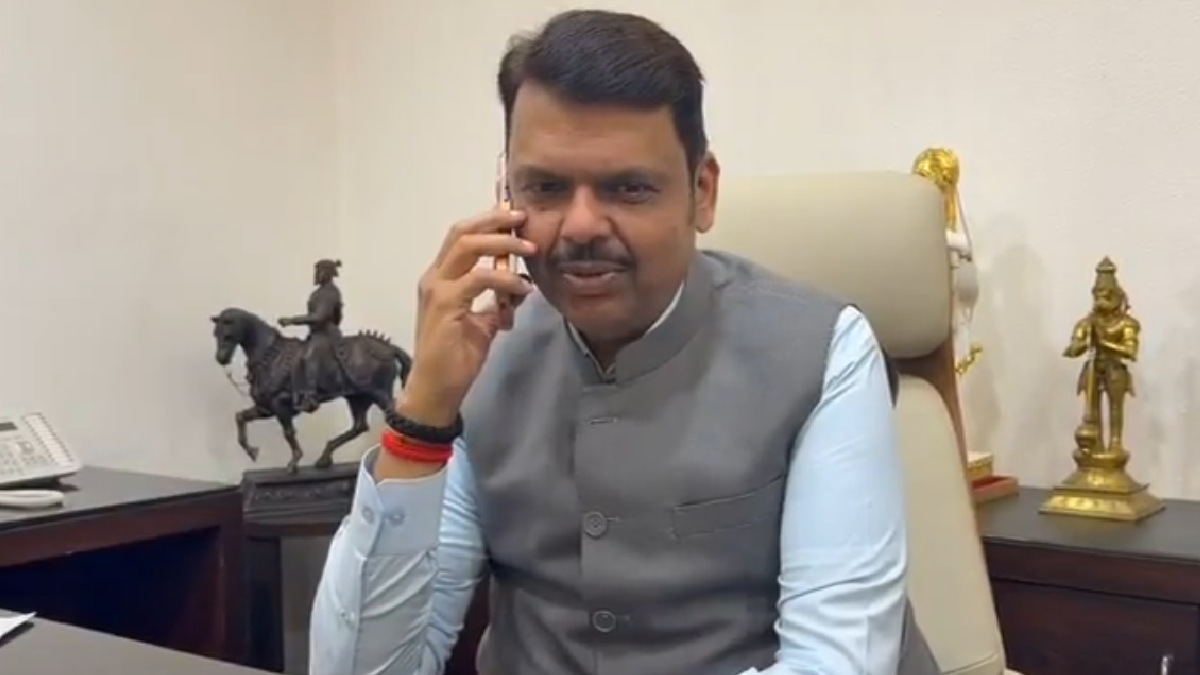
The Maharashtra CM Devendra Fadnavis on social media said in rejoicing on how the alliance did, “BJP writes history once again at the Municipal Corporation Election 2026!” He also congratulated state party leaders and credited the victory to the “trust people have placed in the vision of development under PM Modi and the state government.”
Key Highlights of the Result
The Real Prize: The BMC, whose annual budget has exceeded ₹74,400 crore, has been at the mercy of the undivided Shiv Sena since 1997. This is the first major civic election since the 2022 party split.
Widespread victory
In addition to Mumbai, the Mahayuti alliance has been effective in other key corporations like Thane and Pune, while the Congress took control in the Latur Municipal Corporation.
Thackeray Reunion Effect
Despite a highly-publicised reunion of cousins, Uddhav and Raj Thackeray, an alliance whose goal of consolidating the Marathi vote was under-powered in a lack of a majority turn-out.
Mayor Prediction
CM Fadnavis on Tuesday went on to point out that the next Mayor of Mumbai will come from the Mahayuti alliance, a "Hindu–Marathi" identity, which has long been a central tenet of his campaign.
Polling and Civic Context for Voter Turnout
Mumbai recorded voter turnout of 52.94% during voting on Thursday. Elections were a four-year hiatus since the pandemic and court decisions on ward delimitation. Those results served as the test of the state’s political landscape for voters going forward in the next legislative contest.