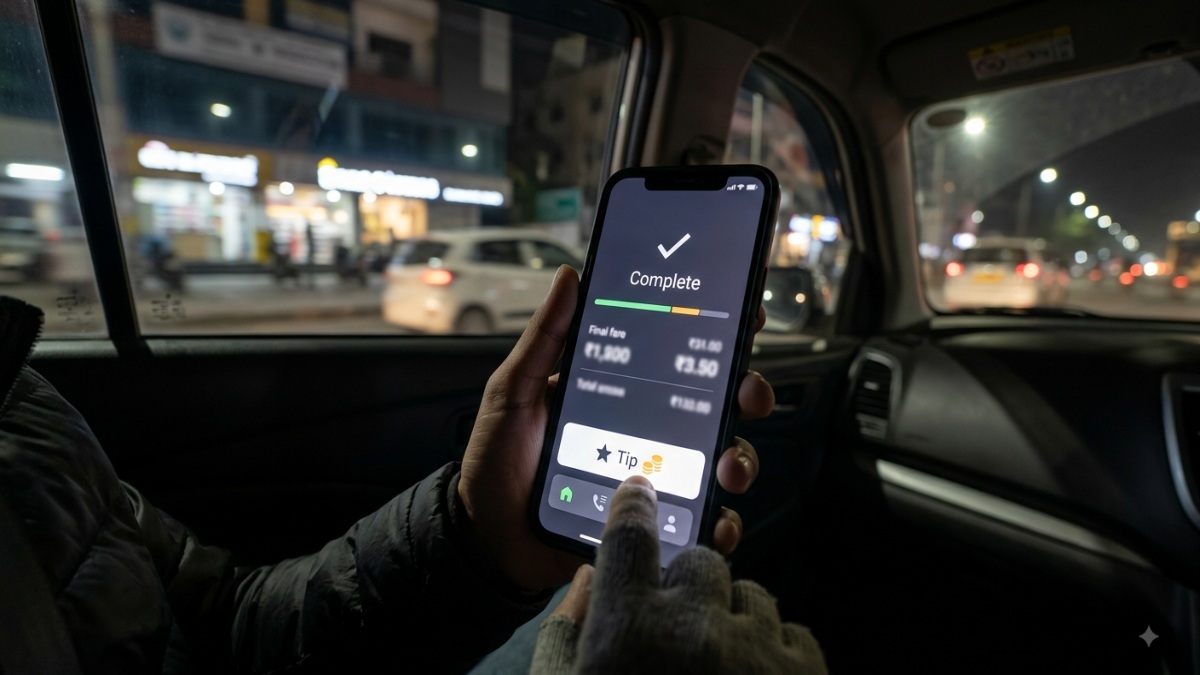
Passengers could be changing how they tip cab drivers; the way in which they tip cab drivers, and cab-booking platforms have moved away from the notion that they can tip before a ride is done. In this new approach, passengers can begin a tip only after they have finished their trip. It intends to make tipping a post-service decision rather than a pre-service decision that can influence the ride before it starts.
The issue of pre-ride tipping has been particularly problematic as tipping is typically done after a service has been provided. By allowing passengers to decide on how much to tip before they enter a cab, riders and drivers will have an opportunity to have an entirely different view of the scene. When platforms shift the choice to the end of the journey, passengers can decide with the feedback of the service.
The change is particularly relevant in the rapidly developing digital ride-hailing ecosystem where passengers book taxis online and use mobile apps to do so. Cab apps have revolutionized people’s transportation to and from a city, with users able to enter their pickup and destination locations, compare estimated fares, track drivers and pay online.
Tipping has developed as another part of this digital experience. Instead of a driver giving the passenger cash directly, often the passenger will choose a tip amount on the app. While convenient, the timing of the tip option can affect the driver’s perception of the service and how the passenger interacts with a driver.
A post-ride tipping system is much simpler. A passenger books the cab, takes the journey, and then is able to tip. The rider can decide if the service deserves some extra payment based on the experience during the journey.
This approach also allows passengers more control. A rider may consider several factors before issuing the tip, including punctuality, driving, cleanliness, courtesy and overall service. When the tip option is only offered after the ride, the decision can be made on the basis of the service rather than expectations to be received before the ride.
The change could also change expectations for drivers about tipping. A pre-ride tip may lead to the assumption that an extra payment is already associated with the booking. A post-ride system separates the fare from the optional tip, so the tip is now an additional payment that the passenger gives after the service.
The distinction between the ride fare and tip is important. The fare is the price of the booked service according to the platform pricing system, while a tip is generally an optional gesture from the passenger. When the service has ended, the tipping option remains in place for the rest of the journey.
The development also comes as more and more users are considering how ride-hailing apps design their passenger interfaces. The design of an app can be key to the behaviour of the users as the passengers process information with buttons, prompts and default options. So whether a tip is asked before or after a ride can also impact how comfortable users feel with it.
One of the major benefits of post-ride tipping for passengers is that it removes the pressure to decide before they actually embark on a ride. So there is no need to decide if a driver deserves to be paid.
The change may also be welcomed by passengers who prefer transparent payment systems. When the fare is settled separately and the tip appears as an optional post-ride feature, users can more easily understand what they are paying for.
At the same time, drivers may have different views about how the change affects their earnings. Tips can be a source of income for some drivers, but the amount and frequency of tipping may differ depending on the passengers and the city. Moving the decision to after the ride means drivers will need to depend on the quality of service and the passenger’s willingness to provide an optional tip.
Importantly, the change will not mean passengers are being prevented from tipping drivers at all. Rather, the timing of the option is shifted. Riders who like the driver’s service are still able to take advantage of the digital tipping option available after the journey, which is integrated with the platform.
The move also reflects a broader principle in digital services: users should be able to evaluate a service before making optional payments associated with its quality. A post-service tipping mechanism is based on a service reward post-service which follows the old concept of rewarding a service after it has been delivered.
Cab travel is different from all the other app-based services because the passenger and driver share the same physical space during the journey. That is why payment and feedback systems need to be built in. A passenger should be able to give feedback or an optional tip without having to make a decision before the ride begins.
Post-ride tipping can also be connected to feedback systems. Ride-hailing platforms often ask passengers to rate their journey after reaching the destination. At this point, tipping and feedback options at the same stage are a natural point for riders to evaluate their experience.
For drivers, feedback can help to understand passenger expectations. A ride is much more than getting to the destination. Safety and communication for the passenger, safe driving and communication of routes and vehicle conditions are necessary.
However, the exact implementation of post-ride tipping can vary between platforms and markets. Cab applications frequently update their interfaces, payment options and service policies. Passengers should look at the relevant app payment screen and terms for the latest information.
This shift from pre-ride tips could in the end make tipping easier. Instead of asking passengers to make an additional payment decision before they have received the service, the system lets them complete the journey, and then decide whether they want to offer extra compensation.
The development will also prompt discussion among drivers and passengers about tipping in the ride-hailing business. Some people would prefer the old fare-only model and others would like a convenient digital way to reward drivers for good service.
The key point for drivers is that a post-ride tip is optional and dependent on the passengers’ decision. For passengers, the change means they get to take stock of their journey first and decide later.
As digital cab services mature and change, small changes in the app features may have a huge impact on the overall user experience. Moving tipping from the beginning of the journey to the end might seem like a minor change but it is different in how passengers make that final payment.
At last, the shift to post-ride tipping puts the emphasis on the service itself. Passengers can finish their journey and evaluate their experience and decide whether they want to tip the driver. For drivers, it creates an opportunity to earn an optional reward based on the service they provide.
When cab-booking platforms continue refining their payment and feedback systems, passengers can expect more changes designed to make digital transactions clearer and more user-friendly. The end-of-ride tipping model could become an increasingly common feature as ride-hailing services look for ways to balance passenger choice, driver incentives and transparent payment practices.