The Centre changed windfall tax on fuel exports, raising export duties on diesel and aviation turbine fuel (ATF) and lowering the levy on petrol exports. The new rates took effect on July 16 after the government’s latest fortnightly review and changed global crude oil market conditions and geopolitical risks.
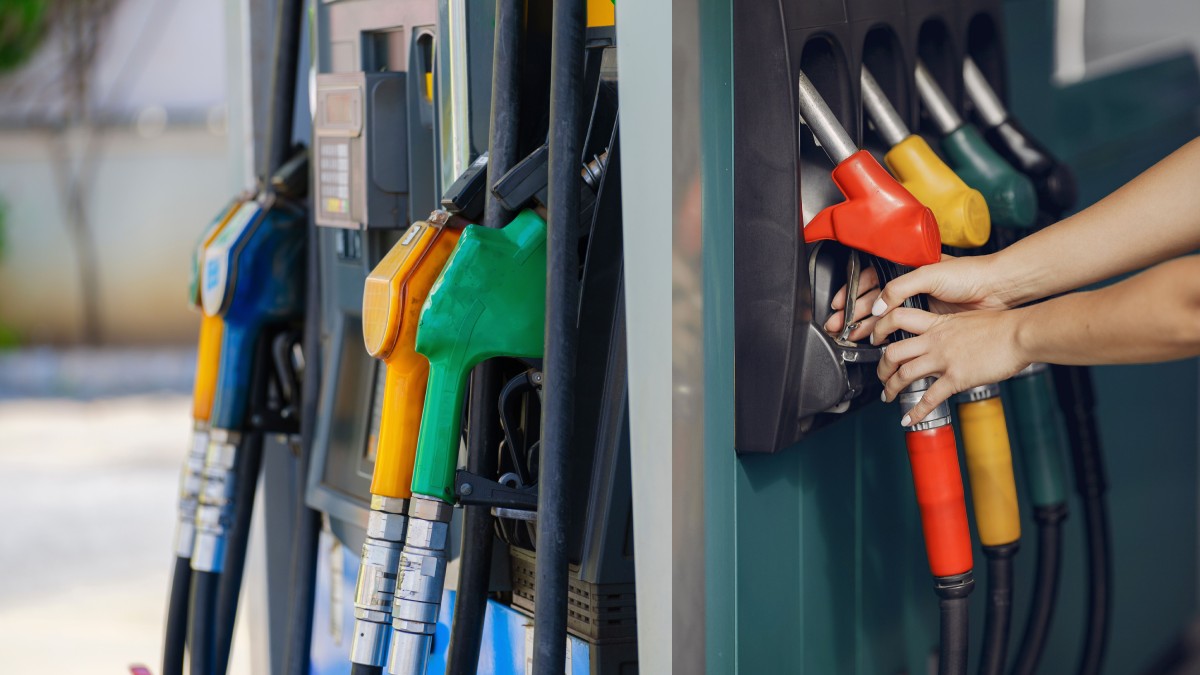
According to the notifications issued by the Finance Ministry, the export duty on petrol has been reduced from Rs 4 per litre to Rs 2.5 per litre. However, the government has increased the windfall tax on diesel exports from Rs 8.5 per litre to Rs 15.5 per litre. As for aviation turbine fuel, the export duty is increased from Rs 7.5 per litre to Rs 14.5 per litre.
The latest revision comes at a time when international crude oil prices have been experiencing renewed volatility. Brent crude, the global benchmark, rose nearly 2 per cent on Wednesday to its highest level in a month at $84.73 per barrel after U.S. President Donald Trump announced a naval blockade on Iran.
The Strait of Hormuz is thought to carry almost one-fifth of the world’s crude oil traffic. Any disruption to traffic through the narrow waterway could have a significant impact on global energy markets and fuel prices. Increasing geopolitical tensions in the Middle East and reported attacks on oil tankers have also added to the rise of crude oil prices.
The demand for oil is still a challenge for prices, but the oil market is still experiencing concerns about global economic growth and persistent inflation, and crude has not enjoyed the same growth as before.
Not just crude oil volatility, global diesel markets are also tightening in recent weeks. Lower diesel exports from Russia are also curbing supplies, driving refining margins higher and increasing the profits for exporters. The new windfall tax will ensure that some of these additional profits are shared with the government and that domestic fuel stocks are sufficient.
The latest tax change is the latest in a series taken by the government to protect domestic fuel supplies since early May. On June 11, the government temporarily prohibited industrial, commercial, and institutional customers from purchasing petrol and diesel directly from stations in the country. Instead, bulk consumers were advised to buy fuel through bulk supply channels.
The move came after authorities noticed a surge in retail fuel purchases by bulk consumers. Retail fuel prices were still significantly lower than market-linked bulk prices. Retail diesel price in Delhi was around 95.20 per litre at one point, and bulk consumers were paying around 134.50 per litre, leading to a huge price difference.
To prevent hoarding and diversion of fuel, the government restricted diesel sales at retail outlets to vehicle fuel tanks or Petroleum and Explosives Safety Organisation (PESO)-approved containers. Purchases were also capped at 200 litres per customer or vehicle per day, and violations would be punished under the Essential Commodities Act.
But as supply conditions improved, the Centre withdrew these restrictions on June 29, and the relaxation took effect on July 1.
The latest revision to windfall taxes represents the government’s continued efforts to balance domestic fuel supply with global market volatility and guarantee that the huge profits made by fuel exporters when they export to countries with high prices are tax-effective as well.
With political tensions in the Middle East not easing and uncertainty around global crude supplies hanging over the global crude market, further adjustments to India's fuel export duties could be possible in coming weeks as the government reviews the windfall tax regime.