Union Home Minister Amit Shah has set a target of ‘not a single litre of untreated or polluted water entering the Yamuna River until December 2028’ (with a renewed push to restore one of North India’s most important rivers). The action is in line with the government's effort to improve water quality through a large-scale infrastructure project and wastewater and inter-agency collaboration.
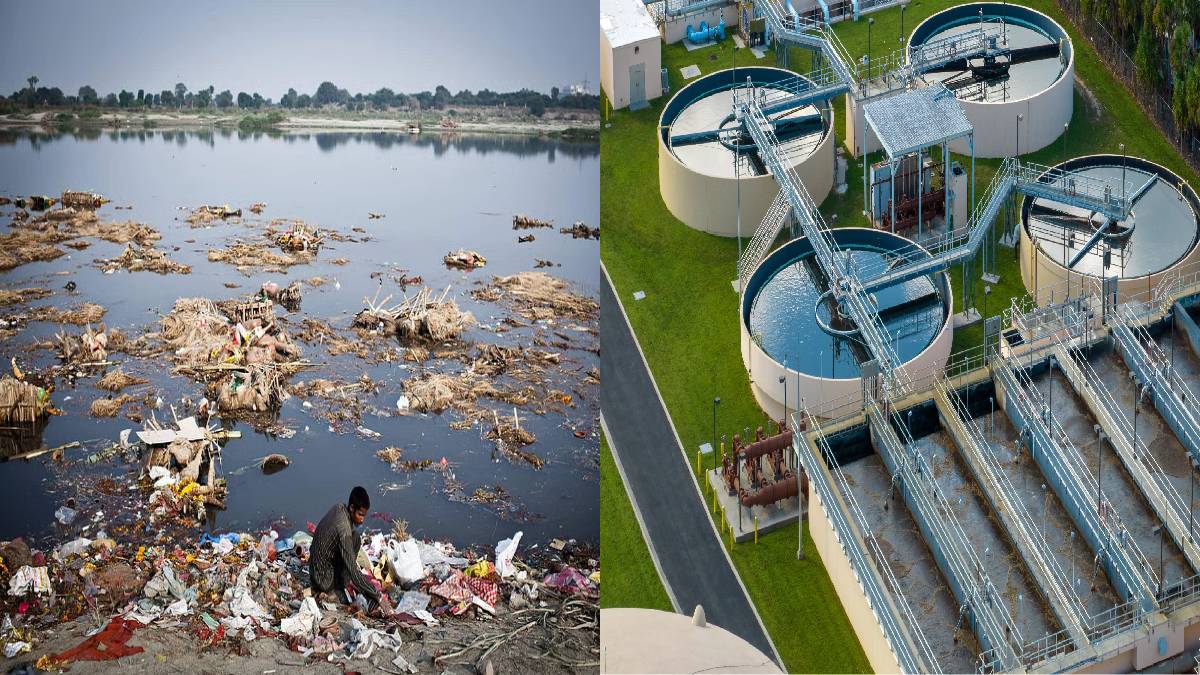
One of the areas that will be the core of the clean-up initiative is the construction of about 80 sewage treatment plants (STPs) and industrial wastewater treatment facilities in Delhi. These projects will help to greatly increase the city’s capacity to treat domestic sewage and industrial effluents before they are discharged into the river.
For decades, untreated sewage has been one of the biggest contributors to pollution in the Yamuna, particularly in the Delhi sector. Rapid urbanisation, growing population, aging sewer infrastructure, and unauthorized discharges have placed tremendous pressure on the river, affecting water quality, aquatic ecosystems, and public health.
The ongoing infrastructure projects aim to intercept wastewater before it reaches the Yamuna, so that only treated water gets released. Modern sewage treatment plants use advanced biological and chemical treatment processes to remove pollutants, organic waste, pathogens and suspended solids, making river health better over time.
Besides wastewater treatment, the government is also addressing another source of pollution—animal waste. The Municipal Corporation of Delhi (MCD) and the National Dairy Development Board (NDDB) have signed an MoU to scientifically process cow dung generated by about 1.25 lakh cattle in the capital.
The initiative is expected to reduce cattle waste disposal to drains and water bodies and optimize its use. Cow dung can be converted into “biogas, organic manure, bio-fertilizers, and other value-added products” to safeguard the environment and contribute to the circular economy.
Officials believe that integrating sewage treatment, industrial wastewater management, and scientific livestock waste disposal will substantially enhance the Yamuna rejuvenation programme.
The Yamuna is one of India’s most important rivers, providing water for millions of people while supporting industry, agriculture and biodiversity as well. This water quality has been a matter of great concern for the central and Delhi governments, and many efforts have been made to reduce pollution and to modernise wastewater treatment.
Environmental experts stress that achieving the 2028 target will require continued coordination between multiple agencies, which include municipal agencies, pollution control boards, urban development departments, and water utilities. The programme will need to see the completion of treatment plants quickly, the extension of sewer networks, and the close monitoring of industrial discharges.
The project also fits with India’s environmental and sustainable development goals, which are to improve urban sanitation, protect natural water resources, promote waste-to-energy solutions and strengthen climate-resilient infrastructure.
If implemented, this initiative could transform the Yamuna in Delhi, improve public health, restore aquatic ecosystems, and enhance the quality of life for millions of people. The December 2028 deadline is very appropriate, as it will take the government's initiative to make tangible progress in terms of infrastructure spending and long-term environmental management.