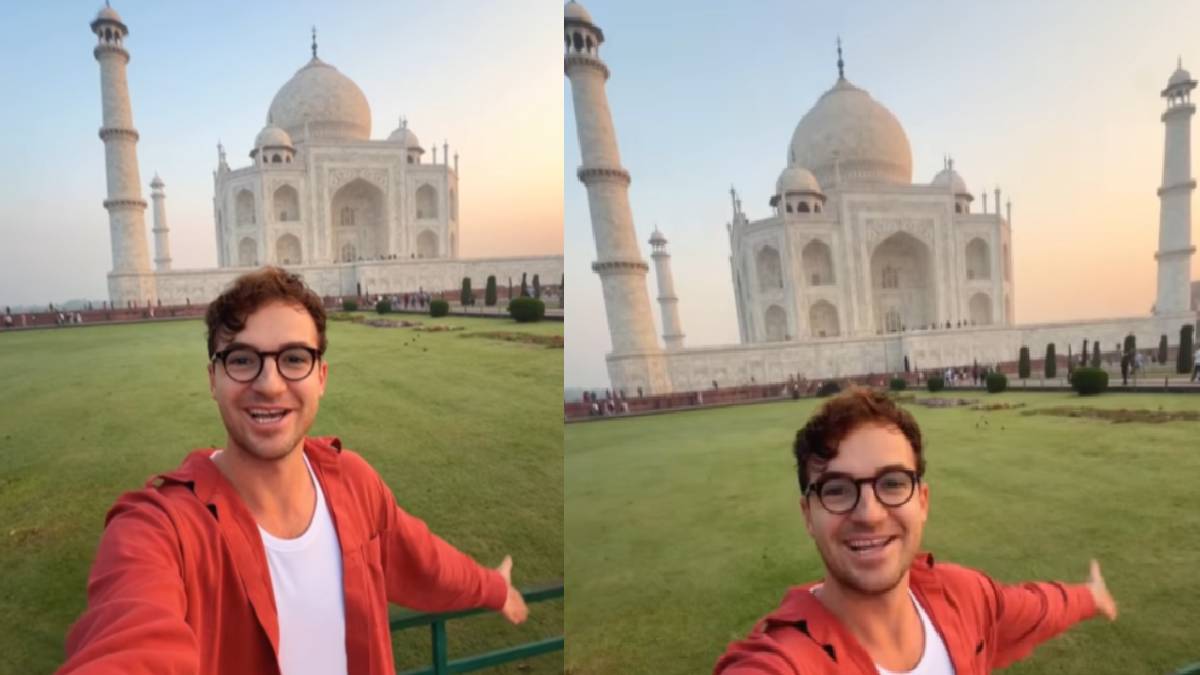
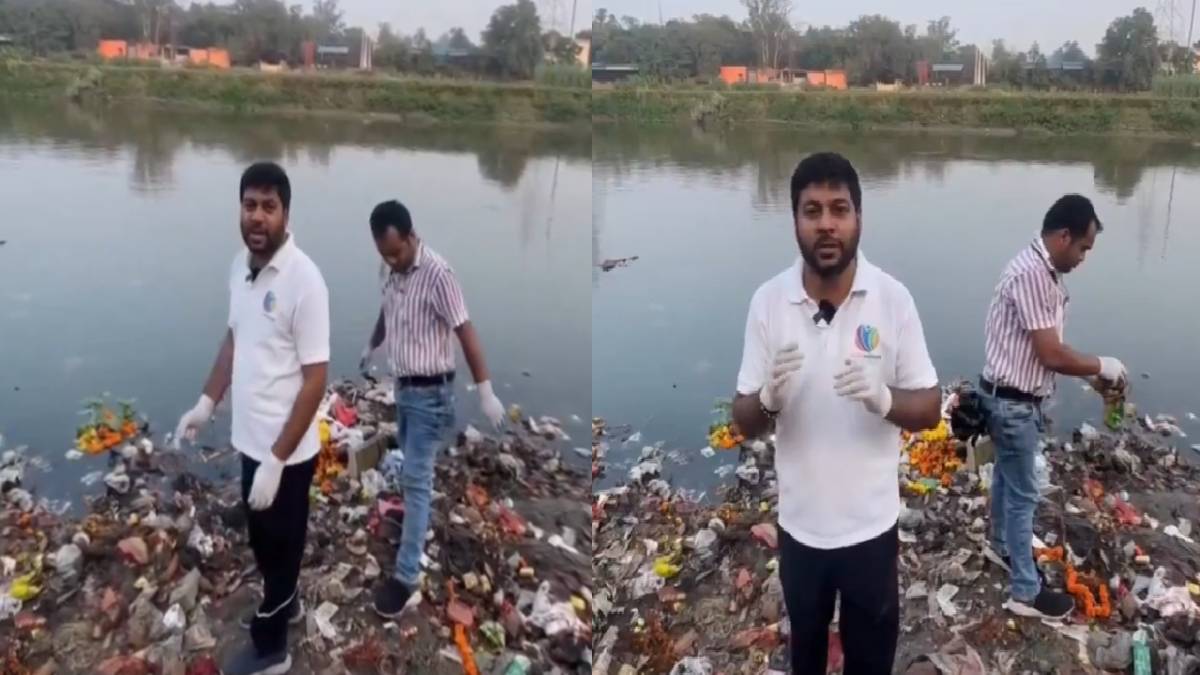
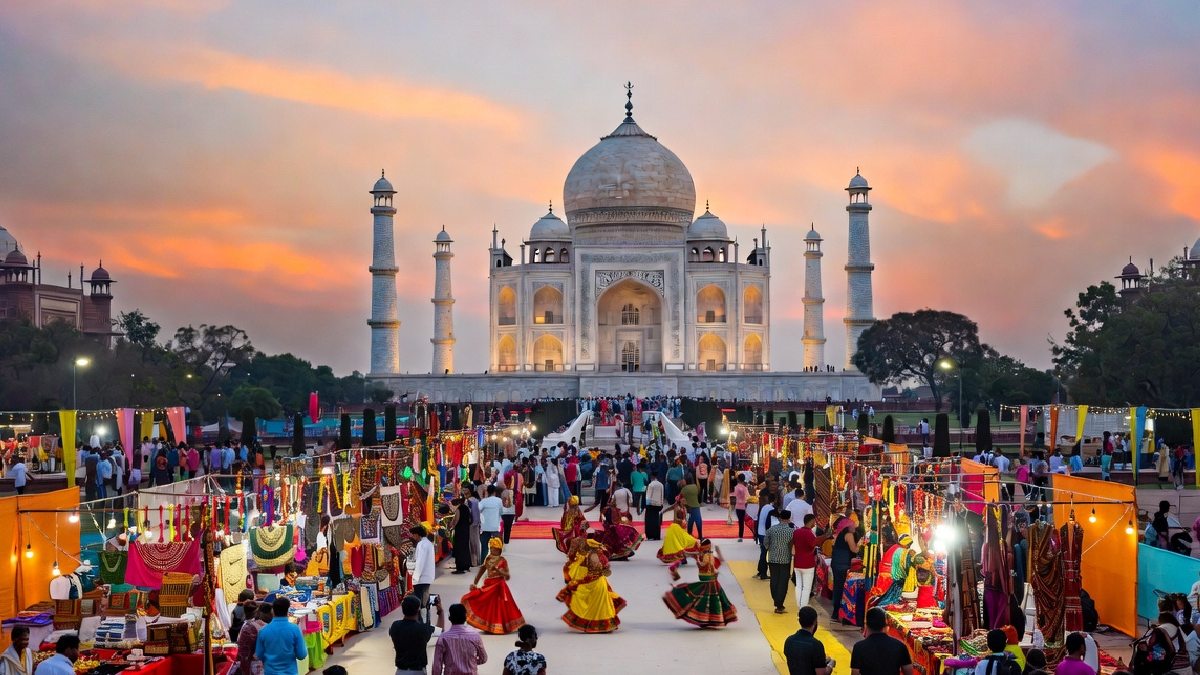
The Taj Mahal, one of the world’s most visited landmarks, continues to attract millions of tourists every year. Recently, the Yamuna River running behind this iconic structure has shocked and disappointed some travelers, and for good reason. A video posted online shows tourists reacting to the foul odor and visible garbage in the river, with trash floating in the water, making it dark and polluted. This scene has sparked outrage and raised questions about the environmental neglect surrounding one of India’s most revered sites.
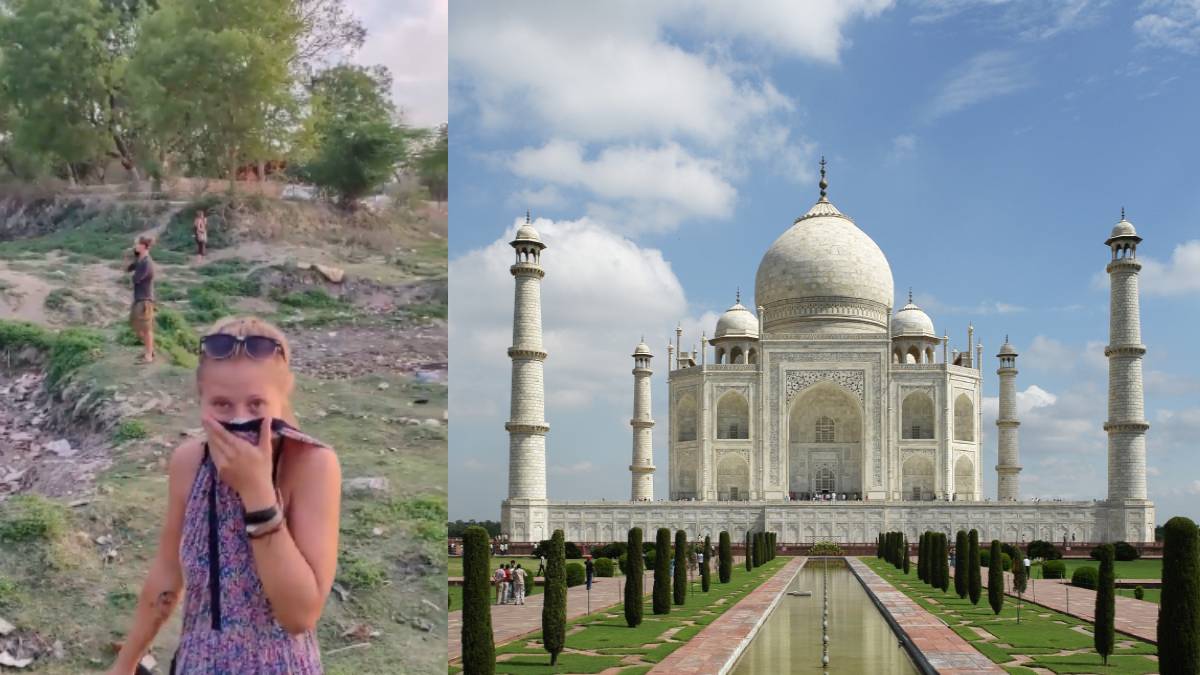
The video, which includes comments in Polish and English comparing the smell of the Yamuna to that of Chennai, suggests the odor was even worse. Tourists reportedly felt nauseous and uncomfortable when visiting the area. The tweet that shared the video sarcastically referred to India as “Vishwaguru,” a term often used to describe India’s ambitious global leadership goals, highlighting the irony of living near a world heritage site in such poor conditions.
Tourists at the Taj Mahal felt NAUSEATED by the FOUL SMELL and the FILTH in the Yamuna River behind it.
— Dr Ranjan (@AAPforNewIndia) January 13, 2026
Vishwaguru 🤡 pic.twitter.com/jUEdMcCGyP
The Yamuna River has been polluted for a long time, especially in urban areas like Delhi and Agra. Untreated sewage, industrial waste, and plastic trash are regularly dumped into the river, making it toxic. Despite numerous cleanup campaigns and court orders, the situation remains dire. There is special concern for the environment and the scenic beauty of the monument near the river of the Taj Mahal.
Environmentalists have long warned that pollution in the Yamuna could damage the Taj Mahal itself. The toxic gases and chemicals released from the river can turn the marble yellow and cause other structural issues. Meanwhile, the foul smell and filthy environment create a terrible experience for anyone visiting the monument: thousands upon millions of people travel from all over the world!
Residents and activists have repeatedly called for stronger action to clean up the river. Some steps have been taken in recent decades, such as establishing sewage treatment plants and banning certain types of waste, but enforcement is lacking. The new video has reignited public anger and demands for government accountability in maintaining the area.
Tourism is a major source of income for Agra, with the Taj Mahal at its center. If the city continues to have negative encounters with tourists due to pollution, it may damage the city’s reputation. Clean surroundings are not just about aesthetics they are about health, dignity, and honoring one’s heritage.
Previous government campaigns to clean the Yamuna included the Yamuna Action Plan. However, experts say that if central and state authorities are not effectively coordinated, and there is limited state monitoring, these efforts often fail to achieve lasting results. As the recent public reaction shows, people are increasingly unwilling to accept excuses. They want real change.
The alarming condition of the Yamuna River behind the Taj Mahal raises a red flag. It reminds us that preserving our heritage is not just about maintaining buildings, but also about the environment around them. The Taj Mahal itself is more than enough, and so are the people who visit it. Cleaning the Yamuna is not just a local issue, it is our national duty. It is high time for officials to act both urgently and sincerely so that future generations can admire the Taj Mahal without holding their breath.