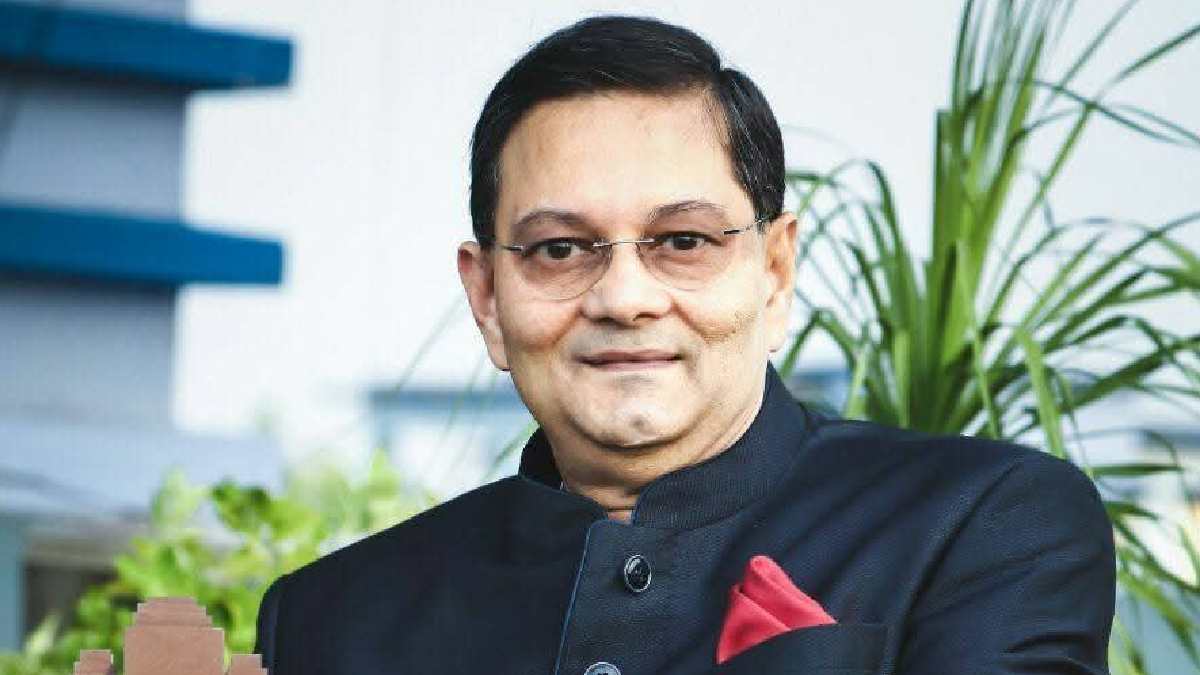
Chandra Kumar Bose, grandnephew of freedom fighter Netaji Subhas Chandra Bose, is apparently considering going to a new political direction after he has been disappointed with mainstream political parties.
This has been especially interesting considering that youth-led Gen Z protests are shaking up established political order in a number of countries.
Bose recently resigned from the Trinamool Congress (TMC), saying he had become disillusioned with mainstream political parties. He also accused both the TMC and the Bharatiya Janata Party (BJP) of being “two sides of the same coin.”
Bose had a long and eventful association with Indian politics. He was in the BJP earlier but left the party in 2023 due to ideological differences. In April 2026, he joined the TMC ahead of the West Bengal Assembly elections but his relationship with the party lasted only a few months.
His political career has been linked with the legacy of Netaji. Chandra Kumar Bose is the son of Amiya Nath Bose and grandnephew of Subhas Chandra Bose. He frequently talked about preserving Netaji’s political philosophy and historical heritage.
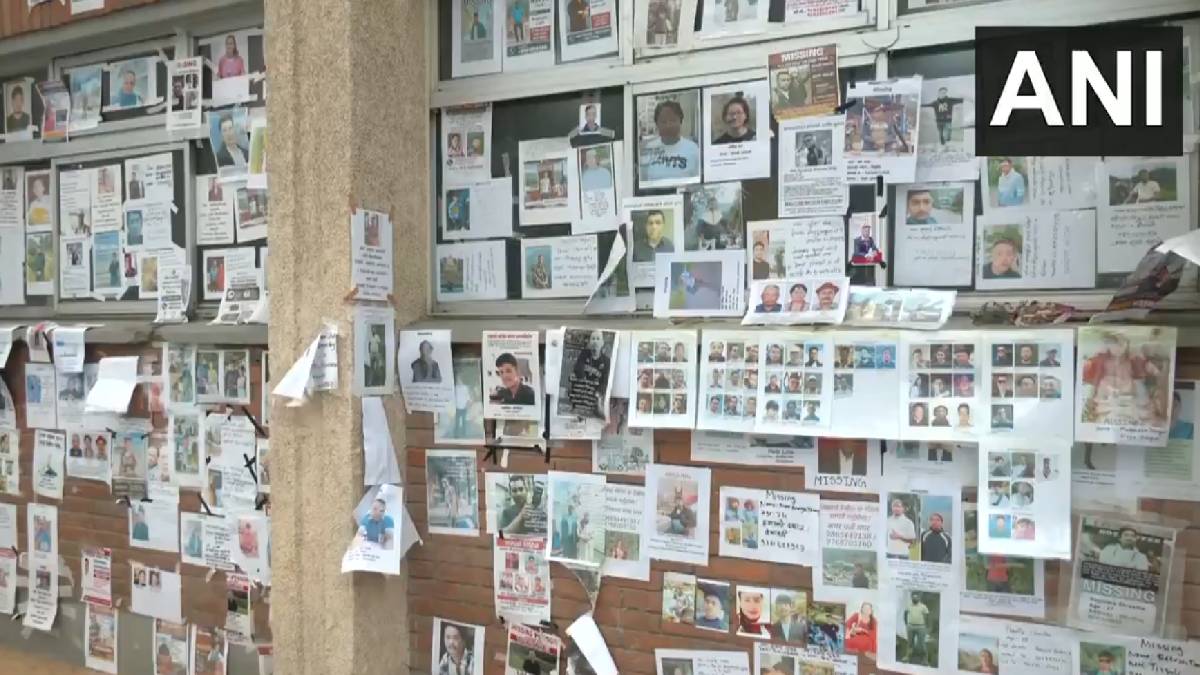
When we see discussions happening about a new independent political space again, we can’t help but feel like it is in the news. Gen Z-powered protests in countries like Nepal have highlighted corruption, political accountability, unemployment and disenchanted political leadership in their countries.
Nepal's 2025 Gen Z protests were at the center of Nepal’s political evolution in 2025.
Bose says that the appeal of such movements is that they are able to mobilize people outside traditional party structures. An independent organization might be able to tap into voters who are disenchanted with established political parties.
And starting a political organisation would be a big challenge. A new party would need a clear ideology, organisational network, a network of local activists, local labour, funding and a strong electoral strategy to get started; a new party would need to have a strong organisational structure, a grassroots base and a strong electoral plan.
And West Bengal’s political system is already well-established and not very democratic yet so it is hard for a new organisation to make a big impact right away.
Netaji's own political history could also become central to any such initiative. Subhas Chandra Bose formed the Forward Bloc in 1939, after differences within the Congress. The party was supposed to bring together left-wing and nationalist forces under his political vision.
Whether Chandra Kumar Bose will launch a separate political party remains a very much in question in the future. If he does so, the move could be a new way to try to combine Netaji's legacy and the increasing demand in India for political alternatives of younger voters for new political parties.
For now, his exit from the TMC has reopened speculation about his next political direction and whether a new generation of voters might be the bedrock of his next political experiment.