Chennai is set for one of the biggest planned expansions in its urban history; CMDA’s master plan for an enlarged Chennai Metropolitan Area (CMA) of nearly 5,904 square kilometres is being developed. The proposed metropolitan area would be nearly five times the size of the existing 1,189-square-kilometre CMA, and thus would represent a much larger geographical area under integrated planning.
The expansion will add parts of Chengalpattu, Kancheepuram and Tiruvallur districts to a more integrated metropolitan planning system. It is all an effort to prepare Chennai for the future of population growth, infrastructure needs, economic growth and demand for housing, transportation and public amenities.
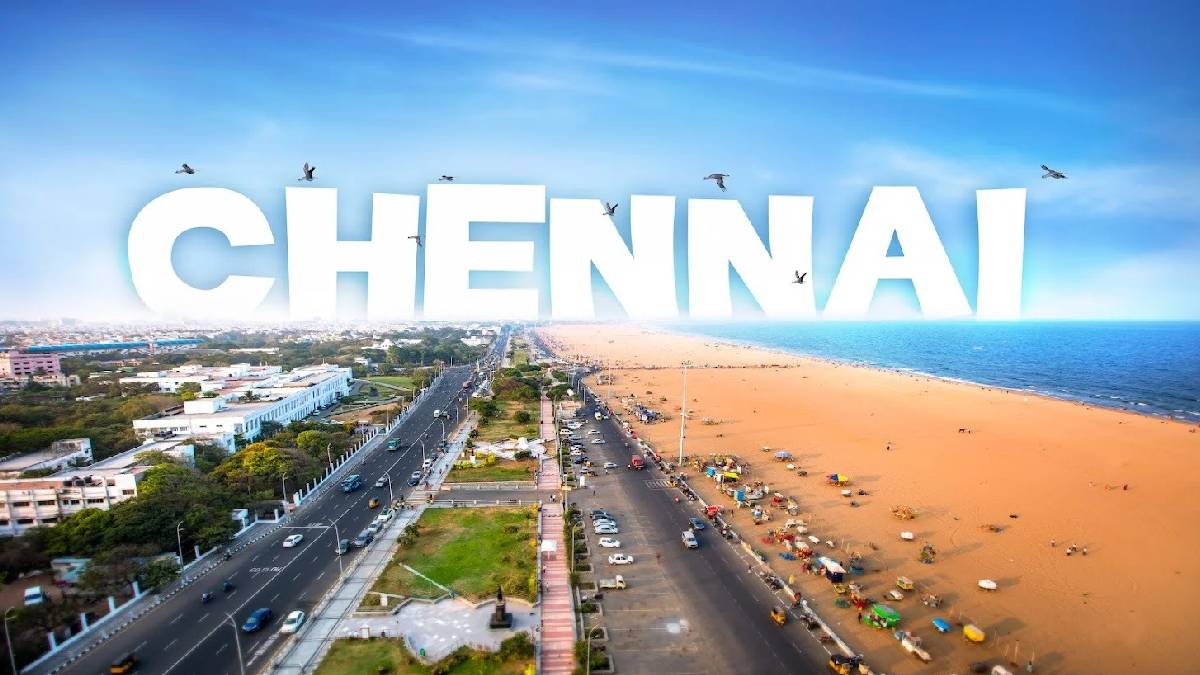
Developing new coastal recreational areas and beaches is one of the key aspects of the new master plan. Appropriate coastline could be found for tourism, public access, recreational facilities and infrastructure, along with other areas that are vulnerable to development and protected coastal areas.
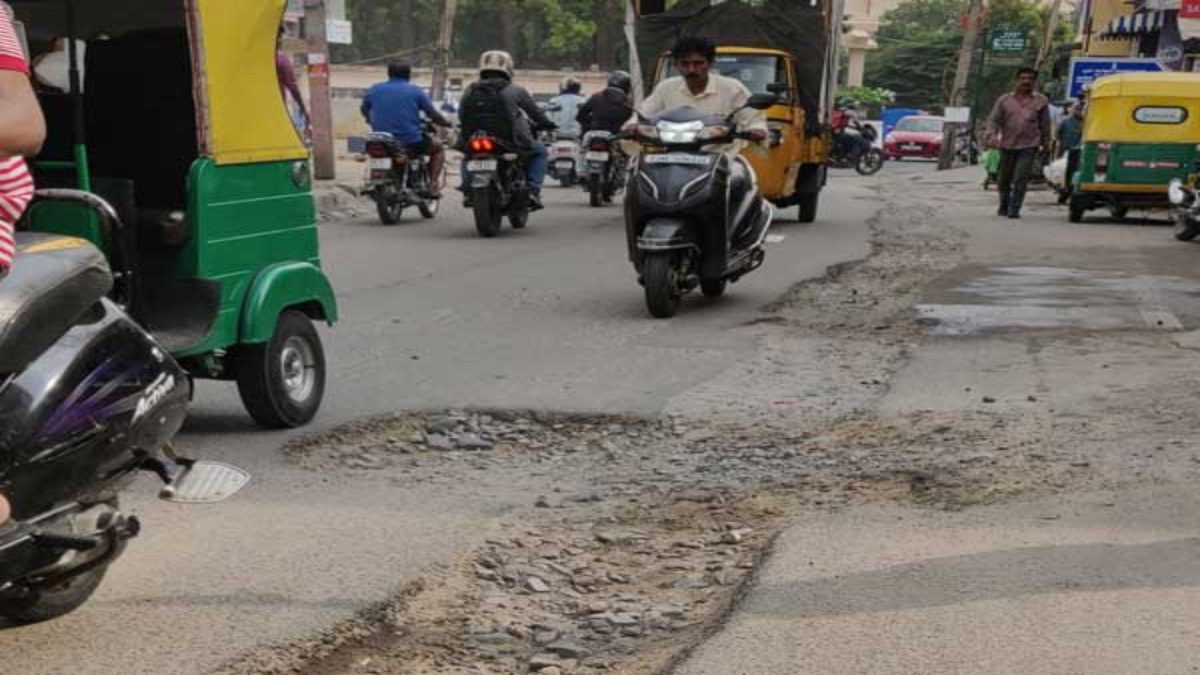
Transportation will be an integral part of the wider metropolitan plan. As Chennai’s urban base expands further, the authorities have to build a road network to connect the emerging residential, commercial and industrial zones with existing urban centres. The proposed road grid for a future-ready road network could be wider and more connected, reducing the reliance on a few major corridors.
The challenge will be to ensure that the transportation infrastructure is established ahead of urbanisation. Rapid growth without roads and public transport will lead to longer commuting times, traffic congestion and pressure on existing infrastructure. A 5,904 square kilometres metropolitan plan therefore presents an opportunity to establish transportation corridors and mobility infrastructure before a full-fledged expansion occurs.
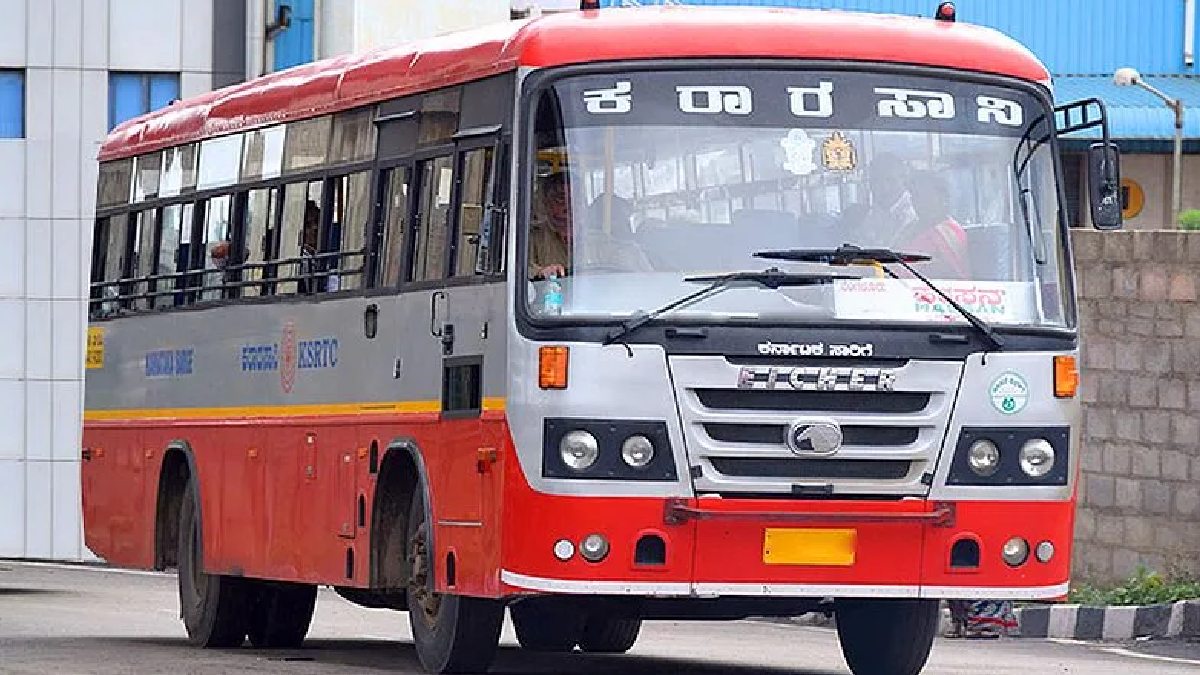
Public transport and last-mile connectivity will also be covered more. As development expands further away from central Chennai, residents will need reliable connections between residential neighbourhoods, employment hubs, railway stations, metro stations and major transport corridors. In the case of a growing city, how various modes of transportation can be integrated will be more and more important.
Flood resilience is another key consideration for Chennai. The city’s repeated flooding and waterlogging have shown that the risk of urban development in vulnerable areas is real. The new master plan should identify flood-prone zones and incorporate climate-resilient planning into future development. This could be appropriate land-use zoning, better drainage systems, protection of natural water bodies and restrictions on unsuitable development in vulnerable areas.
The master plan will also determine where the different categories of development should take place. Residential, commercial, industrial and recreational activities might be distributed according to infrastructure availability, environmental conditions and future growth projections. Such zoning could help prevent the haphazard development that often occurs when urban expansion takes place without adequate long-term planning.
CMDA is also expected to review the existing master plan and bring in changes within 6 months. However, the full master plan for the expanded metropolitan area is expected to take around two years. Public consultation will be one of the key parts of the process before the final plan is adopted.
The scale of the proposed expansion makes it an important project for Chennai's future. A 5,904 square kilometres in the region would be a mix of established urban centres, rapidly developing suburbs, villages, industrial areas, agricultural land and environmentally sensitive areas. Planning for economic development and environmental protection will therefore be an extremely challenging task.
The expansion also presents an opportunity to rethink how Chennai grows. Rather than allowing residential and commercial development to spread first and building infrastructure later, planners may be able to identify future growth corridors and provide roads, public transport, drainage, utilities and other essential services in advance.
The long-term impact would be not just new roads and buildings. Better connections between Chennai and its surrounding areas would enable the establishment of new employment centres and less pressure on the city’s core. Planned development could also spread economic activity more evenly across the metropolitan area.
At the same time, implementation of the plan will be crucial. A detailed master plan can provide a solid framework, but in the end its effectiveness will be determined by land-use enforcement, infrastructure investments, coordination of government agencies and public participation.
Chennai’s proposed expansion is more than just a change in administrative boundaries. It is an opportunity to plan the region for the next few decades. If transport, drainage, public services, environmental safeguards and last-mile connectivity are developed alongside urban growth, the enlarged CMA could become a more connected, resilient and sustainable metropolitan region.
With the proposed 5,904-square-kilometre footprint, Chennai has a chance to avoid the problems of unplanned outward growth. In the end, it is infrastructure that will drive urbanisation, not the other way around. If that is the backbone of our new master plan, the expansion will turn Chennai into a more integrated and future-ready metropolitan area.