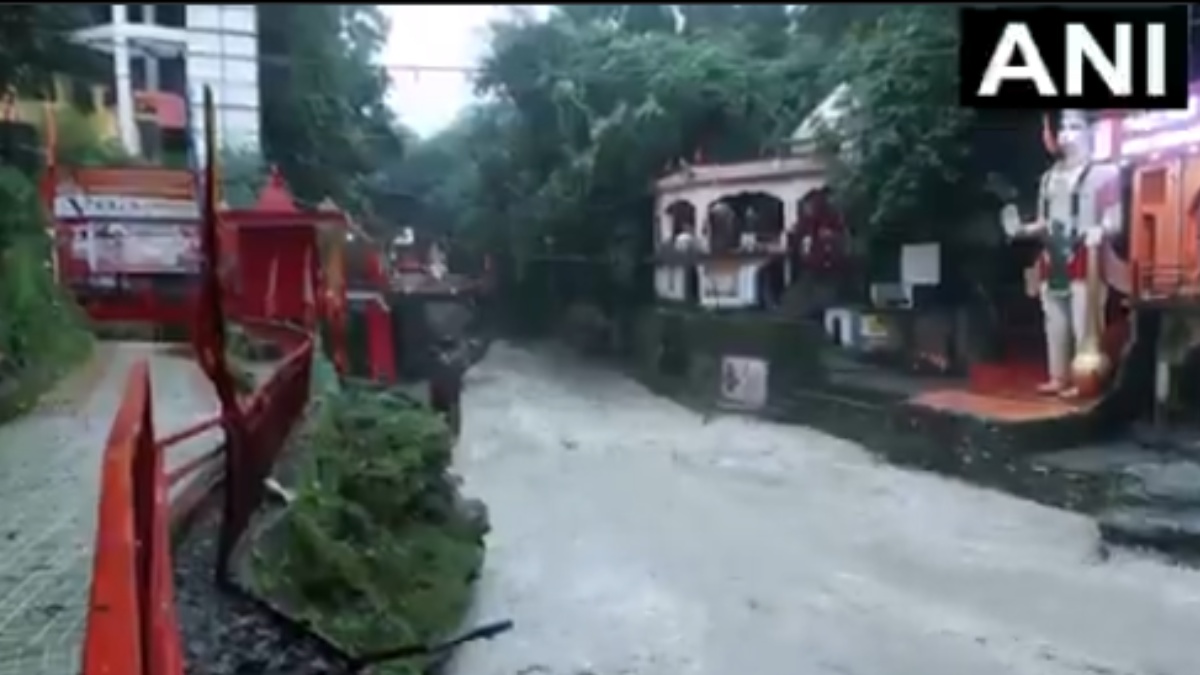
Children are the most vulnerable members of any family and safety is one of the greatest responsibilities parents and caregivers have for children. No parent can predict every scenario and having an alert approach to risk and preventive actions will greatly reduce the chances of a child getting hurt at the hands of an unanticipated event. Tragedy is rarely the result of a warning. That is why knowing before an incident takes place is much more important than regret afterward.
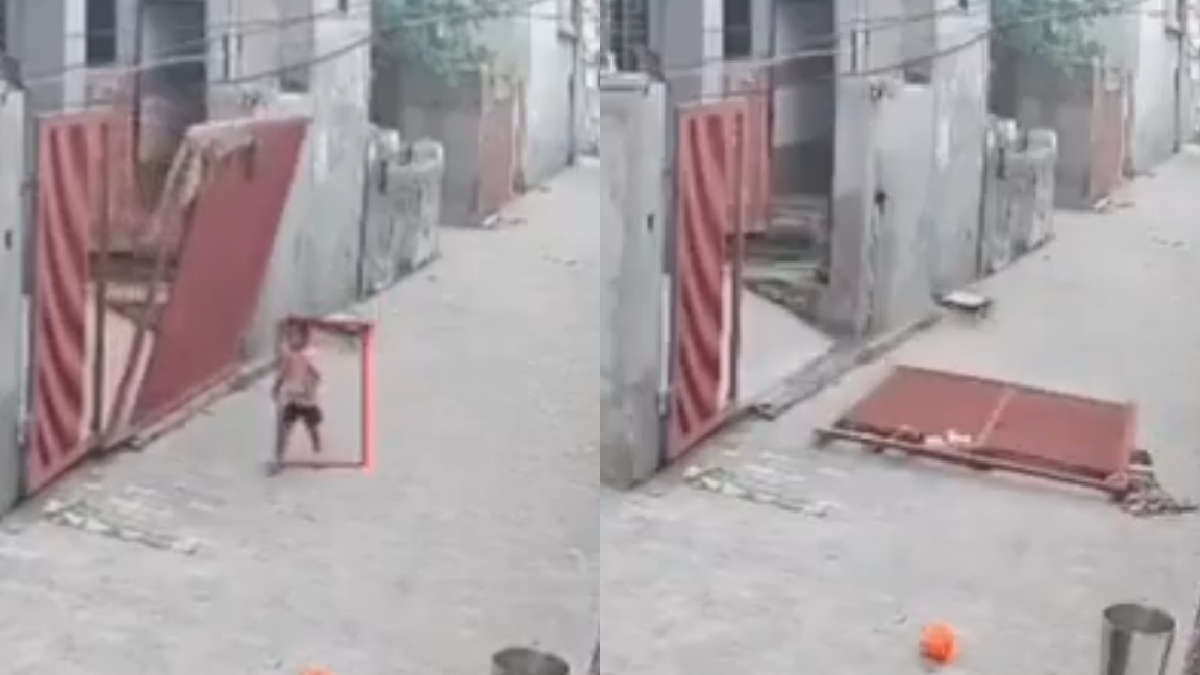
Parents often become more concerned about safety after hearing of a tragic incident with a child. Such incidents can be very disturbing and serve as a lesson in how children don’t always understand danger in the same way adults do.
A child might simply trust a stranger, walk into an unsafe place, interact with an unknown object or make a mistake in a dangerous place and not realize the consequences. Adults need to be able to spot dangers that children don’t yet understand.
So it’s not for children to be constantly scared and afraid of something they are not to be afraid or prevent them from getting to have normal childhood experiences with their children from moving on from their own activities in general.
It also doesn’t mean that you should worry about safety does not mean always frightening children or prevent them from going to the same things they normally do when they are always afraid and never experiencing the normal things they do when something is wrong and do not make them afraid and make them do what’s wrong with everything. Simple talk about safety can make a difference.
Children should know where to seek professional help, how they can go to their parents and/or other adults or trusted adults if they need help, where to go to their parents or trusted figures of authority or the adults and why they should report anything that makes them uncomfortable or afraid, too.
For younger children supervision is particularly important. Parents and caregivers should know where their children are, who they are with and what kind of environment they are spending time in. At home, open balconies, electrical points, medicines, sharp objects, cleaning chemicals and unsafe appliances should be kept away from children.
Parents need to be concerned about roads, crowded public places, swimming pools, construction sites and other potentially dangerous environments outside the house.
Digital safety is also more and more of a vital part of protecting children. With smartphones, social media, online games and video platforms all part of kids’ day-to-day lives, young people are exposed to risks that are not physical.
Parents should teach kids about privacy, strangers online, suspicious messages, inappropriate content, and never giving personal information without permission. That is a lot better than imposing restrictions because children should feel safe approaching their parents if they find something troubling.
The other important thing to teach children is about trusted adults. If they’re lost and scared or approached by someone who makes them uncomfortable, they can ask someone else for help and if that’s a parent, teacher, security guard, police officer or another trusted adult they’re not likely to feel anything about at the time. Children need to know that they can say no if someone asks them to do something they don’t like and that is no matter where they are from.
Parents need to not be naive in thinking that serious incidents only happen in unfamiliar locales. Safety awareness should extend to schools, tuition centres, playgrounds, neighbourhoods, family gatherings and transportation. Caregivers need to know who is responsible for supervision and should be ready to ask questions if there is a lack of safety.
Parents need to keep in mind that responsibility for child safety should not rest solely on children. Just telling children to “be careful” isn’t enough. Adults, institutions and communities should create safe environments for them, and should take warning signs seriously. Schools, residential communities, transport operators and public authorities all need to protect children.
👨👩👧 పిల్లల భద్రత విషయంలో తల్లిదండ్రులు అప్రమత్తంగా ఉండాలి, ఇలాంటివి అయ్యాక బాధ పడే కంటే ముందే జాగ్రత గా ఉండాలి! pic.twitter.com/hYKNAZrU9t
— ముచ్చట్లు | Stories • Voices • Views (@muchatlu_) August 18, 2026
The lesson is that prevention must begin before a crisis. No amount of regret can repair damage once it has been done. And families can live for years wishing they had seen a warning sign earlier or done more. That may be the case from hindsight but parents should do anything they can to protect children from such risks in their daily lives.
Parents do not need to be afraid all the time. Rather, they need to be vigilant. Knowing where children are, listening to them, teaching age-appropriate safety habits, keeping an eye on their environment and having open lines of communication are the fundamental things that can make childhood much safer.
Ultimately, protecting children is not about restricting their freedom; it is about providing them the knowledge, supervision and support they need to navigate the world safely. Every parent hopes never to see a tragedy happen to their child. And the best way to honour that hope is to take reasonable precautions today before a bad thing happens to teach a painful lesson tomorrow. Staying alert beforehand is always better than grieving afterward.