A new kind of COVID-19 known as the “Cicada” variant has gained global attention after discoveries in more than 20 countries. What’s caught the researchers’ attention is the high number of mutations (more than 70 mutations), raising further questions about its transmissibility, immune escape capacity and impact on public health systems.
Health analysts say the number of mutations may seem alarming but it does not necessarily mean the variant is more dangerous. Such high mutation rates, especially when it comes to spike protein, could potentially contribute to fast transmission of the virus (and even help it to escape immunity that is already established from previous illnesses or vaccinations).
Initial data in this regard suggest that the Cicada variant is gradually expanding over Europe, regions of Asia and North America. A number of monitoring organizations are working closely with them to track it to get its health impacts and whether it has consequences as well including higher rates of hospitalization. Yet we have no direct evidence that it causes more serious disease compared to previous variants, for example, at this time, the report notes.
And it also leaves us with the question of whether this new variant could trigger another wave. It is likely more favorable that India is already in a very good position because vaccines are being administered everywhere and various variants have been encountered, experts say. There's a bit of hybrid immunity going on in today's society.
India’s incredibly dense population, its urban crowding and mobility mean any fast disseminating variant can spread before even a full-scale study is commenced. The country needs to take serious measures to increase genomic investigations to find any early signals that the Cicada variant is entering the country.
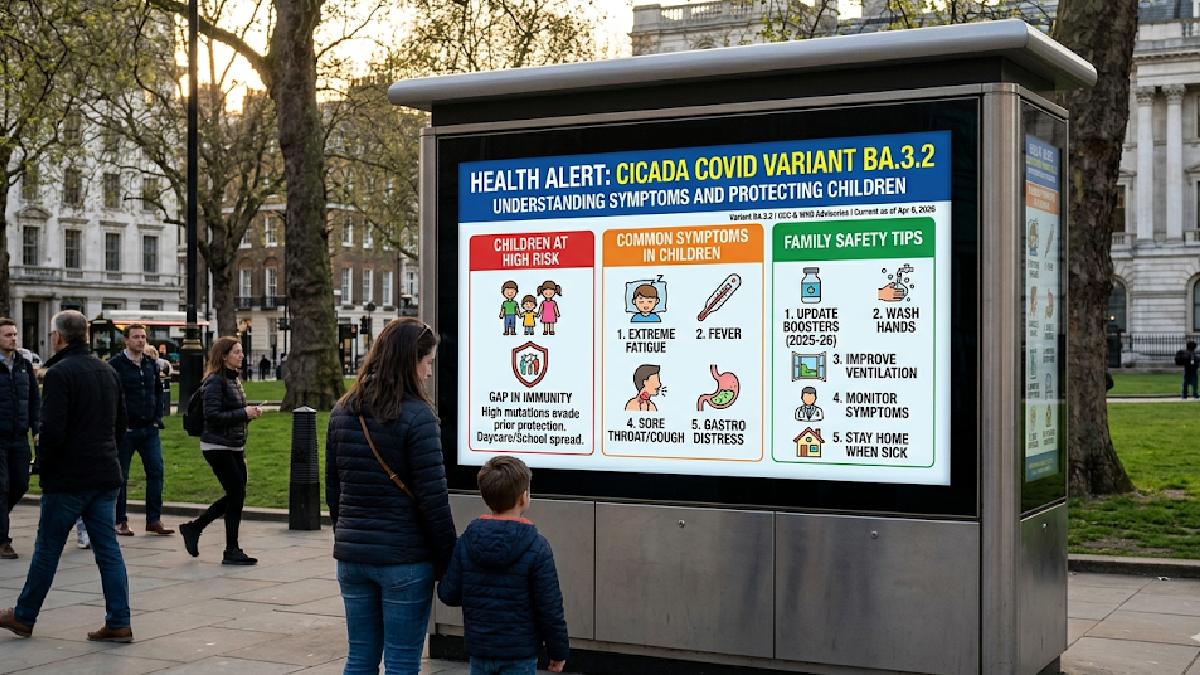
Doctors also note that there are simple precautions to be taken everywhere we spend time. Wearing masks in crowded places, maintaining hygiene and staying updated with booster doses can significantly reduce risks. Most vulnerable groups (elderly people and those with underlying health issues) may be at the most risk if the response is insufficient and/or we don’t act.
The second important link to global communication is travel. With international connectivity restored, these variants could spread very rapidly across borders. Early detection and response systems need to be in place so that widespread transmission is avoided.
We have to stress that the Cicada variant is still quite a big mutation but there is no need for panic. This situation calls for vigilance, not fear. We know that this risk can be contained with very careful monitoring and appropriate measures by means of our efforts so we will always be ready. And what India should ensure is that it has the right attitude to the situation (no need to panic), as a new variant that is being considered will have to be kept ahead of our timeline at all times so that anything happens with this, especially the population for this one side and that would be something good for India if not worse.