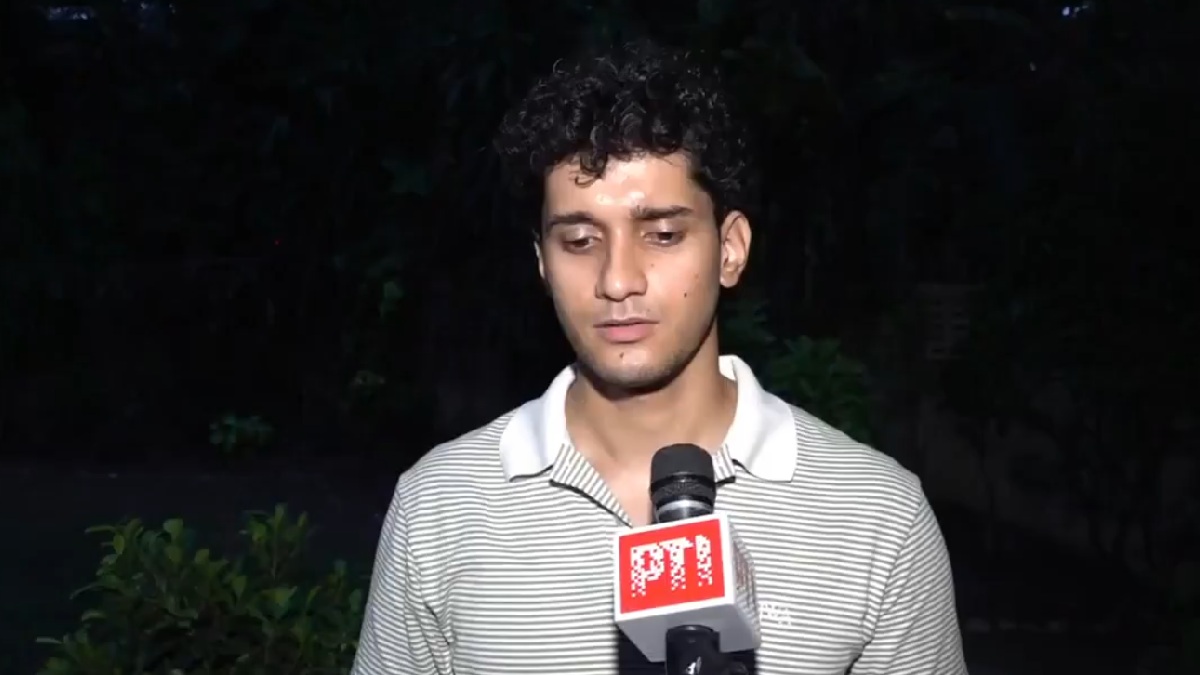
Cockroach Janata Party (CJP) spokesperson Saurav Das has repeated the organization's central demand for the resignation of Union Education Minister Dharmendra Pradhan, calling it ‘non-negotiable’ and warning that the group will escalate its protests if the government does not accept its demands.
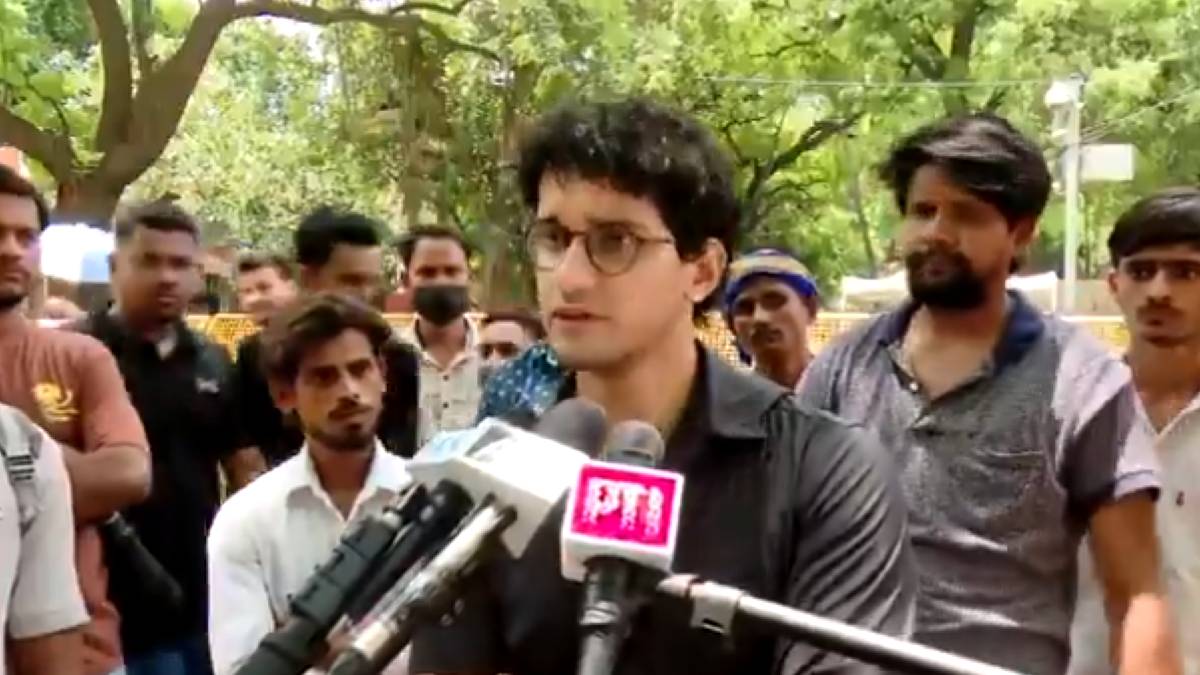
Das said the organization will see to it that the government is able to respond to its demands without delay and that there should be no compromise on the resignation of the Education Minister.
CJP spokesperson Saurav Das -
— News Algebra (@NewsAlgebraIND) July 25, 2026
"Govt will have to accept our non-negotiable demands today.
Dharmendra Pradhan's resignation is our non-negotiable demand.
We have told the govt if they don't agree to our this demand, then we call for a bigger protest" pic.twitter.com/qcoiq18eFE
"The government will have to accept our non-negotiable demands today. Dharmendra Pradhan’s resignation is our non-negotiable demand. We have told the government if they don’t agree to this demand, then we will call for a bigger protest," Saurav Das said.
The statement comes in the midst of ongoing demonstrations and debate on education issues. CJP leaders have consistently stated that the resignation of the Union Education Minister is central to their campaign and have rejected alternatives that do not address their concerns.
Das said the organization had communicated its position to the government and will escalate its agitation if the main demand is not met. But he did not elaborate on the time, location, and nature of the proposed larger protest.
The remarks add to the ongoing standoff between the protest organizers and the government. Several political leaders, student organizations, and civil society groups have voiced competing views on the protests so far, while the government has appealed for law and order to be kept in place.
The Union government has not immediately responded to Das's latest statement. Any decision on the demands made by the organization would depend on the government's assessment of the situation and any subsequent discussions with stakeholders.
Political observers say that if a larger protest is called, the organizers and administration will be under pressure. But at the same time, they say that any demonstrations are to be carried out within the law and that all parties have to abide by it and make sure it is peaceful.
A growing protest movement will continue to evolve, so how is it possible for the government and the organizers to have further dialogue in the future, as well as whether CJP will carry out the larger demonstration it has said it will organize if its demands are not met?