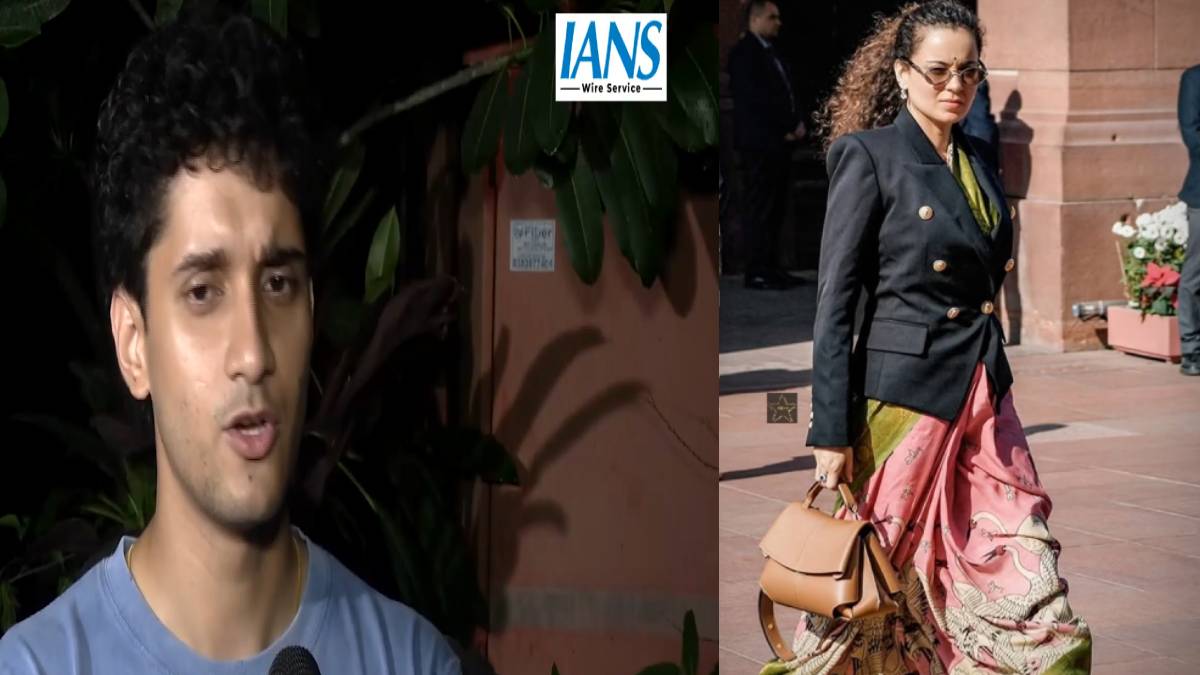
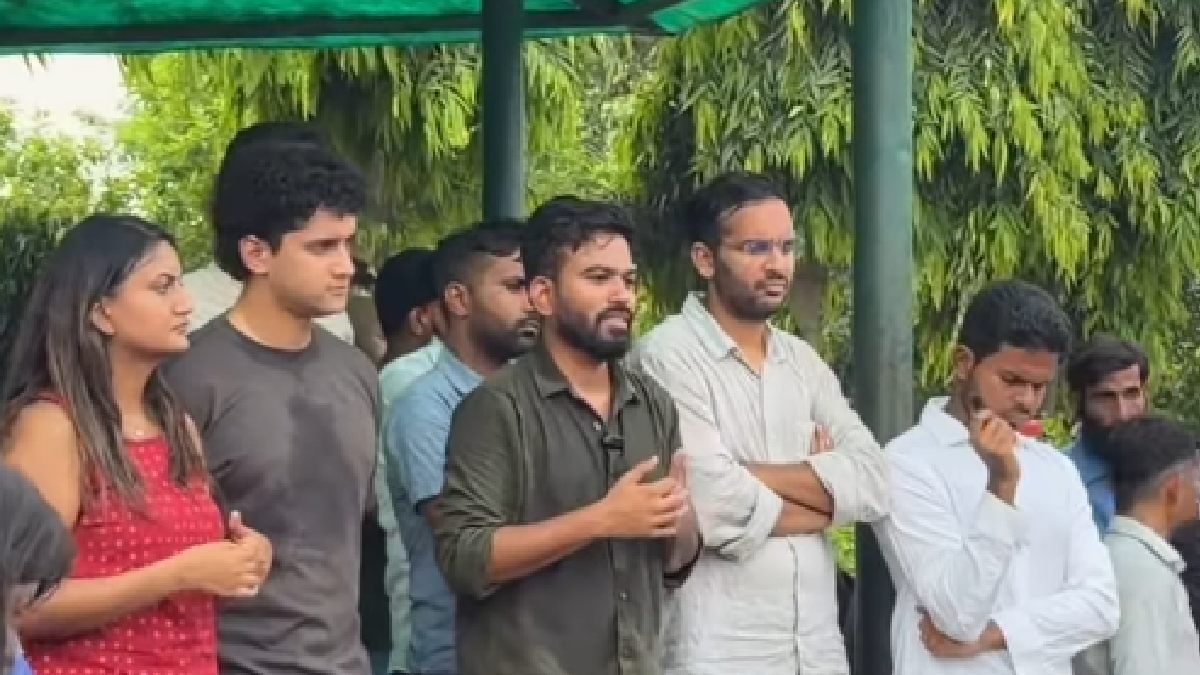
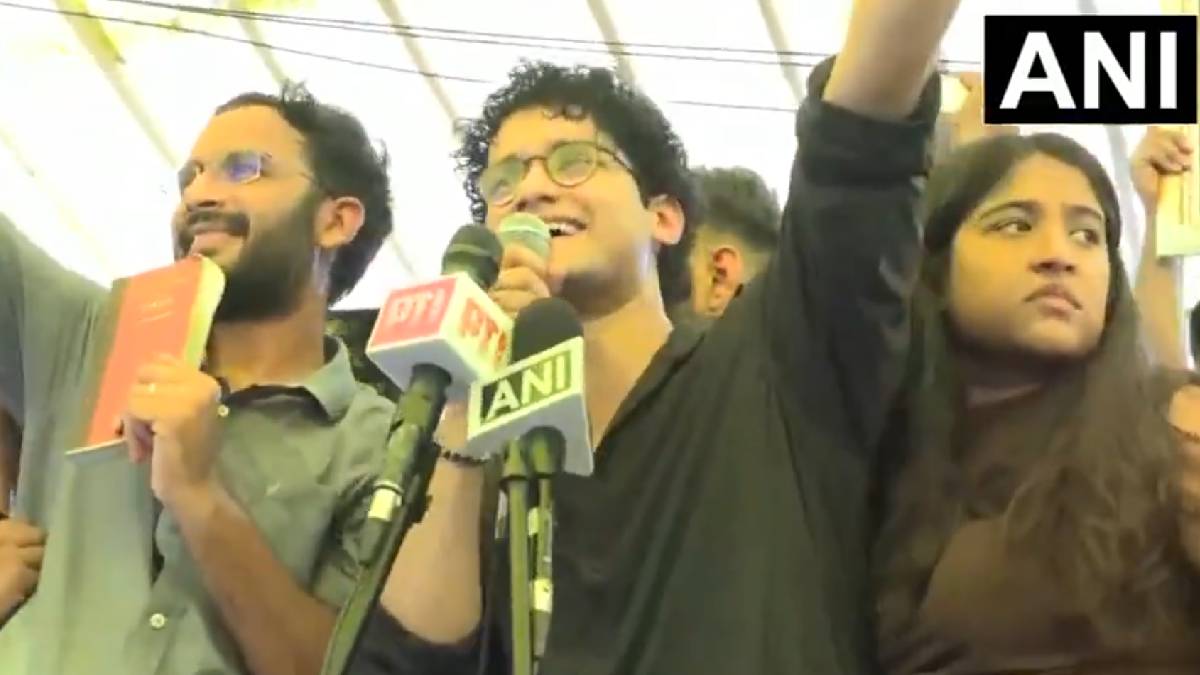
CJP chief spokesperson Saurav Das has said that the Supreme Court clarified during a hearing related to the student protests that states which wish to withdraw FIRs against protesters are free to do so and that the court’s order would not stand in the way of such action.
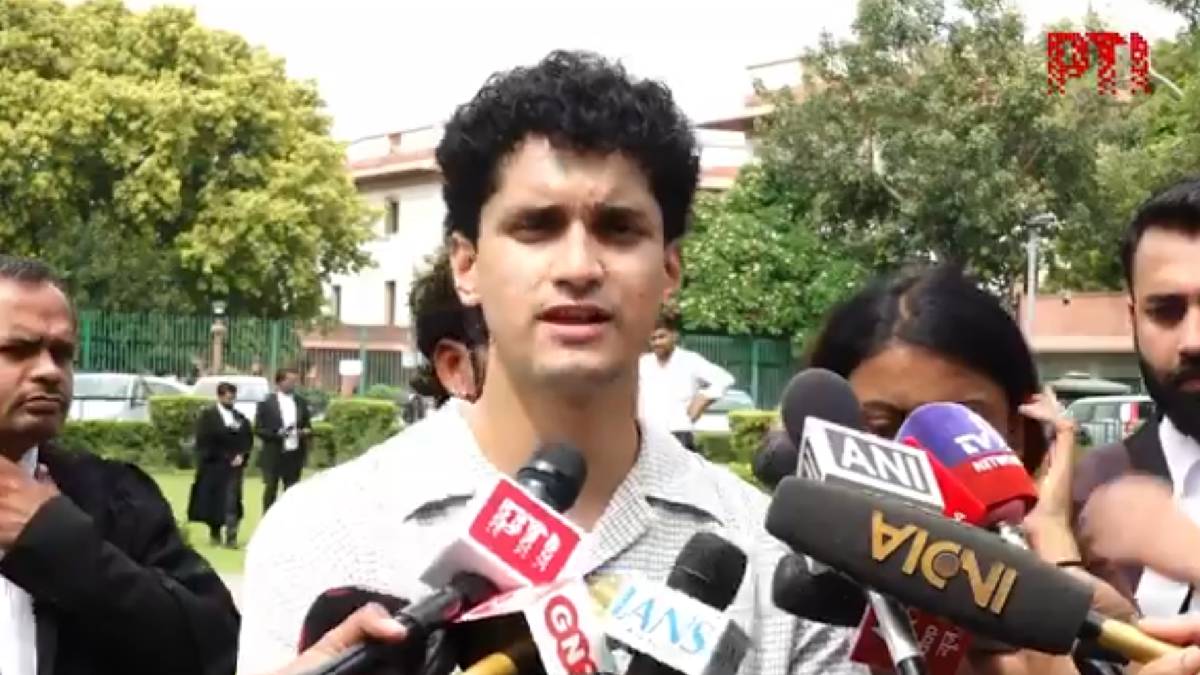
Das told The Indian Express after this hearing, and he cited the assurances that CJP says were given by the government after the student-led protest movement on July 25.
VIDEO | Delhi: On the Supreme Court hearing related to the student protests, CJP chief spokesperson Saurav Das says, "As you all know, after the historic victory of the youth on July 25, the government gave us certain guarantees under the agreement. One of them was that all… pic.twitter.com/MHWCzUwSsV
— Press Trust of India (@PTI_News) August 3, 2026
“As you all know, after the historic victory of the youth on July 25, the government gave us certain guarantees under the agreement,” Das said.
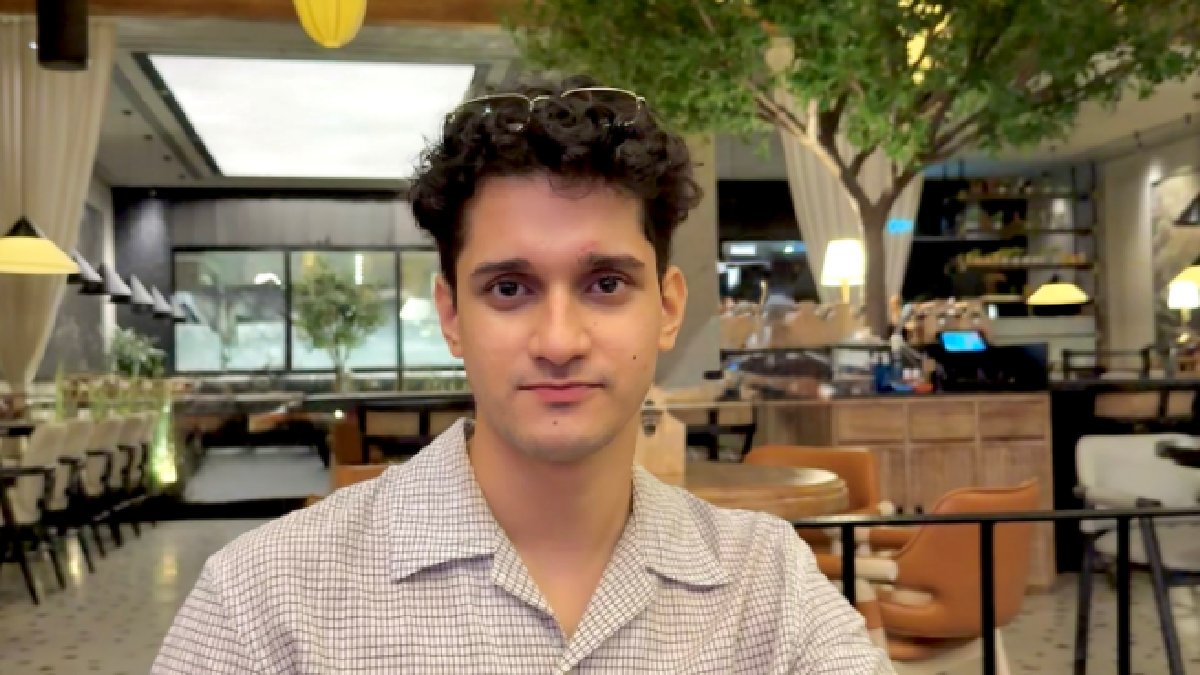
One such assurance was that all the FIRs that had been registered against student protesters would be withdrawn, the CJP spokesperson said. The group would also seek written assurance that no further action will be taken against protesters, he added.
"One of them was that all existing FIRs against student protesters would be withdrawn and that there would be a written assurance that no action would be taken against any protester in the future,” he said.
The CJP movement had gained national attention after students and young people protested over examination-related issues and demands for accountability. The demonstrations later developed into a larger youth movement and brought attention to issues related to education, employment and student rights.
The protests at Delhi’s Jantar Mantar became an important political issue, and government officials held discussions with protest representatives.
CJP leaders have said they will withdraw the movement after having been assured about their demands and action against protesters in agreement.
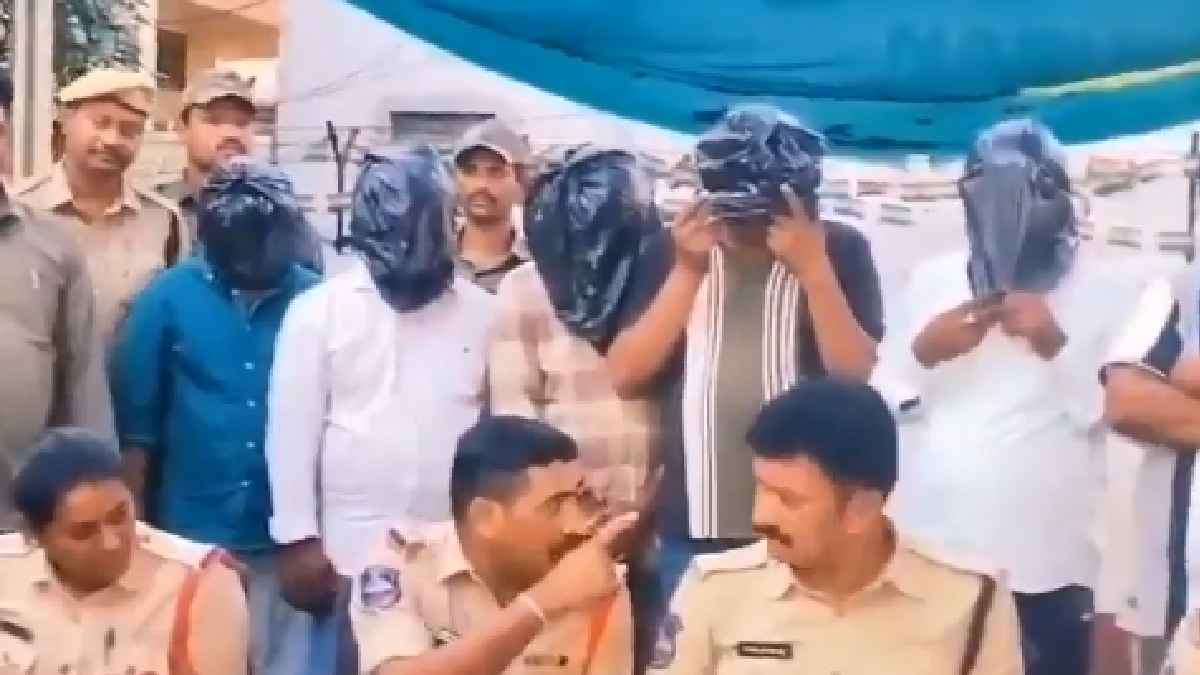
However, Das said CJP later received reports that FIRs were still being registered and some students were being detained or arrested in states governed by the BJP or parties belonging to the National Democratic Alliance.
“After that, we received several reports that FIRs were being filed and students were being detained and arrested in some BJP-ruled and NDA-ruled states,” he said.
The claims about the registration of FIRs and action against students are allegations raised by CJP and would require verification from the respective state governments and police authorities.
Das said CJP had supported students from the beginning of the movement and would continue to provide assistance to protesters facing legal or other difficulties.
CJP has stood with these students from day one, he said.
According to Das, the organisation had provided legal and medical support to protesters even before the reported agreement was reached with the government.
“Even before the agreement, we provided legal and medical assistance to the protesters, and we will continue to do so in the future,” he said.
The Supreme Court hearing focused on the withdrawal of FIRs and the legal position of states seeking to take such action.
Das said the court made it clear that states were free to withdraw FIRs if they wished to do so and that the Supreme Court’s earlier order would not hold them to account.
“Today, the Supreme Court clarified that states that wish to withdraw FIRs are free to do so and that the Supreme Court’s order won’t stand in the way,” he said.
The clarification will be of great importance to student protesters who are seeking to withdraw criminal cases registered in connection with demonstrations.
But withdrawal of an FIR or criminal case is subject to the applicable legal process. State governments and investigating agencies may need to follow established procedures, and the nature of the allegations and stage of the case could affect how such requests are handled.
The Supreme Court’s clarification, as Das points out, does not mean that all FIRs will be withdrawn. It means that states can act where they want to and without fear of the court’s order.
The development will increase pressure on state governments to investigate the cases against students for the protests.
CJP will continue to monitor reports of FIRs, detentions and arrests involving student protesters. It has promised legal and medical support to students affected and is involved in the dialogue.
The issue has also revived the question as to how student protesters should be treated and in the balance of public order and the right to peaceful protest.
Student proponents have argued that cases arising from peaceful demonstrations should be reviewed and withdrawn where appropriate. They have also called for safeguards against future action against protesters.
Governments and law-enforcement agencies, for their part, may distinguish between peaceful participation and allegations of violence, damage to public property or other offences.
The Supreme Court’s clarification is expected to be a key point in the ongoing discussion over the legal consequences faced by student protesters.
CJP was not quick to dismiss the development as a bad thing, and it says it will continue to support students who suffer legal action.
They will also seek to see that the assurance it says was given after the July 25 agreement is implemented and may continue to raise the issue with state governments and relevant authorities.