Tamil Nadu Social Justice Minister Vanniyarasu has said that Chief Minister Vijay will announce measures, including a proposed law against honour killings, after the K.N. Basha committee examining the issue asked for more time to complete its work.
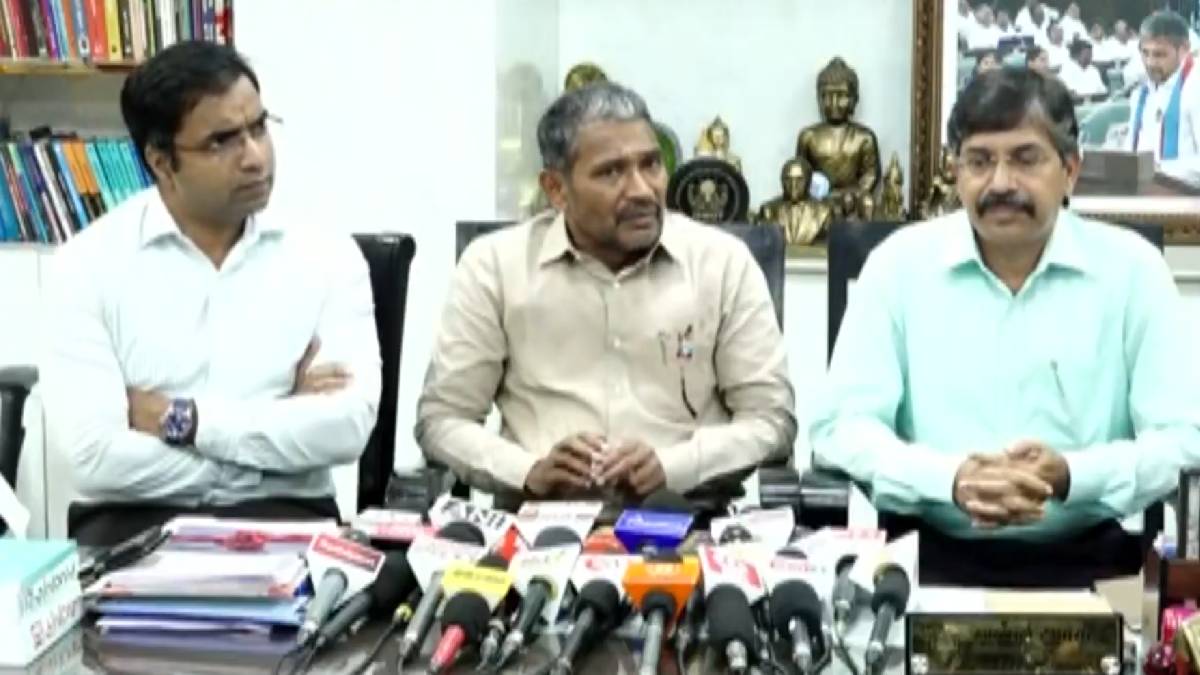
The minister’s comment comes at a time when the need for stronger legal and institutional mechanisms to prevent honour-based violence is clearly becoming a common concern. An issue of major social concern, especially with those couples whose marriages and relationships are challenged by their families or communities (Cathy and Margo 2012), is still being faced.
According to Vanniyarasu, the committee headed by K.N. Basha is investigating the matter and has asked for more time before it has the ready content to present its recommendations. The government will have to take the committee's report into account before it moves forward with laws or other measures.
The proposed legislation could be a very important step toward tackling crimes committed in the name of family or community honour. These kinds of actions can be threats, intimidation, assault and, in the worst cases, murder of individuals who choose relationships or marriages against their families’ wishes.
“CM Vijay will soon announce about forming law against honour killing as KN Basha committee studying the matter has asked for more time.”
— News Arena India (@NewsArenaIndia) August 13, 2026
- TN Social Justice Minister Vanniyarasu pic.twitter.com/NvqYePzvyK
In the minister’s words, we believe that the government is looking to see if this is a process before it is a legal framework. This committee-based review could also help to identify the gaps in existing laws that need to be closed, assess the effectiveness of enforcement mechanisms and recommend additional safeguards for vulnerable individuals.
The announcement is also important because honour-based violence is often based on complex social and family dynamics. Victims may also be subject to pressure from others, and from the larger community. Prevention of such crimes can be not only in the form of criminal prosecution after an incident, but also at an early stage and by way of protection mechanisms and better awareness.
It could be an important law to address issues such as threats against couples, intimidation by families or groups, unlawful interference in marriages and violence against relationships. The exact provisions, however, would be determined by the committee’s recommendations and the government’s final legislative proposal.
The K.N. Basha committee's request for more time suggests that the government is allowing the panel to conduct a thorough review before its recommendations are finalised. Once the report is published, the administration will need to determine what legal and administrative steps need to be taken to implement the recommendations.
The issue is especially relevant for young couples who fear retaliation after choosing partners independently. The importance of adults’ right to choose their partners has been stressed so many times by civil society organisations and women’s rights groups.
At the same time, any proposed legislation will also need to be compatible with existing criminal laws. There is legal authority to prosecute murder, assault, criminal intimidation, kidnapping and other crimes that are already made known to police. A new law could be put into place to address honour-based crimes and enhance prevention and protection.
Vanniyarasu’s statement therefore puts a spotlight on the Tamil Nadu government’s plans to tackle honour killings with a policy and legislative approach.
The next step in this regard will be the completion of the K.N. Basha committee's examination and submission of its recommendations. Then the government could decide the structure and scope of the proposed law.
The minister said that Chief Minister Vijay will announce the government’s position once the committee has finished its work. If the proposed legislation is passed, it would be a step forward towards tackling honour-based violence and strengthening protections for people who are endangered because of their choice of partner.