Karnataka has been ordered to release 3,500 cusecs of Cauvery water per day to Tamil Nadu for 15 days with the approval of the Cauvery Water Management Authority (CWMA). The move by the CWMA has once again brought the Cauvery water-sharing dispute in Karnataka back to the fore and is causing farmers, political leaders, and organisations to worry.
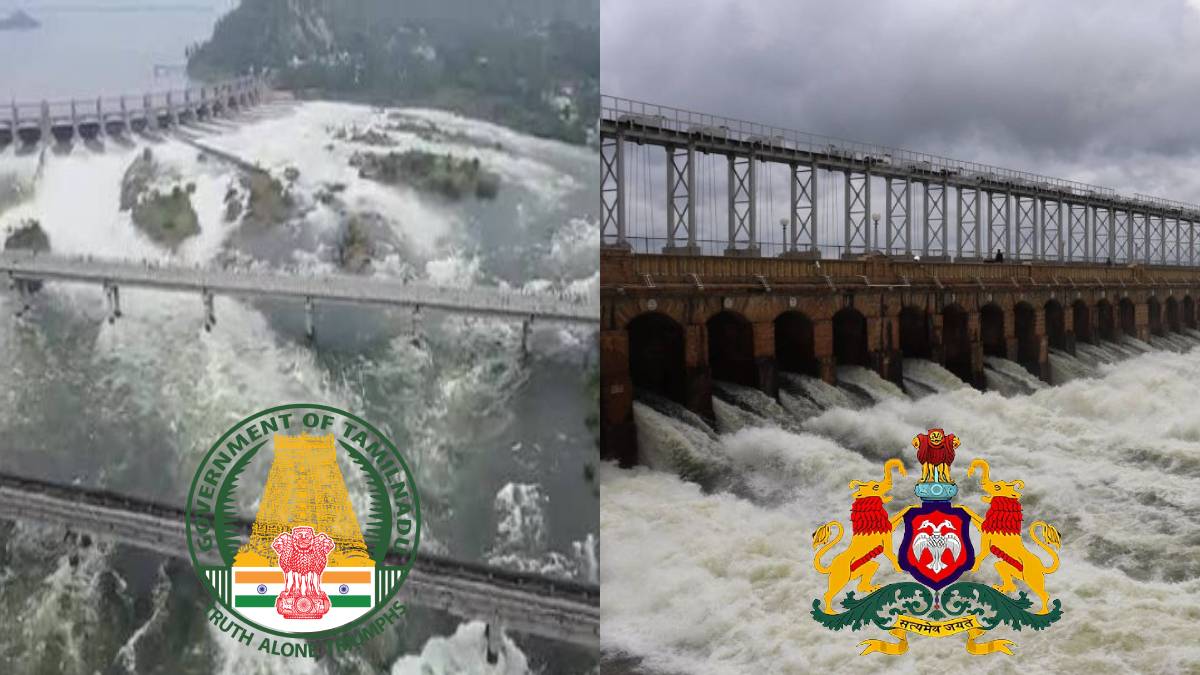
The CWMA has also followed the recommendation of the Cauvery Water Regulation Committee (CWRC), which called for Karnataka to ensure the stipulated flow of water at Biligundlu, which is a monitoring center between Karnataka and Tamil Nadu. The order is expected to result in the release of about 4 TMC of water in 15 days.
The decision came after continuing disputes between the two states on water availability, rainfall, and farmers’ needs. Karnataka is worried about the water in its reservoirs being released, water supplies, and agriculture.
Tamil Nadu had asked for a higher daily release while the CWMA approved Karnataka’s 3,500 cusecs per day policy. The authority’s decision has been viewed as a setback by political and farmers’ groups in Karnataka who claim that the state is facing water pressure and needs to focus on its own irrigation and drinking water.
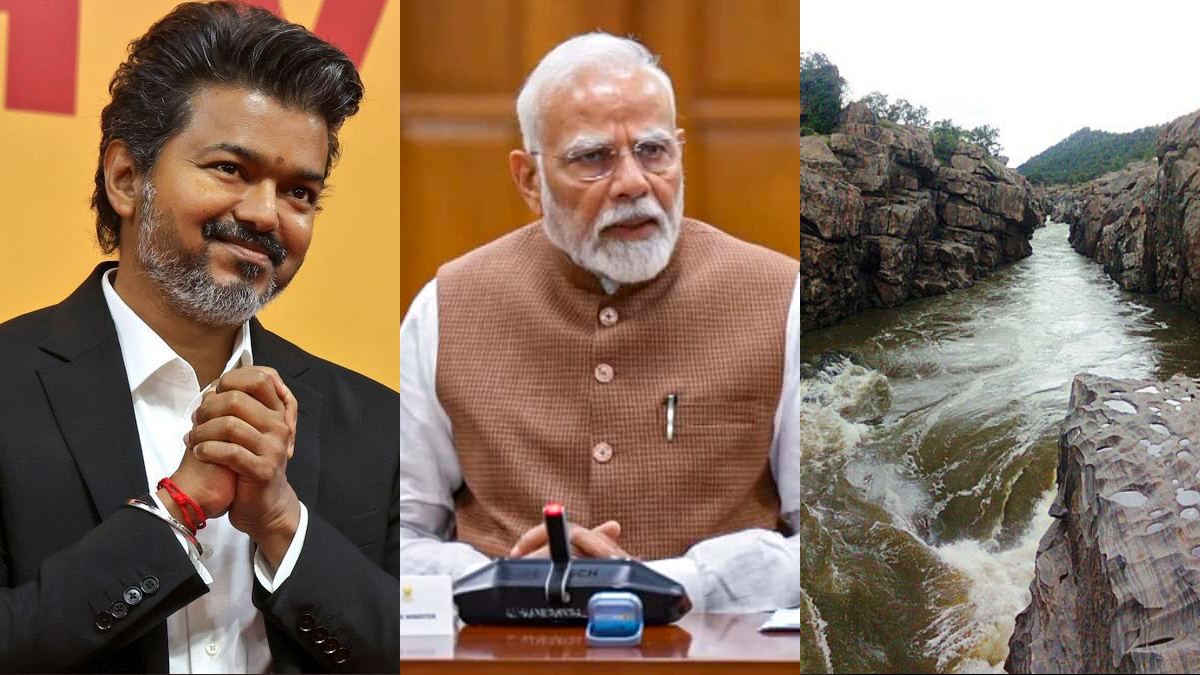
The Cauvery River is the main source of water for agriculture, drinking-water supply, and economic development in both Karnataka and Tamil Nadu. Water release decisions are often politically sensitive, especially when rainfall is low or reservoirs are under pressure.

Karnataka has argued that water-sharing decisions must take into consideration hydrological issues and farmers’ needs in the Cauvery basin. Farmers’ organisations and pro-Kannada groups are against the release order on grounds that the state may not have enough water to spare.
Some of the Cauvery basin protests have been vocal, with people concerned about the impact of water release on agriculture. Farmers have said reservoir water should be protected to meet Karnataka’s future irrigation and drinking-water needs.
The Karnataka government will review the CWMA decision and consider its legal and administrative options. The state will fight the directive and will continue to raise its water shortage concerns with the authorities, and the state has said it will appeal the decision.
The development has also intensified political activity in Karnataka. The state government has called for discussions with political parties and stakeholders to find a collective solution for the Cauvery water issue. The matter will remain a major subject of debate as leaders judge the effects of the order on Karnataka’s farmers and water resources.
The Cauvery dispute has a long history and has often been followed by legal actions, administrative interventions, and public protests. Water-sharing agreements were established by the CWMA and CWRC, and the regulation of Cauvery water was initiated.
While Tamil Nadu has been vocal about the water needs and the need for irrigation and keeping crops standing in place, Karnataka has often stressed its own water requirements and reservoir storage problems. The new order is evidence of the continuing problems of both states during periods of water stress, in which the state has to keep up with the demands of both when both states' needs are on the rise.
The implementation of the 3,500-cusec directive will also be under close consideration, as Karnataka contemplates what its next step will be. Political protests and legal action will also be likely in the coming days.