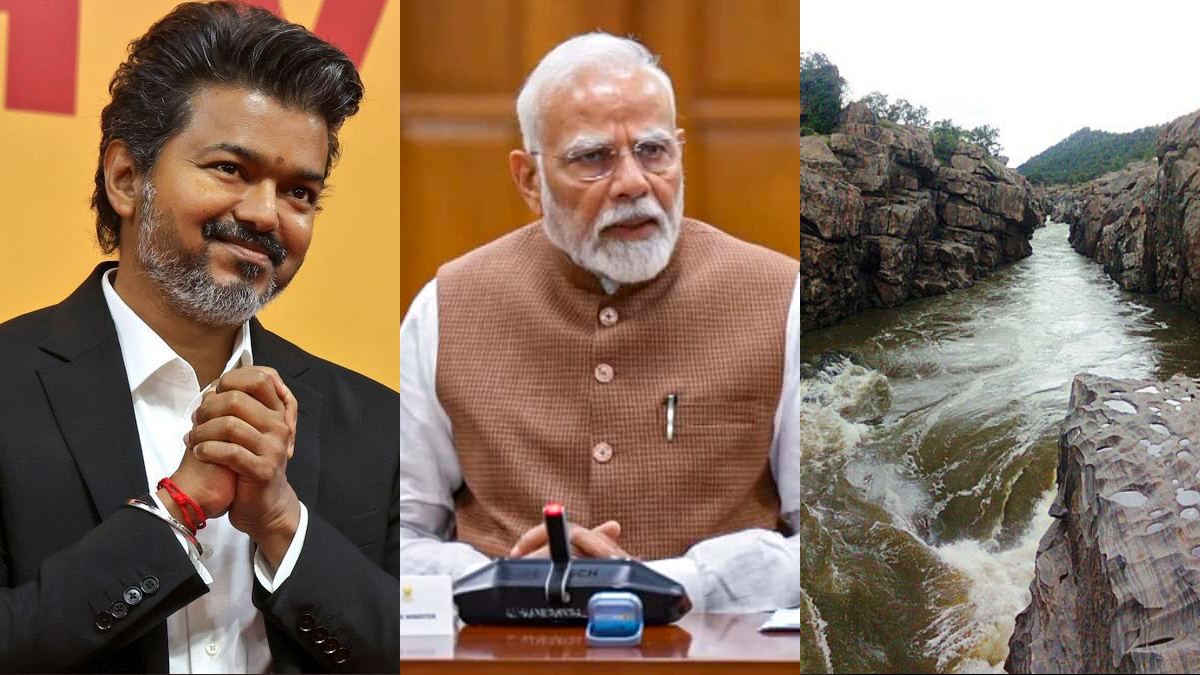
Former Karnataka Chief Minister and BJP leader B. S. Yediyurappa has suggested that Chief Minister Siddaramaiah appeal to the Supreme Court and seek to block the order by which Karnataka is supposed to release Cauvery water to Tamil Nadu.
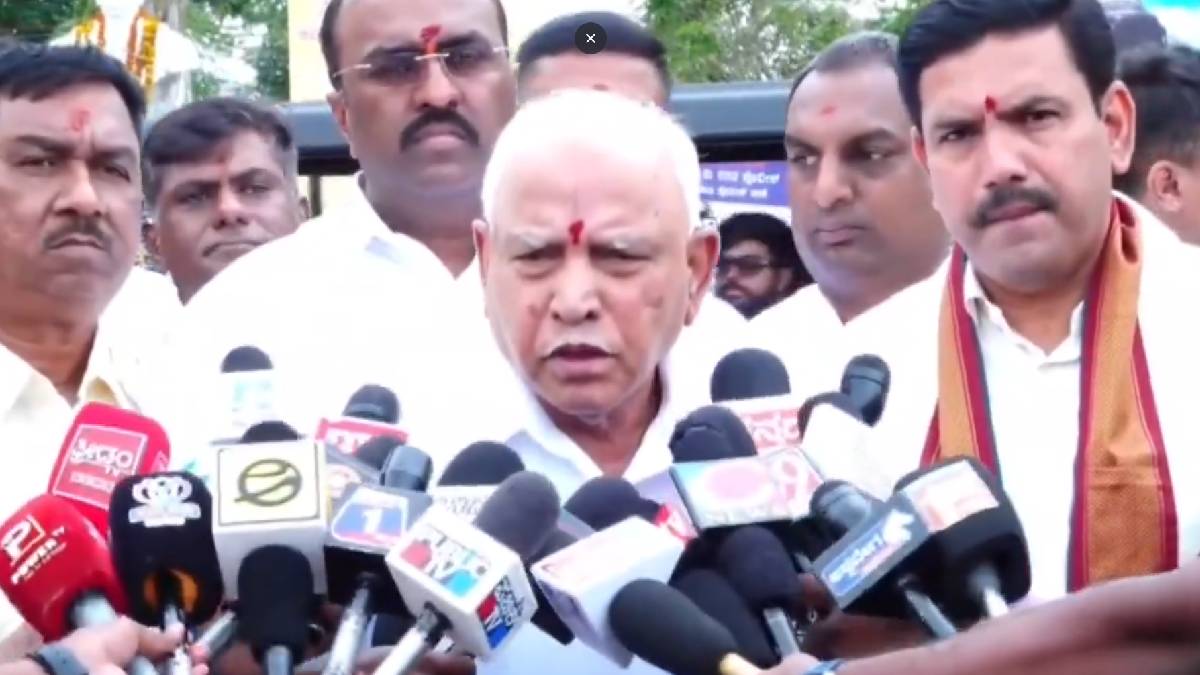
Yediyurappa’s appeal comes at a time of increased political debate and protests in Karnataka over the state’s direction to release 3,500 cusecs of Cauvery water per day to Tamil Nadu for 15 days. Farmers and political leaders in the Cauvery basin have expressed concern about water availability in the region, which is crucial for irrigation, agriculture and drinking water.
Karnataka:
— News Arena India (@NewsArenaIndia) July 31, 2026
Ex CM and senior BJP leader Yediyurappa urges CM to move Supreme Court against Cauvery water release order to Tamil Nadu. pic.twitter.com/bAYXAuCgPc
The former chief minister said the Karnataka government must take immediate legal steps to protect the interests of the state and its farmers. He urged the Chief Minister to challenge the water-release order before the Supreme Court and to articulate Karnataka’s concerns about reservoir storage, rainfall conditions and the state’s own water requirements.

Cauvery water sharing disputes are still one of the most sensitive issues in inter-state relations between Karnataka and Tamil Nadu. Water releases have always evoked political disputes that also lead to public protests, especially when rainfall is lower than expected, or reservoir levels are under pressure.
The new order has raised concerns that more releases could affect the availability of water for irrigation and drinking purposes in Karnataka. Farmers’ organisations and pro-Kannada groups have raised objections, arguing that the state must first ensure sufficient water for its own agricultural needs.
The Cauvery Water Management Authority (CWMA) backed Karnataka's decision to release 3,500 cusecs of water daily to Tamil Nadu for 15 days. The order was based on recommendations that the regulation and sharing of Cauvery water between the two states was to be done.
Tamil Nadu has maintained that the release is necessary to meet irrigation needs and to keep standing crops in the Cauvery delta. But Karnataka is worried about water supply and the impact of releases on farmers and residents in the state.
Yediyurappa’s demand for a Supreme Court challenge is expected to increase pressure on the Siddaramaiah-led Karnataka government. The BJP leader’s words are in line with the state government’s position that it should take a stronger legal stance and protect Karnataka’s interests.
The former chief minister has been a vocal voice on farmers’ and water resources of Karnataka in recent years. His appeal will be of particular interest in Cauvery-dependent districts like Mandya, Mysuru and other parts of southern Karnataka.
The issue has also led to more political activity. The BJP and the farmers’ groups have staged protests against the water release order, and the state government has convened political parties and stakeholders to discuss the next step.
The Karnataka government will consider legal and administrative options to challenge the directive. If it is to go to the Supreme Court, there will be further hearings and submissions regarding rainfall, reservoir storage, water availability and the needs of both Karnataka and Tamil Nadu.
The Cauvery dispute has been addressed through various legal and institutional mechanisms over the years. The Supreme Court, the Cauvery Water Management Authority and the Cauvery Water Regulation Committee have played an important role in monitoring and implementing the water sharing arrangements.
As the political debate becomes more heated, Yediyurappa has asked the Karnataka government to act in the meantime and seek judicial intervention. The next few days will decide whether the state formally seeks the Supreme Court's opinion against the order.
The dispute is going to remain a major political and public issue in Karnataka, and farmers, political parties and residents will be closely watching the government’s response and any future legal developments.