Commuters in the capital will also be exposed to major transportation upheaval, as auto-rickshaw and taxi drivers in Delhi have declared a three-day strike, which will run from May 21 to May 23.
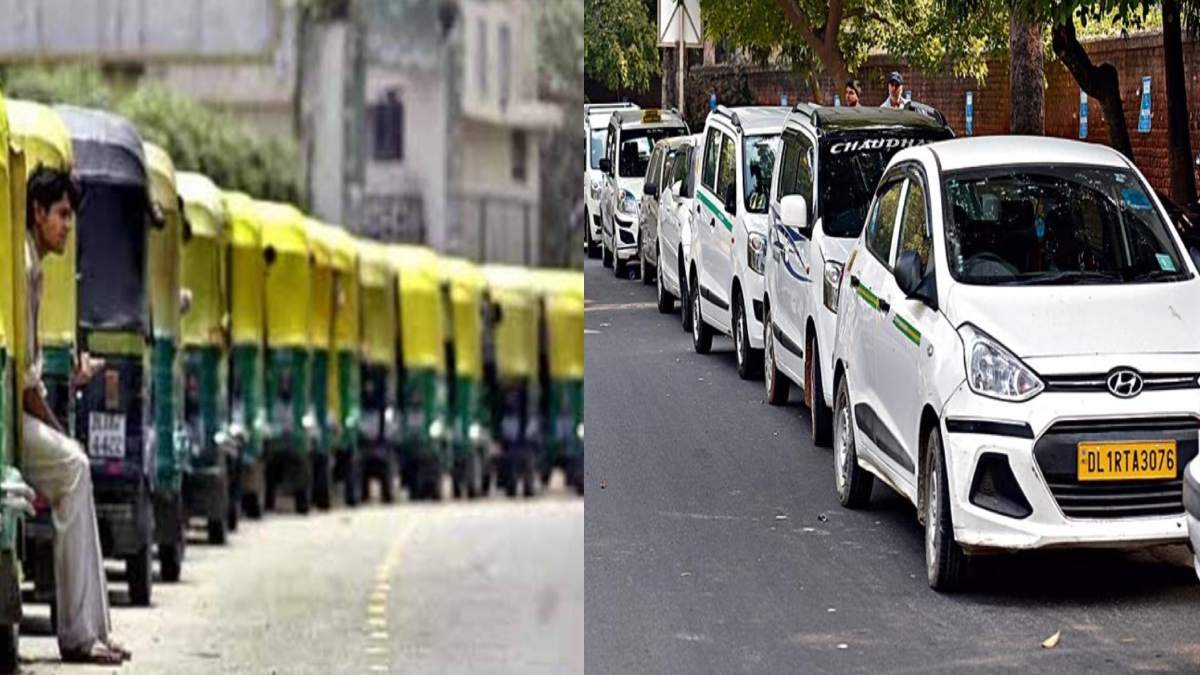
The protest was organised in response to high fuel prices and increasing operational costs that have led to demand for higher fares. The fuel price (petrol, diesel and CNG) has remained on the rise which, according to the driving unions, has crushed drivers’ earnings, and driven them out of work, according to the unions.
They allege that even though there have been repeated appeals, the authorities have not changed their fare structure to reflect climbing fuel prices or car maintenance expenses. Representatives of a number of auto and taxi unions said thousands of drivers are set to strike in Delhi and around the NCR.
The unions said that if they are not addressed, the protests could increase in the weeks ahead. The drivers are demanding a revision in minimum fares for auto-rickshaws and taxis, in particular. Union leaders contend that the existing fare regime was set when fuel prices were much lower and no longer reflect the economic realities faced by drivers.
Besides fuel costs, drivers point out that they are battling the increasing costs of vehicle servicing, insurance premiums, permit renewals, parts and daily running costs. Many drivers are reported to say they can barely make small amounts for basic household costs after long working hours. The strike threatens lakhs of everyday commuters on daily, one-hour trips to office, school, railway and airport connections.
Metro stations, commercial centres, hospitals and markets around the area may experience major supply shortages throughout the protest phase. During the strike, passengers could also be exposed to an increase in app-based cab service and public transportation during this time.
Authorities are expecting the pressure on Delhi Metro services and DTC buses, which are under pressure as commuters look for alternative means of transportation. Driver associations said they are not so much against passengers, but that drivers are demanding “fair compensation” to survive in a world of inflation and ongoing gasoline price spikes.
Several union leaders said many drivers have borrowed, and are financially stressed by the reduced daily profits. The protest announcement follows another round of higher petrol and diesel price hikes for commercial drivers in a number of locations in the country. Transport unions claim that fare reforms are essential to prevent loss of income to drivers.
Officials with the Delhi government in place are believed to be speaking to union representatives on how to prevent a shutdown of services in most cases. But until more explicit guarantees on fare increases are guaranteed, the unions have argued the strike will continue. It has been advised that this staff be planned ahead of time, and to consider alternative transport routes during the strike time.
Schools, offices and businesses are also likely to watch the situation closely, as employee and student motion might be interrupted. The protest shows the growing pressure of fuel inflation on India’s transport sector in particular, as commercial vehicle operators in many states call for state intervention and changes to their fares.