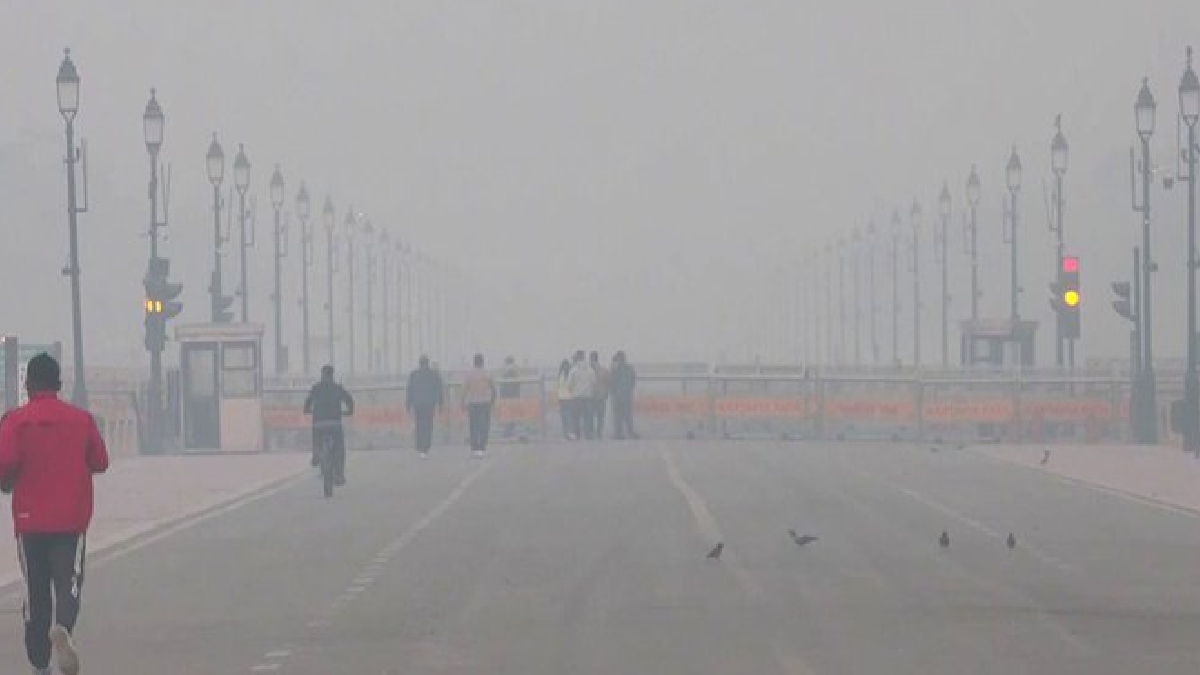
In a decisive move aimed at mitigating the alarming levels of air pollution across the National Capital Territory, the Delhi government has announced a comprehensive ban on the use of coal-based tandoors. This regulation is a direct response to the persistent poor air quality and seeks to eliminate localized sources of smoke and particulate matter.

The Impact on Delhi's Iconic Cuisine
The ban carries significant weight for Delhi's famous culinary landscape. Tandoori cuisine—ranging from classic tandoori rotis and naan to various kebabs and tikkas—occupies a central and beloved position in the city's food culture. The traditional coal-fired tandoor is a ubiquitous fixture, especially among street-side stalls and budget-friendly eateries, contributing significantly to the evening snack and dining scene.
The coal used in these traditional ovens generates hazardous smoke and emits fine particulate matter, which are major contributors to the city's poor air quality index. The government's objective is to curb these localized emissions, particularly in densely populated commercial areas.
Vendors and Food Lovers Seek Answers
While the goal of cleaner air is universally supported, the sudden enforcement has sparked debate among food enthusiasts and vendors alike. Many are questioning the actual environmental contribution of these small-scale cooking methods relative to industrial pollution and vehicular emissions.
Food lovers are worried that shifting away from coal might compromise the distinct, smoky flavour that traditional tandoors impart, a flavour deemed essential to authentic tandoori dishes. Meanwhile, vendors face the immediate challenge and financial burden of transitioning to compliant, cleaner fuel alternatives.

The Path Forward: Clean Fuel Alternatives
The Delhi government is actively encouraging vendors to adopt less polluting energy sources, primarily recommending electric or LPG (Liquefied Petroleum Gas) based tandoors. This transition aims to help businesses maintain operations and preserve the essence of tandoori cuisine, all while ensuring adherence to the new environmental protection norms necessary for public health.