In a decisive move to curb tailpipe emissions, Delhi Environment Minister Manjinder Singh Sirsa announced that vehicles without a valid Pollution Under Control Certificate (PUCC) will be strictly barred from refueling at any petrol or diesel pump in the capital.
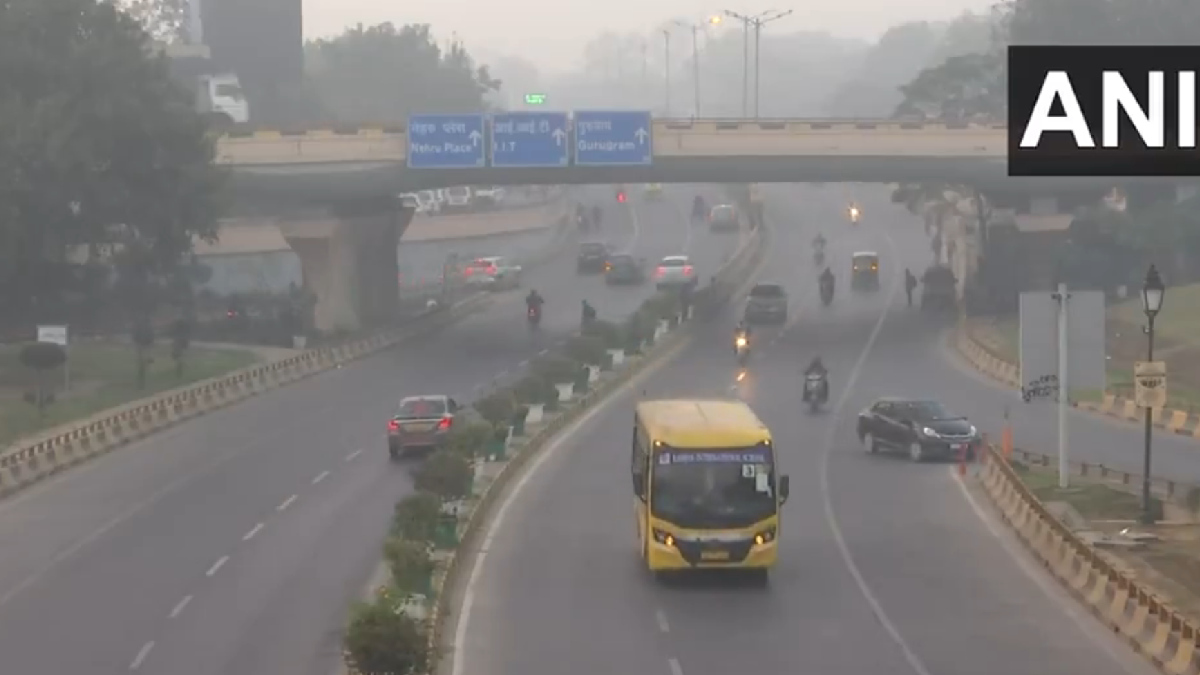
The government has given citizens a final 24-hour grace period (Wednesday, Dec 17) to update their certificates. From Thursday morning, fuel stations will be legally prohibited from dispensing fuel to non-compliant vehicles.
AI and ANPR: The New Watchguards
The enforcement of this ban is not being left to manual checks alone. The government has deployed a sophisticated network of Artificial Intelligence (AI) and Automatic Number Plate Recognition (ANPR) cameras:
- Fuel Station Scanning: AI cameras installed at the entrances of 500+ petrol pumps will scan number plates in real-time.
- Database Integration: The system is linked to the Vahan and Parivahan databases. If the scanned number shows an expired PUCC, the fuel dispenser will be electronically blocked or an alert will be sent to the station manager to deny service.
- Automated Challans: Beyond just losing access to fuel, the system will automatically generate e-challans of ₹10,000 for plying without a valid PUCC.
Ban on Non-Compliant Entry
Under the Graded Response Action Plan (GRAP-IV), additional restrictions have been placed on vehicles entering Delhi:
- The BS-VI Standard: Only private and commercial vehicles meeting BS-VI (Bharat Stage 6) emission standards are allowed to enter the city from outside (Noida, Gurgaon, Ghaziabad, etc.).
- Fuel Restrictions for Outsiders: Even compliant vehicles from outside Delhi will be denied fuel if they do not possess an updated, valid PUCC recognized by the central database.
- End-of-Life Vehicles: The ban on 10-year-old diesel and 15-year-old petrol vehicles remains absolute. ANPR cameras at all major entry points are programmed to identify these "End-of-Life" (EoL) vehicles, leading to immediate impounding and potential scrapping.
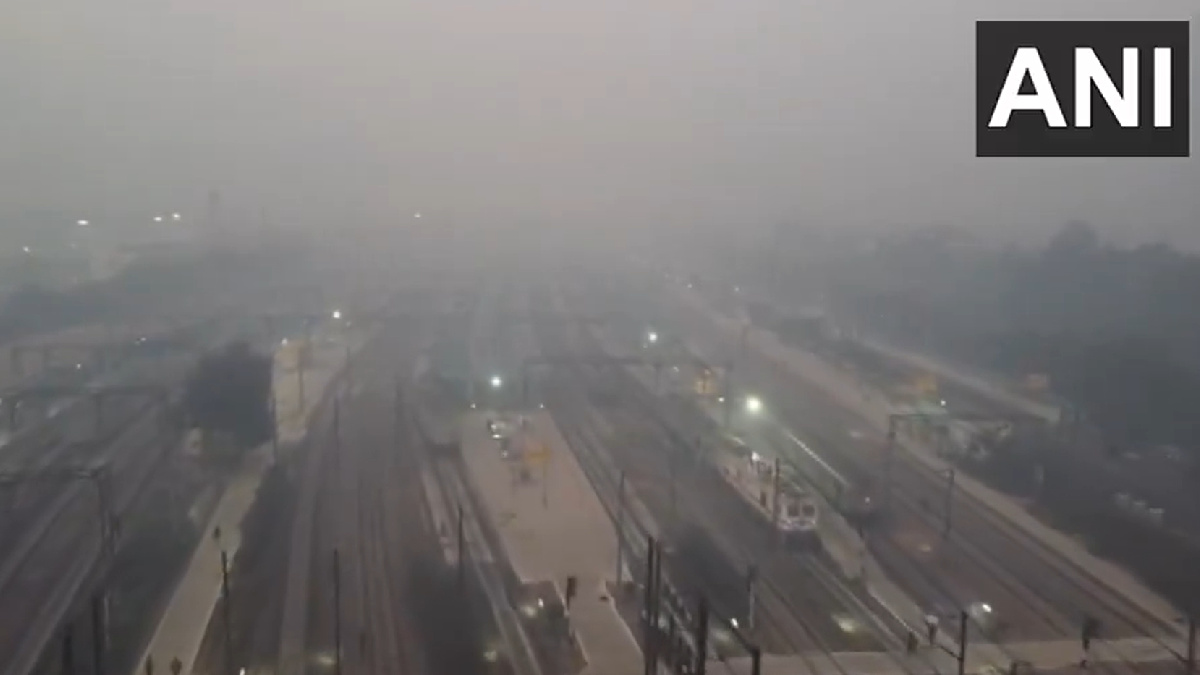
A Multimodal Fight Against Smog
Minister Sirsa emphasized that while air quality has shown slight month-on-month improvements, "emergency measures" are necessary to protect public health. Other steps include:
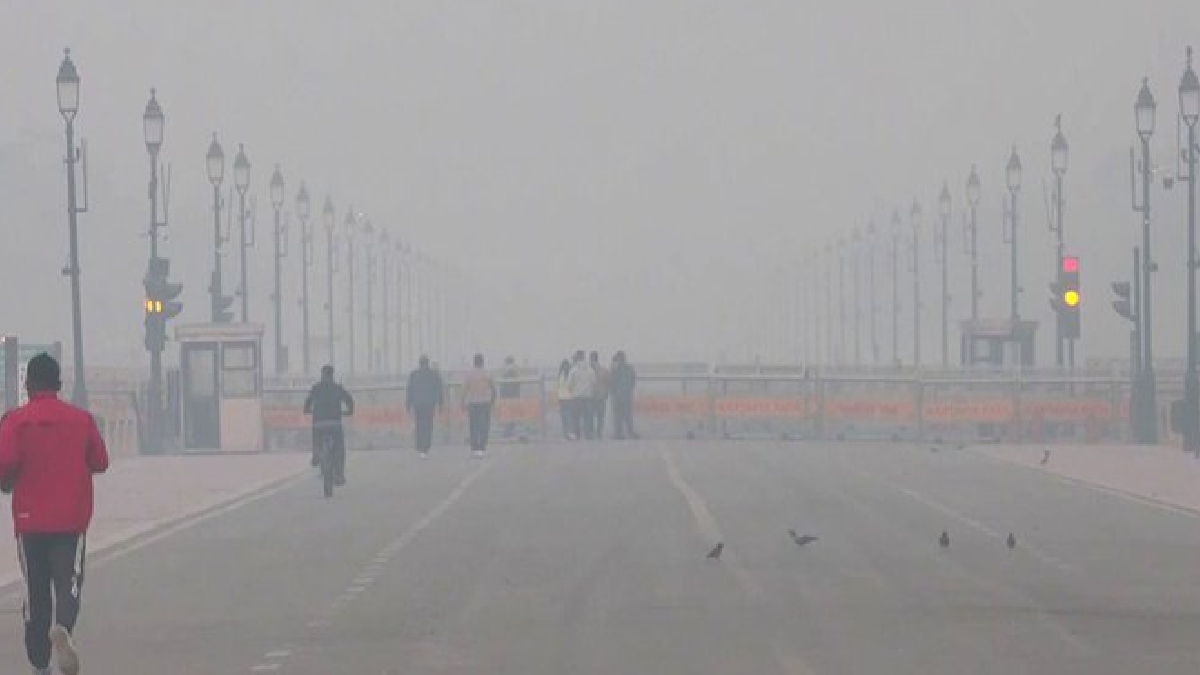
- Industrial Crackdown: Over 8,000 industries are under strict surveillance, with ₹9 crore in penalties already collected.
- Electric Transition: The city has inducted 3,427 electric buses to reduce the reliance on fossil-fuel public transport.
- Heaters for Guards: 10,000 electric heaters have been distributed to security guards to prevent the open burning of wood and biomass during cold nights.