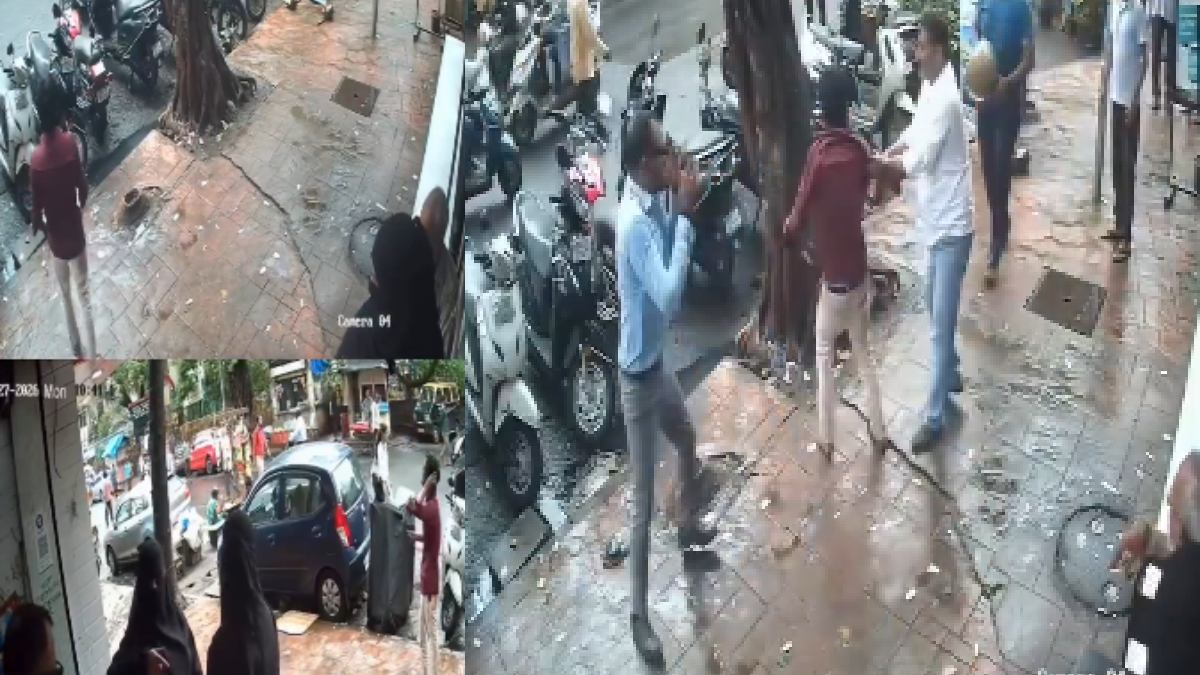
Delhi government has announced a series of new safety measures for buses after the gang-rape of a teenage girl on board a moving sleeper bus in the Greater Noida–Delhi region.
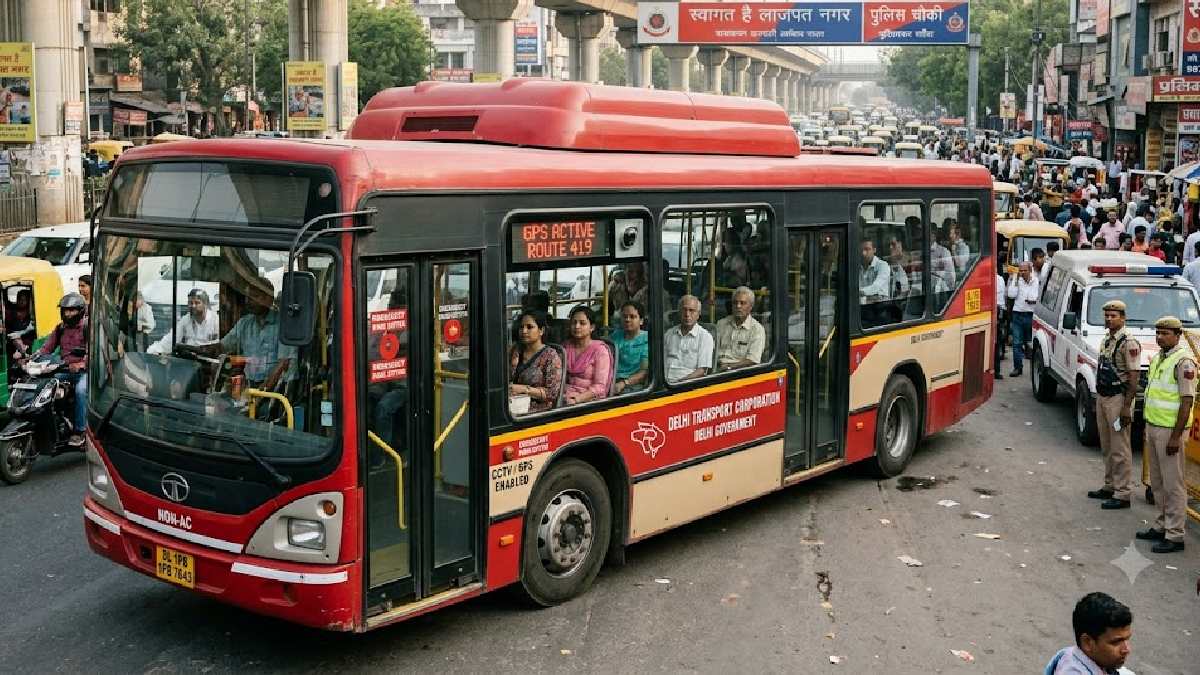
The new regulations are to enhance passenger security, enhance surveillance and train passengers to reach out to emergency assistance in a timely manner.
According to the new rules, VLTDs (Vehicle Location Tracking Devices) and panic buttons must be in place in buses. These systems will help authorities track vehicles in real time and act more quickly if passengers report an emergency.
Bus operators have also been advised to ensure basic safety equipment (fire extinguishers and first-aid kits) are on board.
Curtains and unauthorised tinted films are not only being banned but also covered by curtains and other coverings in a number of bus stops. The government has ordered bus operators to remove curtains and other coverings from inside the bus.

And sleeper bus operators are in particular concerned about how hard it is for the other passengers or authorities to see suspicious activity in a closed compartment.
The new regulations also cover where buses will be allowed to stop. The operators will have to stop at “authorised and safe stopping points.” Buses should not stop in the middle of roads, at intersections or other spaces that could create risk to passengers. Vehicles must be parked at approved, secure and illuminated places when not operating at night.
More responsibility has been given to bus drivers, conductors and other employees. Drivers must have valid licences and are required to follow uniform requirements.
Bus operators have been asked to verify the identity and background of the employees before assigning them positions. Staff will also be placed more emphasis on passenger safety, particularly in cases of harassment and crimes against women.
The government has instructed bus staff to act immediately if they witness or receive complaints of harassment, molestation, eve-teasing or other offences against women.
In such instances, staff are to alert the police and take the vehicle to the nearest police station, police post or PCR facility whenever required.
The rules also prohibit drivers and other personnel from operating buses while under the influence of alcohol or intoxicating substances. The safety measures must be followed and enforced in practice rather than being limited to official instructions.
This was after the reported assault of a teenage passenger raised questions on safety in private and sleeper buses, security systems and emergency response infrastructure.
And with the new regulations, authorities are working to make public and private bus travel safer for women and children.
But implementation will be based on frequent inspections and proper functioning safety equipment and the enforcement of the regulations against the operators that do not comply with the requirements.