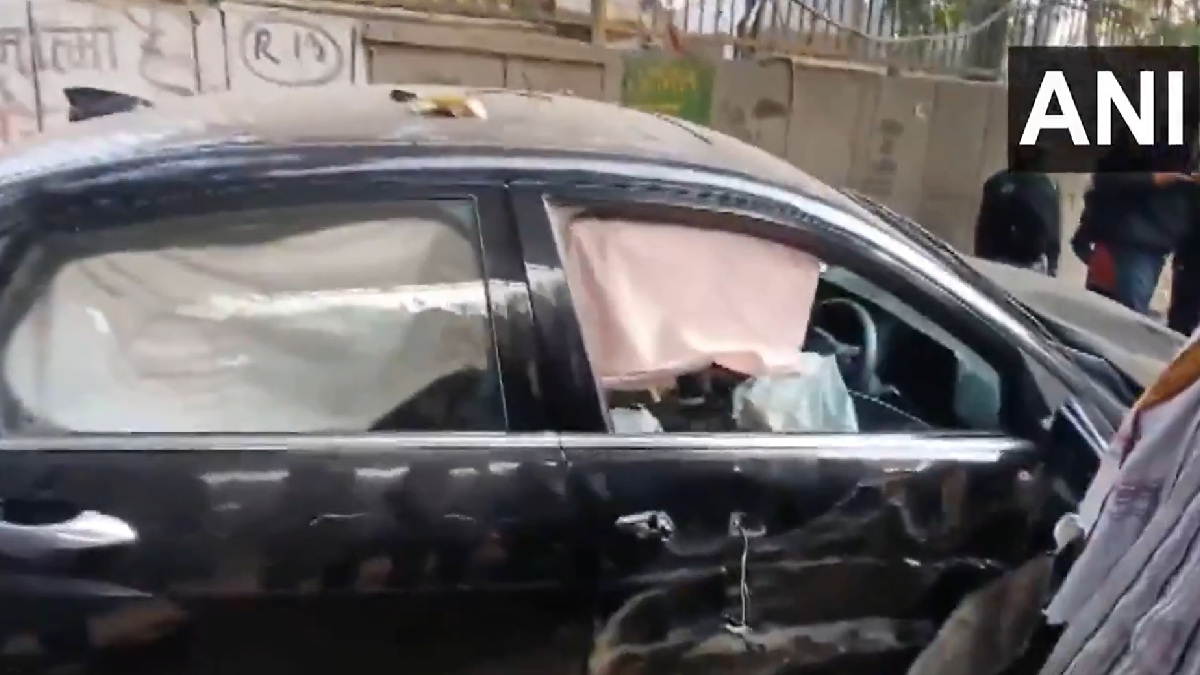
A glimpse into Delhi’s diverse lifestyle is given in this introduction. Things in Delhi are divided into many sections. Delhi people are working hard in a job sense and wear so well, contribute to the economy and give back; people in a different set face day-to-day humiliation due to broken infrastructure and heavy taxes are hurt constantly. A viral view of this routine– waking up, preparing for office, entering the metro; walking through sewage water, long hours (and pay high taxes) has raised questions regarding corruption and governance in India even further. While many of these details are exaggerated, the kind of frustration with this routine is all too real.
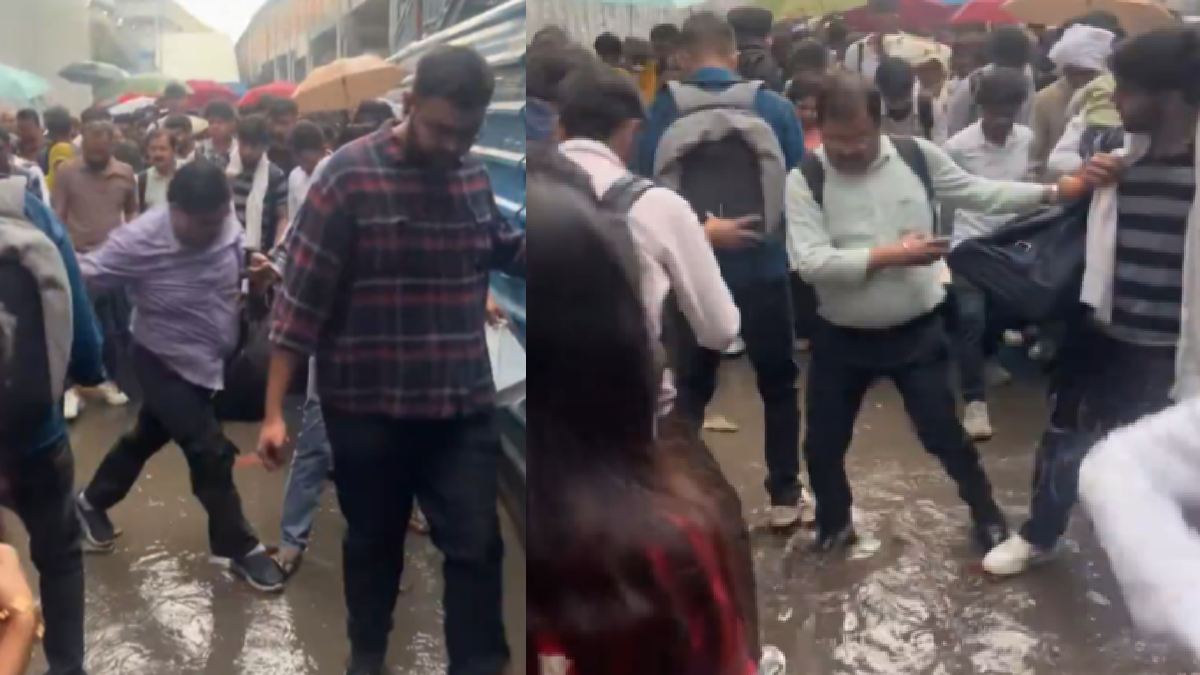
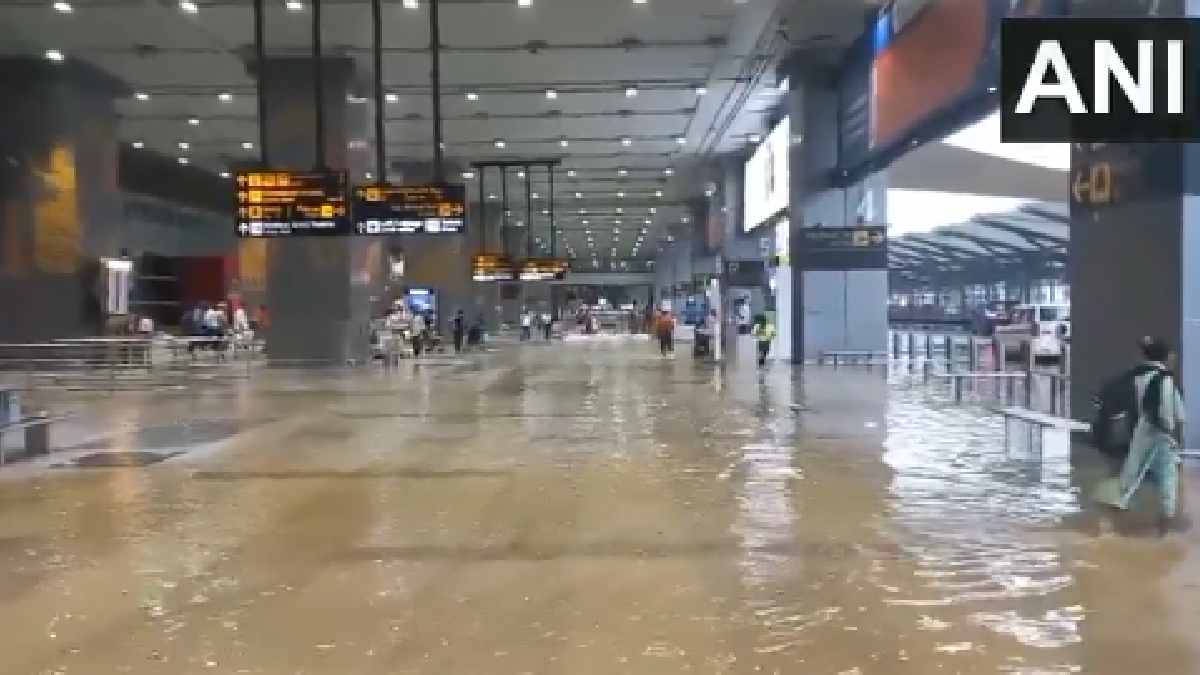
Delhi’s sewage and drainage systems have been criticized in the past. Government audits show numerous colonies lack proper sewer networks and untreated sewage makes it into their streets and rivers. It’s the wet, sticky water to which people typically walk during heavy traffic near metro trains or traffic flow as a daily humiliation. No such thing can ever happen everywhere all of a sudden, at least sometimes. Poor planning and lack of accountability have made infrastructure in the capital city hard to build simple infrastructure.
The statement that “50–60% taxes are paid” isn’t entirely true. But the highest income tax slab in India is 30%, which means there are taxes for very high earners. Indirect taxes like GST are added, but for most people (people earning at an average salary), the actual tax they pay is closer to 20–30%. The fact still remains that people pay large amounts and do not have good public services from taxation. This gulf between contribution and reward fuels anger and distrust of the entire system.
The frustration expressed in the viral post serves as the manifestation of something much bigger: corruption and negligence in governance. People say that “babus and netas” (government bureaucrats and politicians) put their personal desires ahead of their fellow citizens in ways that serve personal profits. People see it when infrastructure fails and basic human dignity is eroded; people regard that as a betrayal of trust.
The description of “daily humiliation ritual” can be a bit dramatic but it corresponds to the feelings of many Delhi residents. Sewage management, crumbling public infrastructure, as well as fear of unfair taxation as a lot of everything else brings frustration. Public service must be better than the current situation; public service needs to help them and it needs citizens’ hard work to be matched with a clean and safe environment. Delhi’s future is a matter of turning this into reform.