A nearly three-decade-long search for a wanted interstate criminal has finally ended when Delhi Police arrested the man in the capital of the country after a 29-year evasion of authorities. The arrest is a testament to law enforcement agencies’ ability to track criminals who remain absconding from police for years by changing locations and identities.
The accused had been wanted in connection with a criminal matter and he had been able to evade arrest since the original case was registered. The investigators eventually traced him to Delhi after a series of checks on old records, intelligence and location of him.
Wanted for nearly three decades
The accused had been outside the reach of police for 29 years, police said. Investigation continued into his movements throughout this time period, they said.
The long-standing cases of absconding defendants can be very challenging to police. Those who go on to evade arrest for many years can move between states, change their homes and avoid contact with authorities.
In this case, Delhi Police officers were reportedly working on intelligence inputs and background checks before identifying the suspect and confirming his location.
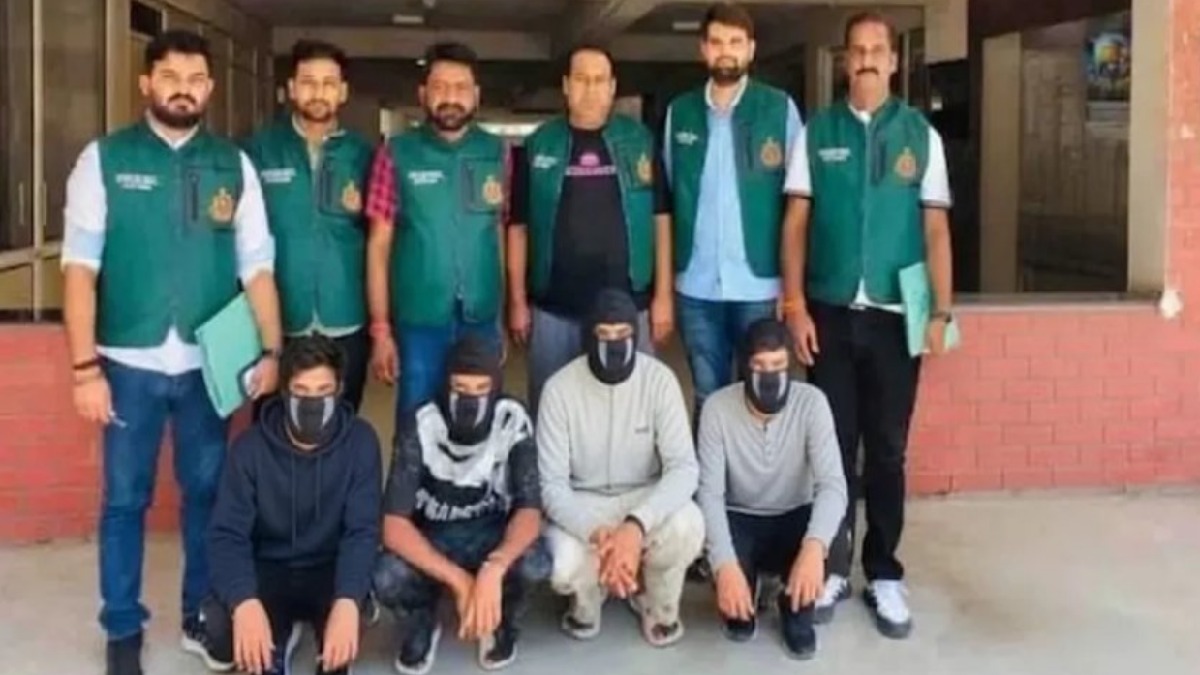
The arrest is a significant development in a case that has been unresolved for nearly three decades.
Police track down accused in Delhi
Delhi Police teams intensified efforts to locate the wanted criminal after receiving information about his presence in the capital. Officers checked and monitored and moved to arrest the accused.
The successful operation shows the necessity of keeping records and revisiting long-pending cases. As police databases advance and information sharing and investigative techniques become easier, the problem can be solved and suspects are identified even after many years for law enforcement agencies.
Police staff will now examine the accused’s activities during the period in which he was at large and look into any other criminal cases that he might have been involved in.
Interstate criminal cases pose challenges
The case also demonstrates the difficulty in dealing with criminals wanted across state lines. Interstate offenders can take advantage of jurisdictional gaps by moving from one state to another so that individual police units can’t find them.
The cooperation of police departments, identity records verification and investigation of previous case information can play a crucial role in tracking such suspects.
For Delhi Police, the arrest represents the culmination of a long investigation and a reminder that cases involving wanted offenders can remain active even after many years.
Importance of long-pending investigations
Law enforcement agencies in India regularly conduct drives to identify and apprehend proclaimed offenders and other accused persons who have remained absconding.
And these operations would also ensure that suspects would not just give up the legal process after several years have passed. The arrest of the wanted criminal after 29 years is just one example of how old cases can be pursued with renewed investigative efforts.
Investigators are also expected to investigate how the accused was not arrested for so long and why he was not arrested in the first place.
A significant breakthrough
The arrest is a major breakthrough in a case that had gone on for nearly three decades. It also sends a message that the passage of time does not necessarily end efforts to locate wanted offenders.
Now that the accused is in police custody, the investigators can get on with the work of the legal process and gather more information related to the original case.
The discovery is likely to be of interest because of the extraordinary 29-year period during which the accused is believed to have been beyond the reach of authorities.
Delhi Police’s success in bringing the long-running chase to an end is a major accomplishment and a recognition that we need to keep track of wanted criminals and continue investigating them.