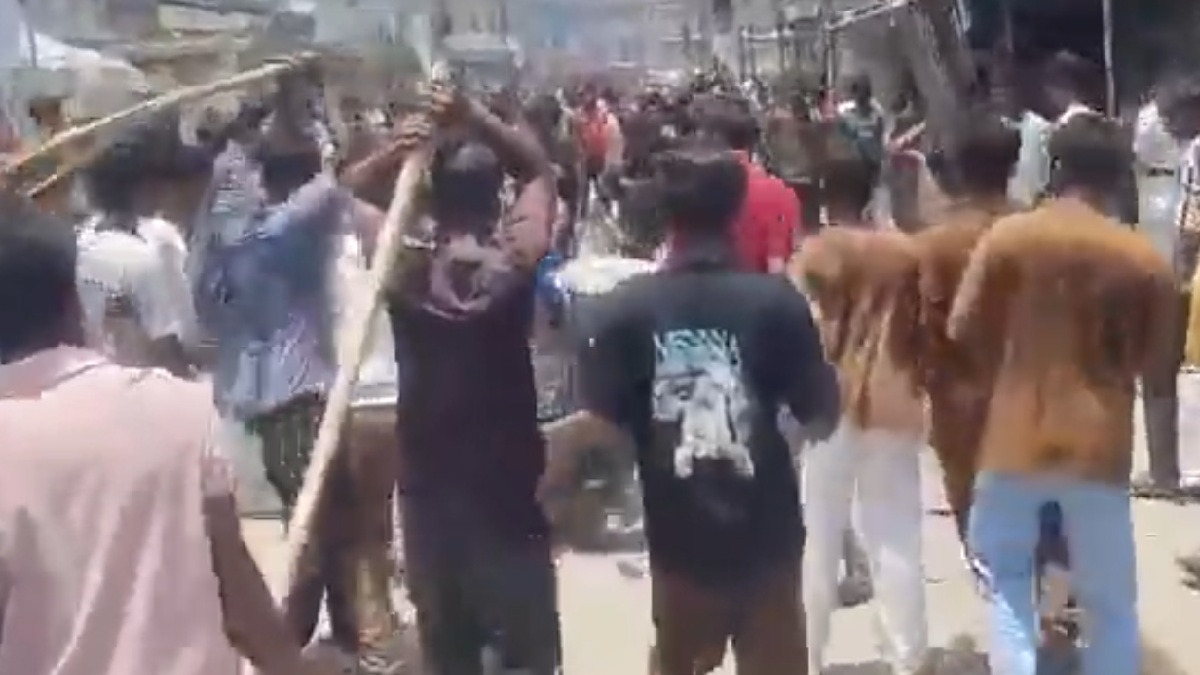
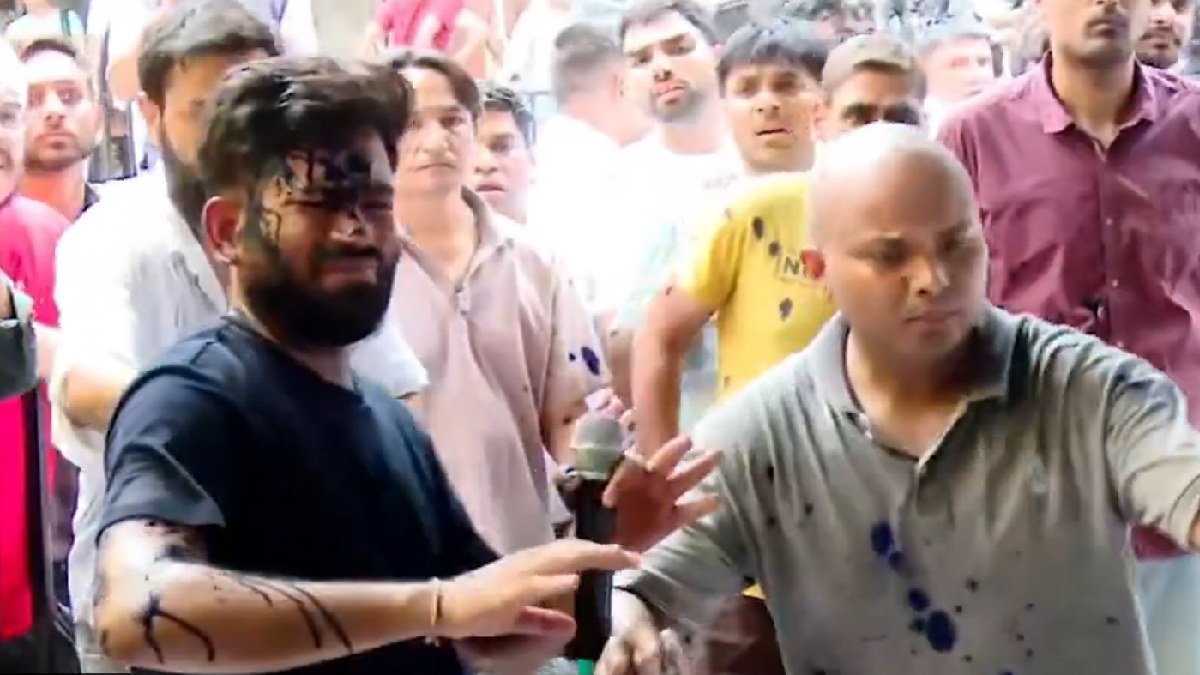
A massive tracking and intelligence and technology-driven surveillance program by the Delhi Police has revealed that nearly 2,900 individuals with an active criminal record were able to infiltrate the recent student-led demonstration at Jantar Mantar. The big group of demonstrators that staged the protest, organized by the Cockroach Janta Party (CJP) during its violent Parliament March, has been in the news because security agencies have found a dangerous convergence of repeat offenders and organized criminal networks in a civilian gathering.

Based on the results of the investigation, law enforcement agencies implemented a multi-level technological verification system that combined advanced Facial Recognition System (FRS) through mobile command vans and database cross-referencing through Crime-Kundli records and local dossier verification. The selection process produced 2,402 matches from the Crime-Kundli database and another 471 matches from criminal dossier checks, bringing the total number of identified people with verified criminal history to 2,873. The suspects were distributed across the capital and arrived at the protest site from various administrative police districts including outer, northern, eastern, and railway districts.
Most troubling to security planners is that the crimes of a large proportion of the identified individuals are particularly serious. 989 people in the 2,873 people detected were found to have grave, heinous crimes, which includes 101 individuals facing active murder charges and 62 facing attempted murder charges—a number that security experts say dramatically increases the risk of violent escalation during chaotic crowd surges. At the same time, databases showed 284 individuals being booked for dacoity and robbery, and 135 suspects involved in street-level snatching.
Investigating officials were very concerned about the detection of individuals who were suspects of crimes against women and children. 92 such offenders were found in the crowd, 61 of whom were charged with rape, 25 with molestation, and six booked under the stringent POCSO Act. 229 participants had previous bookings under the Arms Act, and 67 were in the NDPS Act’s narcotics tracking databases, indicating possible weapon and contraband circulation around the demonstration.
There are also high numbers of habitual, repeat offenders in the ranks. Police data indicated that 42 of the murder suspects had multiple criminal files on their records, while 12 even had 10 or more separate cases on their records. Similarly, 155 robbery and dacoity suspects were identified as repeat offenders, including 31 with records featuring ten or more previous FIRs. Such hardened anti-social elements frequently use large-scale public demonstrations as operational cover, so preemptive policing and crowd control are all the harder, officials said.
The Delhi Police, in the end, see these findings as an indication that democratic student movements can be exploited by those who wish to subvert public order. Security analysts warn that the mixture of hardened violent offenders, illegal arms holders, and narcotics networks creates a volatile environment that can turn minor flare-ups into widespread civil disorder or safety risks for genuine participants.