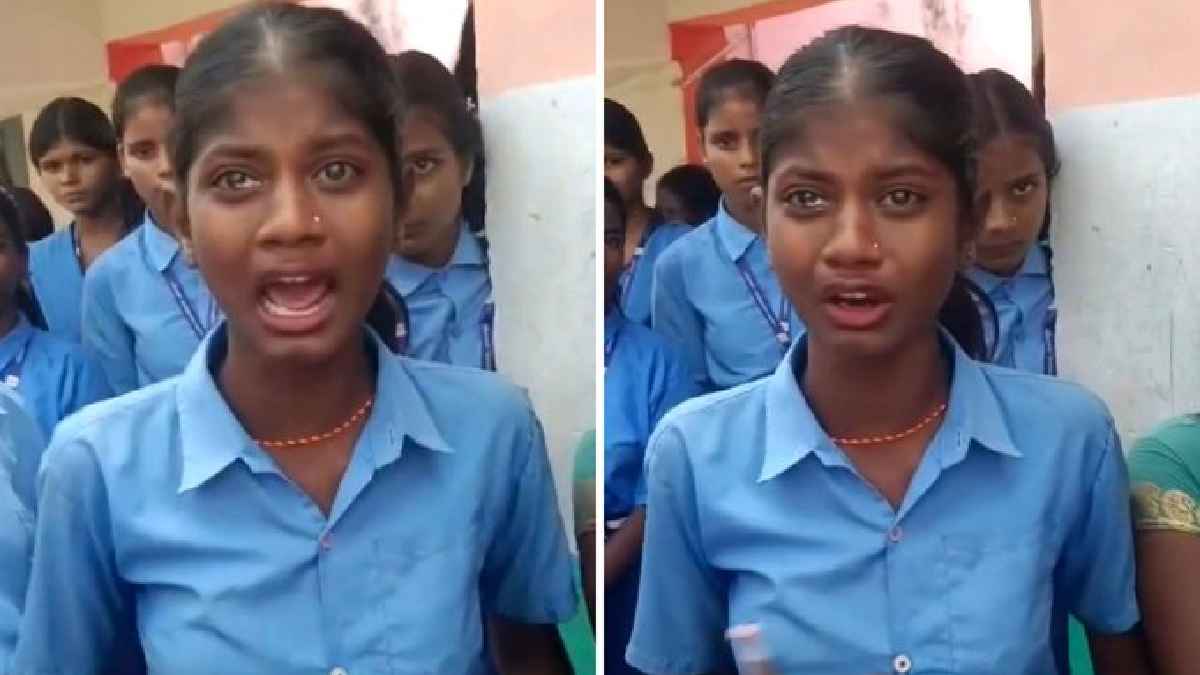
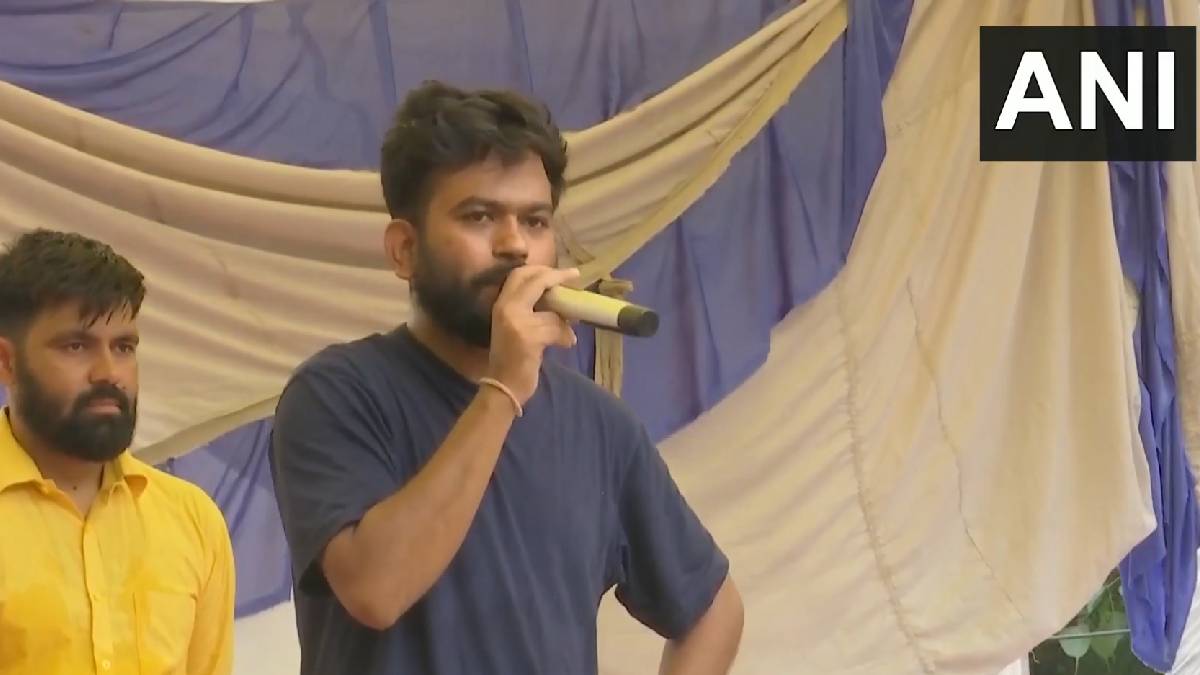
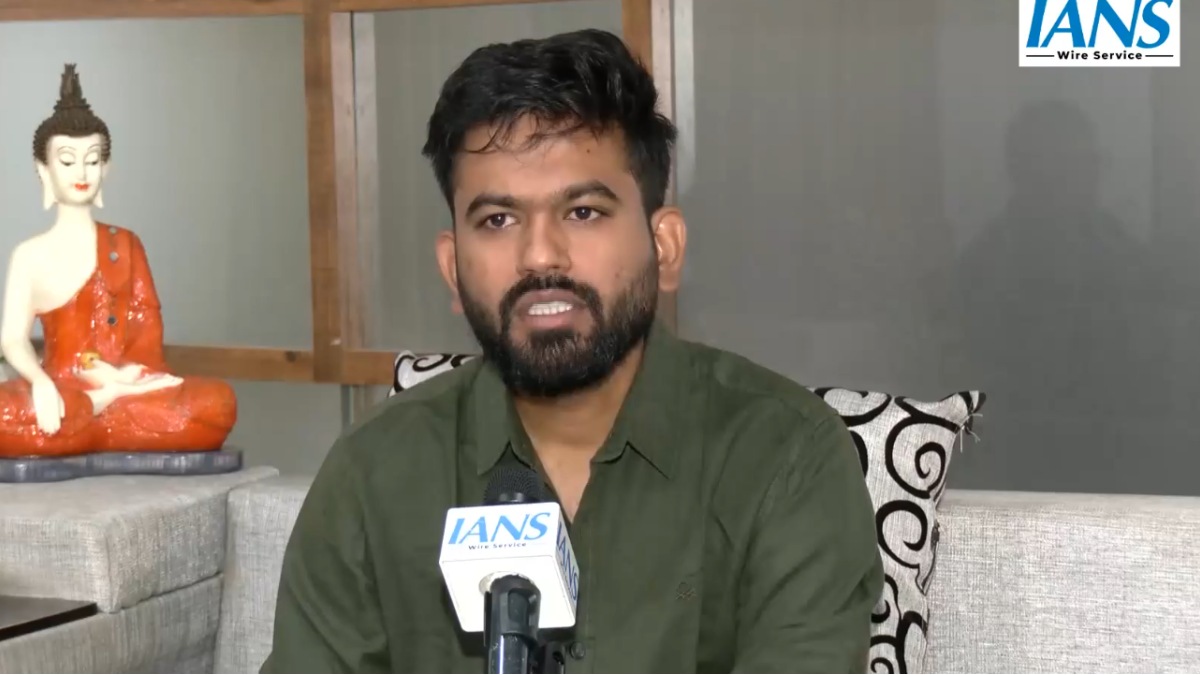
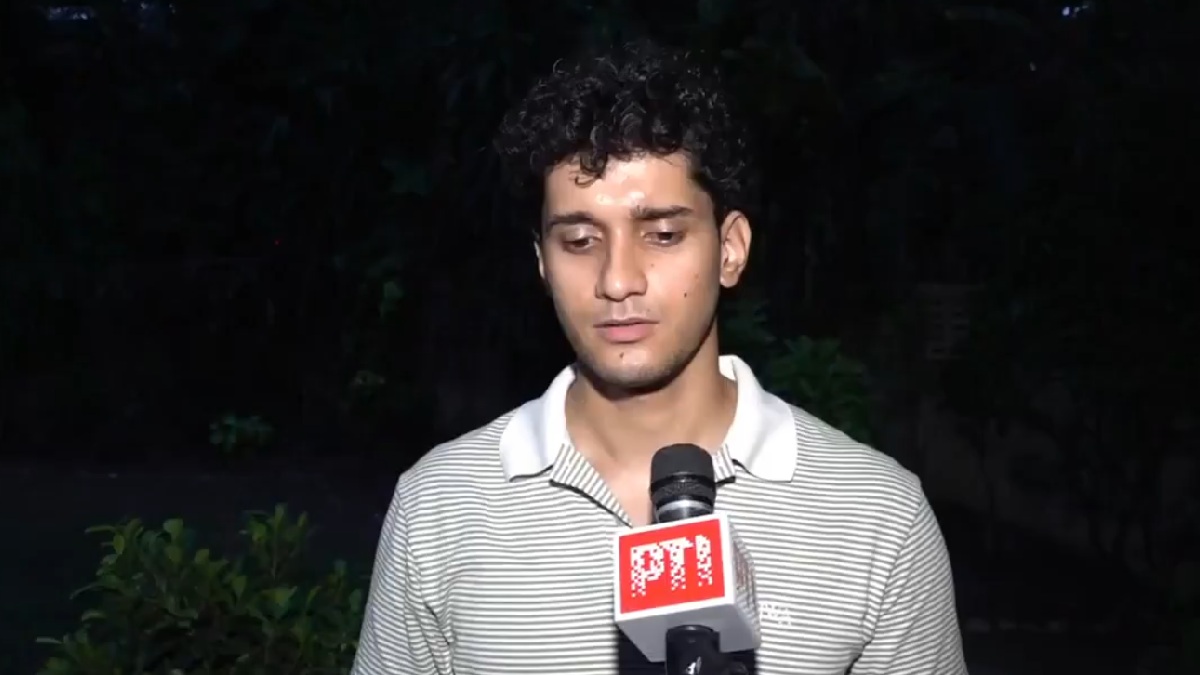
Cockroach Janta Party has definitively ruled out future plans to become a political party. Founder Abhijeet Dipke said on Wednesday that the organization will remain a pressure group and not go to the electoral field at all. Dipke told supporters and party members in Chhatrapati Sambhajinagar, Maharashtra that the collective is a very special thing, and the country needs a pressure group to express youth issues now. It will put to rest all the speculation in the media and in the public on whether the youth-based movement will go to the electoral arena with its massive national campaign.
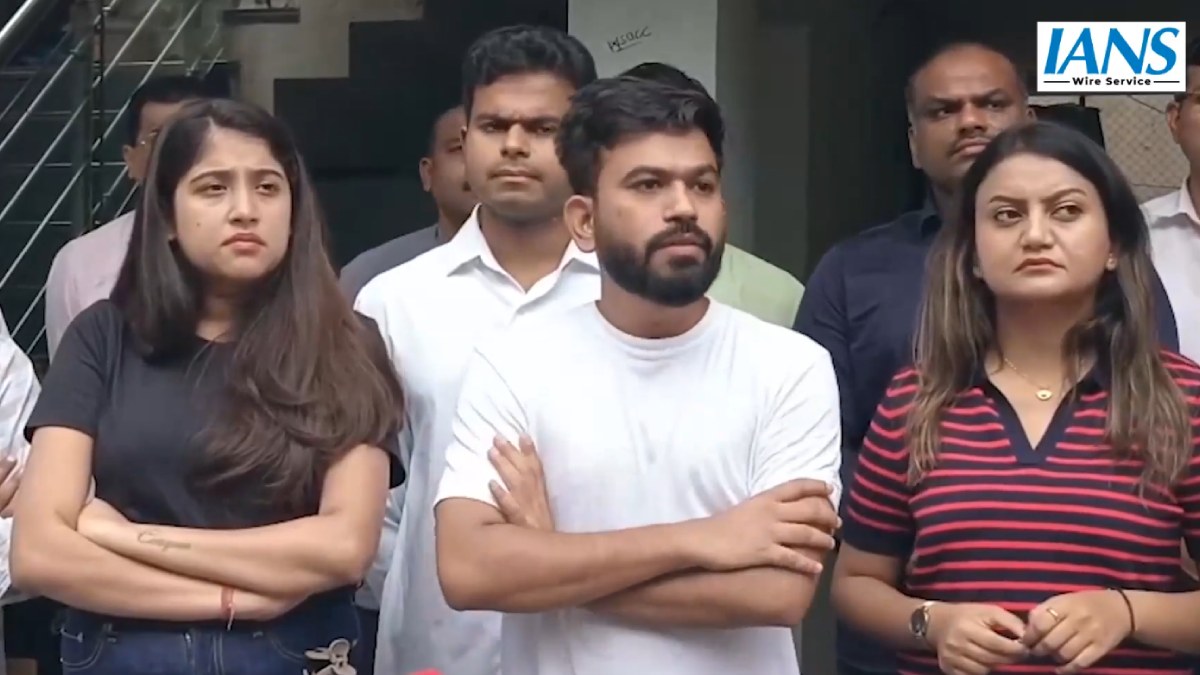
The recent rise of the organization to national prominence is closely tied to the anti-paper leak protests which have galvanized thousands of students and young people of different parts of the country. These public demonstrations, in particular the one in July demanding accountability for those frequent examination paper leaks, put a lot of pressure on the administration and drew media attention. Dipke’s clarification of policy also followed a very important closed-door meeting of the core leadership of CJP in Chhatrapati Sambhajinagar, where senior members were able to discuss the future strategy of the organization. While early reports prior to the strategic meeting had hinted at a potential political orientation and much debate took place among political analysts, leadership decided to stick with the core of its identity as an autonomous social catalyst.
According to recent comments from the CJP leadership team, the immediate focus will be on active engagement and direct consultation with Gen Z supporters across the country before the long-term direction is established. It started as a grassroots online youth movement, but has become one of the most visible and disruptive civic protest platforms in recent years. By highlighting critical socio-economic issues (e.g. job prospects and system of competition in competitive exams) as its main focus, the platform resonated with students in most states. And the high-profile protests in the capital did so much to exacerbate student frustration and put a big pressure on the government to make the necessary reforms for education and for youth welfare.