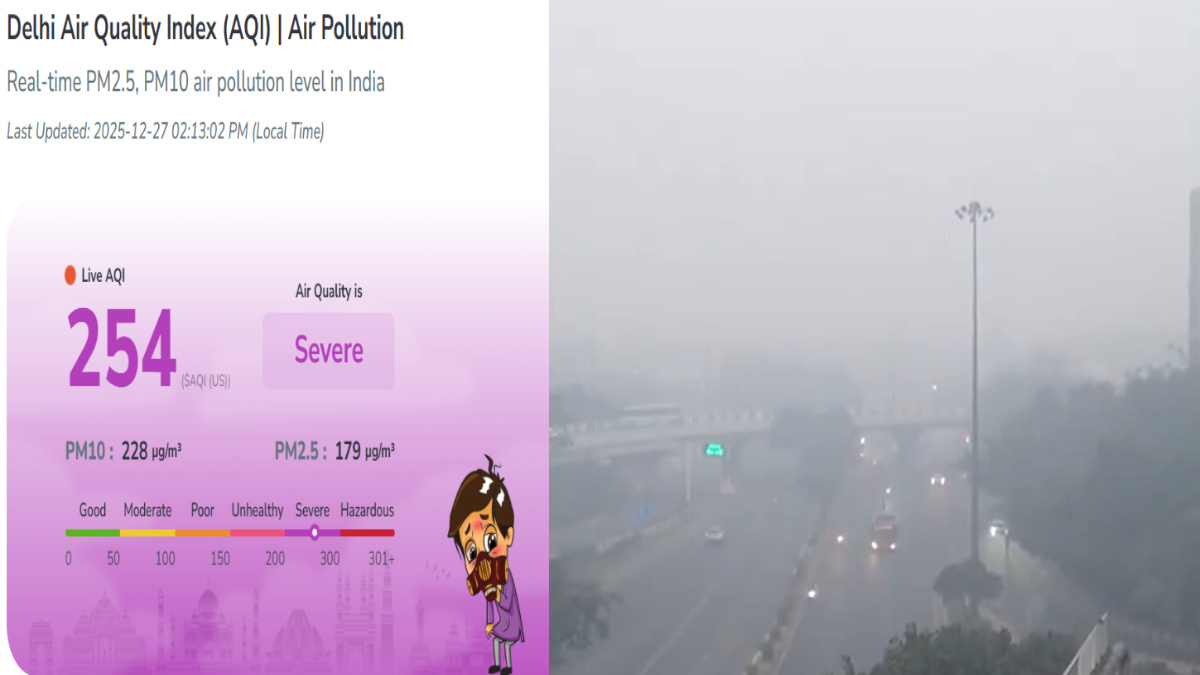
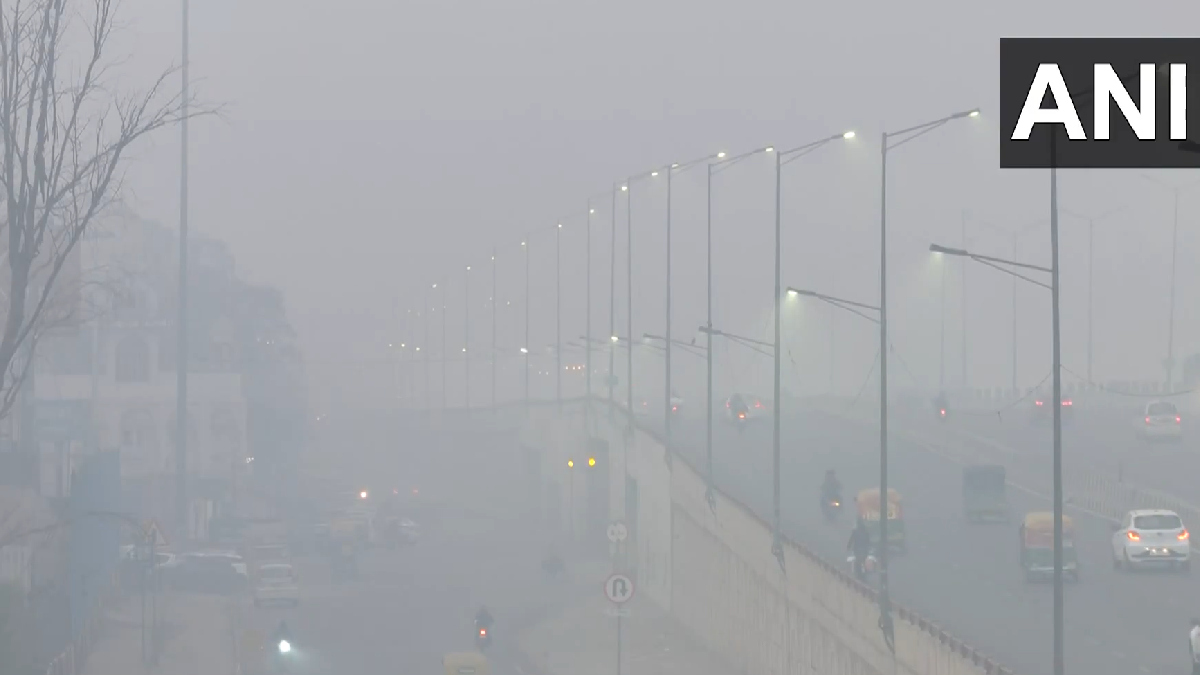
Delhi residents woke up to a gray morning as the average Air Quality Index (AQI) settled at 366 around 7:00 AM, according to Central Pollution Control Board (CPCB) data. While this was a marginal improvement from Sunday's 377, the city remains under the grip of hazardous smog.
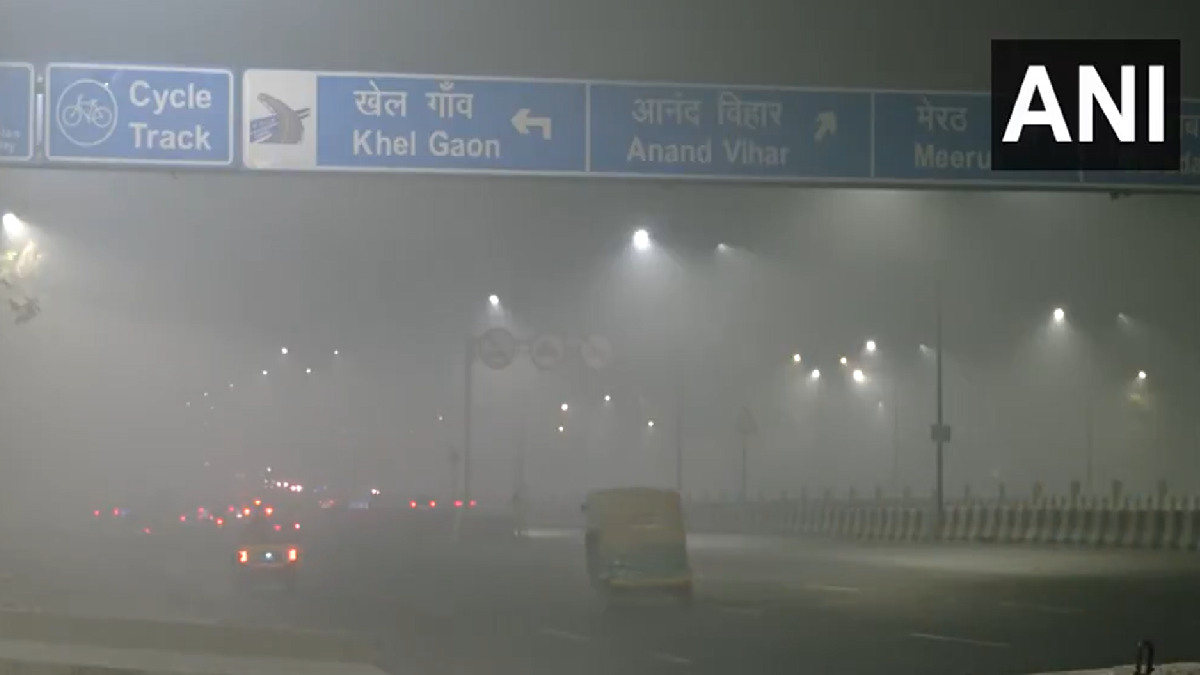
Hotspots and Pollution Levels
While the overall city average is 'very poor', seven monitoring stations reported 'severe' levels (AQI above 400), where health risks are highest:
-
Narela: 418 (Worst hit)
-
Anand Vihar / Bawana: 408
-
Wazirpur / Rohini: 404
-
ITO: 370 ('Very Poor')

Even the city’s cleanest area today, Dilshad Garden, recorded an AQI of 301, which still falls within the 'very poor' bracket.
Travel Chaos: Flights and Trains Hit
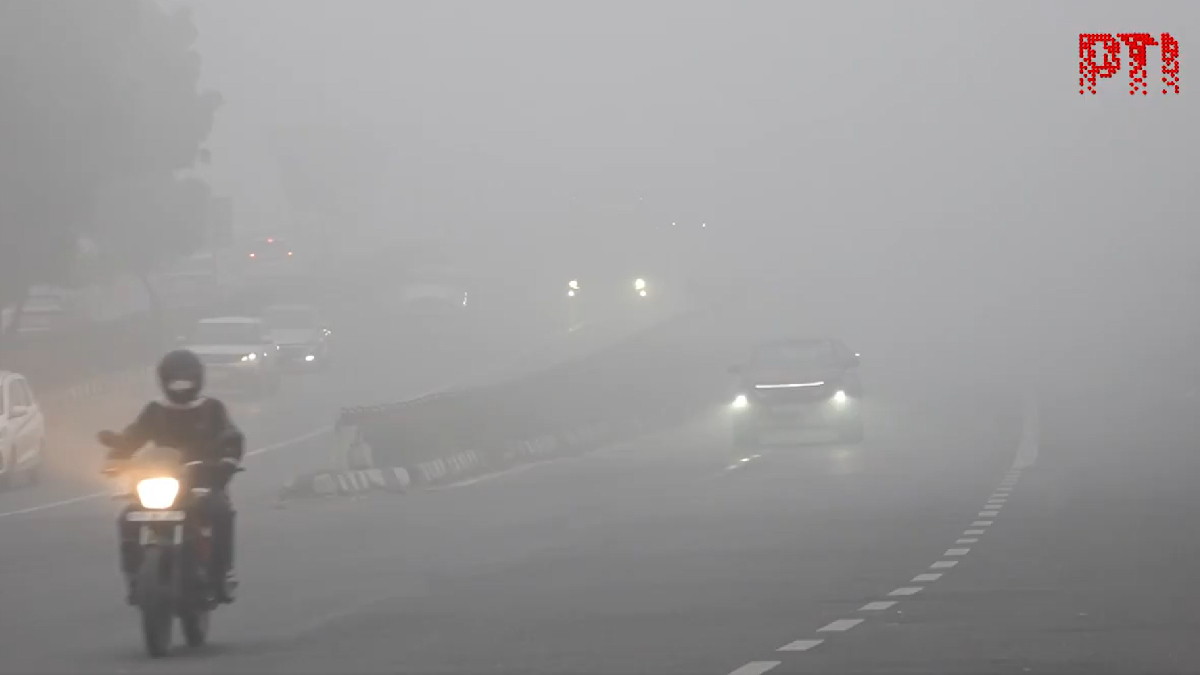
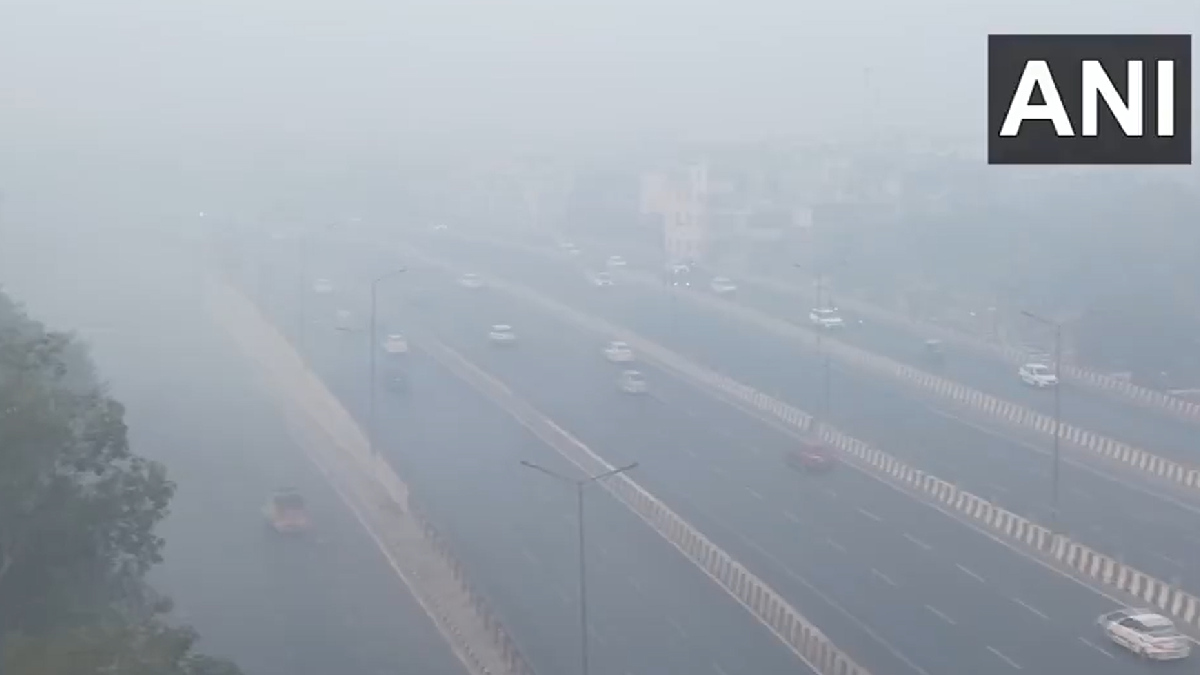
The combination of high pollution and moisture created a dense fog that brought visibility at Palam down to just 150 meters. This severely impacted the Indira Gandhi International (IGI) Airport:
-
Flight Delays: Over 150 flights were delayed on Monday morning.
-
Cancellations: At least 10 flights were cancelled early Monday, following more than 100 cancellations on Sunday.
-
Rail Services: At least 30 trains arriving in or departing from Delhi were delayed or rescheduled due to low visibility.
Airport Advisory: Authorities have implemented Low Visibility Procedures (LVP). Passengers are urged to check their flight status directly with airlines before heading to the airport.
Weather and Health Outlook
The India Meteorological Department (IMD) has issued a yellow alert for moderate to dense fog over the next 48 hours.
-
Temperatures: Minimums are hovering around 9.3°C, while the maximum is expected to stay near 21°C.
-
Stagnant Air: Wind speeds remain below 10 kmph, which is insufficient to disperse the heavy pollutants.
-
Forecast: Experts predict the AQI will remain in the 'very poor' to 'severe' range for the next 9 days as winter conditions intensify.
GRAP Stage-IV Restrictions
In response to the persistent crisis, the Commission for Air Quality Management (CAQM) has kept GRAP Stage-IV measures in place. This includes a ban on non-essential construction, restrictions on certain diesel vehicles, and a focus on curbing local biomass burning.