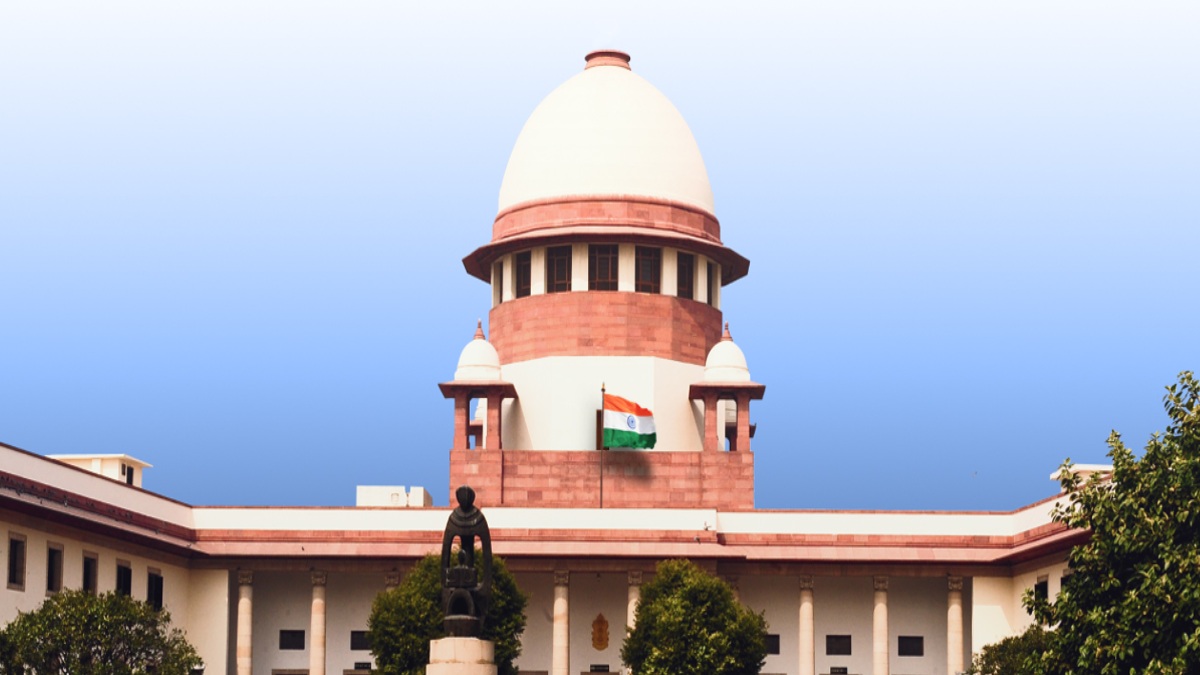
The Supreme Court will hear a fresh application on September 21 on the current Special Intensive Revision (SIR) of electoral rolls in Delhi and the notices issued to around 33 lakh people whose eligibility or electoral-roll details are under scrutiny. This has galvanized attention to the process of revising voter lists and why notices were issued and what safeguards are available for those whose names and eligibility are challenged. We brought this to the Chief Justice of India-led bench and the court agreed to hear the matter.
The problem relates to the wider SIR exercise by the Election Commission of India. Under this process, electoral records are reviewed and verified before the final rolls are published. As per reports, about 33 lakh electors were identified for the notice stage in Delhi, while a considerably larger number of names were removed from the draft electoral roll published on August 31. The Election Commission has cited categories such as voters who were found to have shifted or were absent, deceased electors, and multiple enrolments as reasons for the revision process.
The current petition focuses on the treatment of people who have received (or are expected to receive) the notices. The petitioners have questioned the identity of those who are issued notices and the reasons for the issuance of notices. Another legal issue involves categories such as “logical discrepancies” and “unmapped” electors, with petitioners arguing that voters should be given sufficient information to understand why their records have been flagged and respond appropriately.
The notice process is an important part of electoral-roll revision since the publication of a draft roll is followed by a period during which claims and objections can be submitted. Initial reports indicated that the notice phase and claims and objections process in Delhi were to run until October 29, with the final electoral rolls to be released on November 4.
The Election Commission has previously outlined safeguards to prevent wrongful deletion of eligible voters during SIR exercises. This includes prior intimation, door-to-door verification by Booth Level Officers, recording reasons for deletion, publication of draft electoral rolls, and an opportunity for voters to file claims and objections. Appeals are also available through the designated authorities.
The Supreme Court has also previously looked at the legal basis for SIR. In a case concerning electoral roll revision on May 27, 2026, the Court recognised the Election Commission’s right to maintain electoral rolls and differentiated between an electoral eligibility question and a certificate of citizenship under the Citizenship Act. The court also stressed procedural safeguards and ways to challenge erroneous deletions.
So the Delhi matter is about both the administration of electoral rolls and the procedural rights of voters during the revision process. The Supreme Court hearing might help us to understand how notices, information, and how electors respond to the concerns raised on their entries.
For Delhi voters, the proceedings are important because electoral rolls determine who is registered to vote in a constituency. Any revision exercise therefore needs to be verified accurately, and those who are eligible to vote should be given a chance to address any potential discrepancies. The claims-and-objections process is designed to give that opportunity before the electoral roll is finalised.
The September 21 hearing is expected to bring the concerns raised in the new petition before the Supreme Court. The court’s decision will be watched closely as Delhi’s SIR processes approach the publication of the final electoral roll. Until the hearing and any further directions, the issues raised in the petition will be before the court, while the Election Commission is going through the statutory revision process.