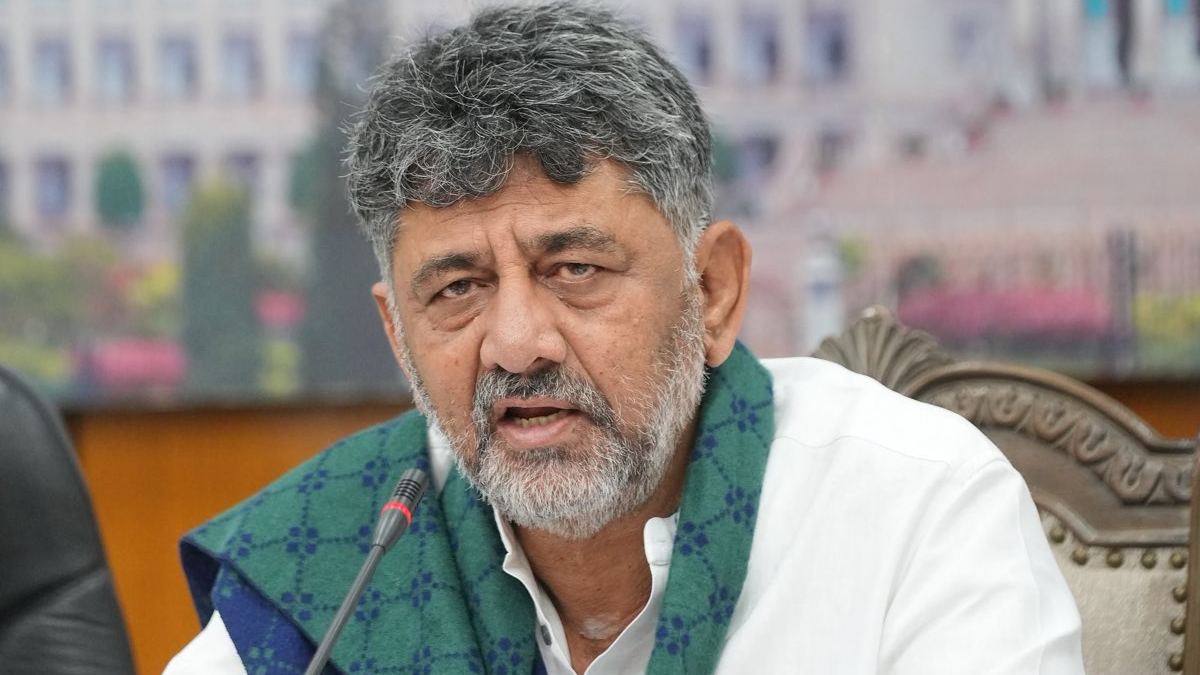
Karnataka Chief Minister D.K. Shivakumar has quickly responded to Union Parliamentary Affairs Minister Kiren Rijiju's comments, saying that the Congress party was instrumental in the development of the Women's Reservation Bill and that they would continue to work for women to be more involved in politics.
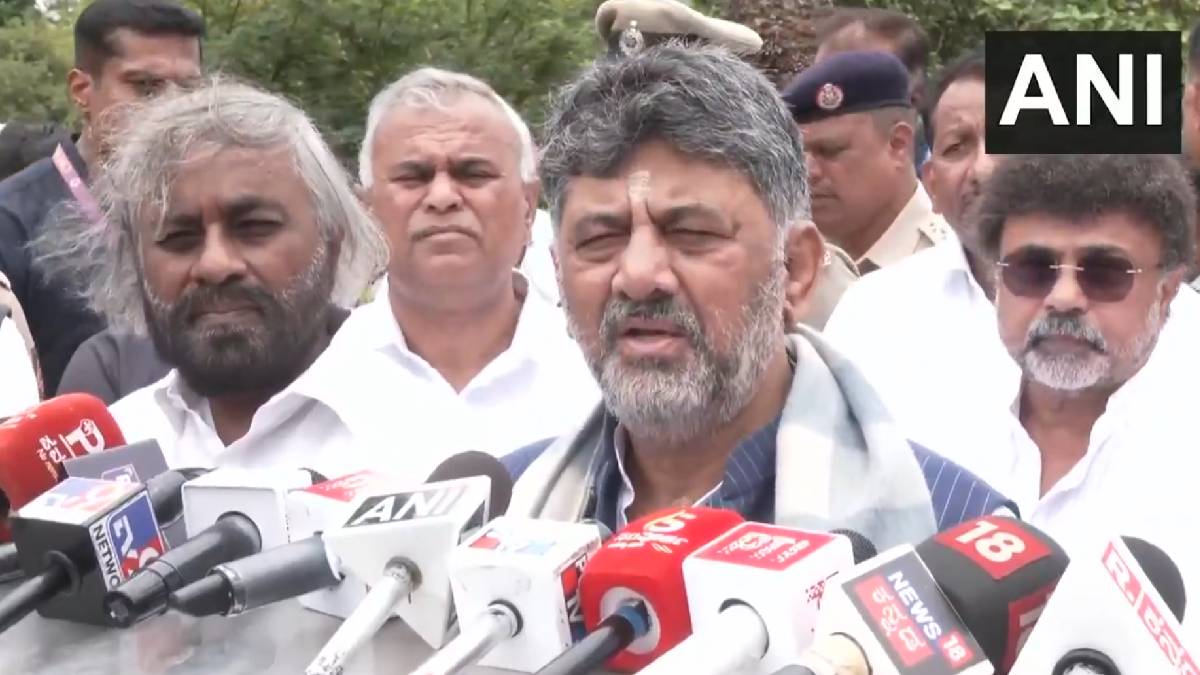
In Bengaluru, Shivakumar said: “We are the ones who piloted the women's reservation bill…we will give more strength to women…Kiren Rijiju need not worry about the Congress party…”
#WATCH | Bengaluru, Karnataka: On Union Parliamentary Affairs Minister Kiren Rijiju’s remarks, CM DK Shivakumar says, “We are the ones who piloted the women's reservation bill…we will give more strength to women…Kiren Rijiju need not worry about the Congress party…” pic.twitter.com/COHxTnyP0R
— ANI (@ANI) August 8, 2026
The statement comes at an age of political debate over women’s representation in elected bodies and political parties’ contributions toward increasing opportunities for women in public life.
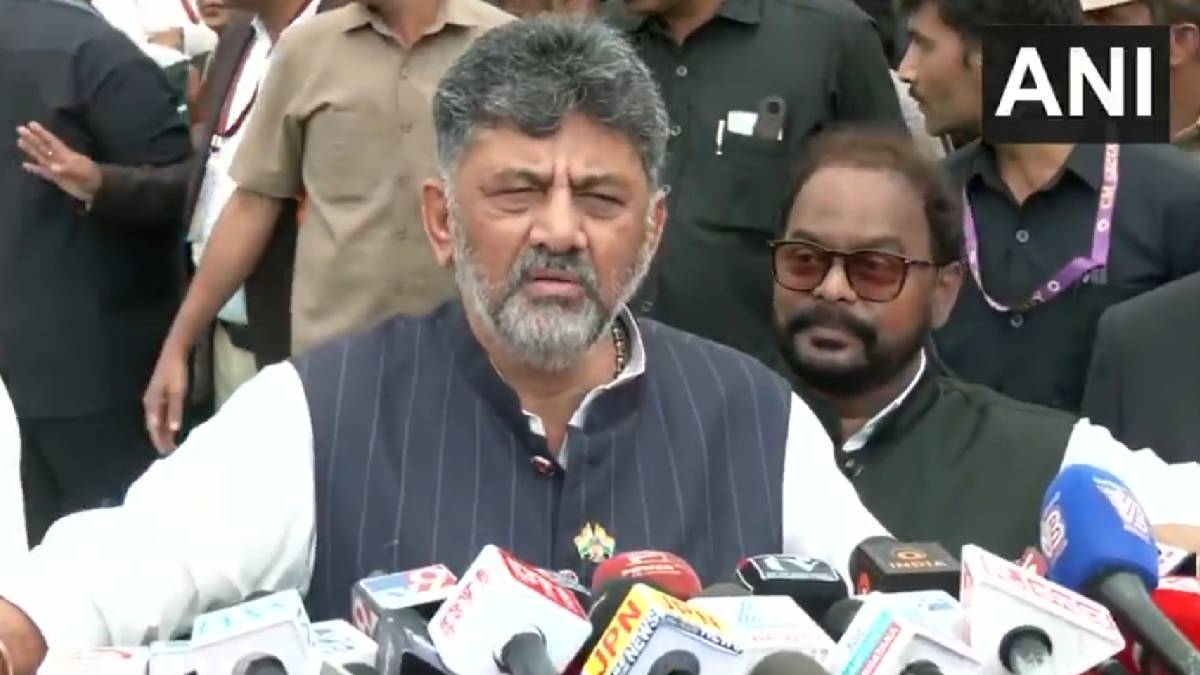
To the Congress party, Shivakumar’s comments highlight that women have always been given a better place in politics. The party would like women to have more opportunities to achieve governance and leadership.
The Women’s Reservation Bill, formally known as Nari Shakti Vandan Adhiniyam, is to allocate one-third of seats in the Lok Sabha and state legislative assemblies to women. It was passed by Parliament in 2023 and signed by the President.
But its implementation is linked to completion of a delimitation exercise after a future census, which means reservation has not yet translated into an immediate one-third allocation of seats in Lok Sabha or state assemblies.
The issue is still politically relevant because parties have different positions on when and how it will be implemented. Opposition parties such as Congress have repeatedly asked about the timeline and about census and delimitation.
Shivakumar's latest remarks seem to put the Congress’s contribution to the issue at the centre of the political discussion. By claiming his party had “piloted” the legislation, the Karnataka Chief Minister sought to counter criticism directed at the Congress and to defend the party’s promise to support women’s political empowerment.
His message also had a direct political message for Rijiju. Shivakumar said that the Union Minister “need not worry about the Congress party,” but that the party is still confident in its political position and will continue to pursue issues of women and representation.
The exchange is emblematic of a growing political war between the ruling BJP-led government in the centre and the Congress-led opposition over representation of women in government, electoral reform and implementation of major legislative measures.
Women’s participation in politics is still an important problem in India since women are significantly underrepresented in Parliament and state legislatures compared to their share of the population. Representation of women in elected institutions can enhance the diversity of perspectives in policymaking and governance.
The implementation of women’s reservation is therefore expected to remain a major political issue as discussions around the census and delimitation progress.
For Karnataka, the issue has additional political significance as the state is still one of the most important electoral battlegrounds between Congress and BJP. Shivakumar, one of the most prominent leaders of the Congress party in Karnataka, has often sought to present the Karnataka government as a welfare, representation and empowerment platform.
His comments indicate that the Congress will continue to make women’s empowerment a part of its political message.
The comments have also kept the Women’s Reservation Bill debate in the political spotlight. The legislation has already passed, but the timeline and delimitation process are still under debate among parties.
As Rijiju and Shivakumar continue to hold political talks, women’s representation will be a central issue in the national political debate on the way forward. And in the political debate, political parties have to deal with the question of future electoral reforms and representation.