The Ministry of External Affairs (MEA) on Friday firmly responded to comments made by foreign countries about India's Foreign Contribution (Regulation) Act (FCRA) and stated that it is entirely within India's sovereign legislative domain and is a matter for the country's Parliament to decide.
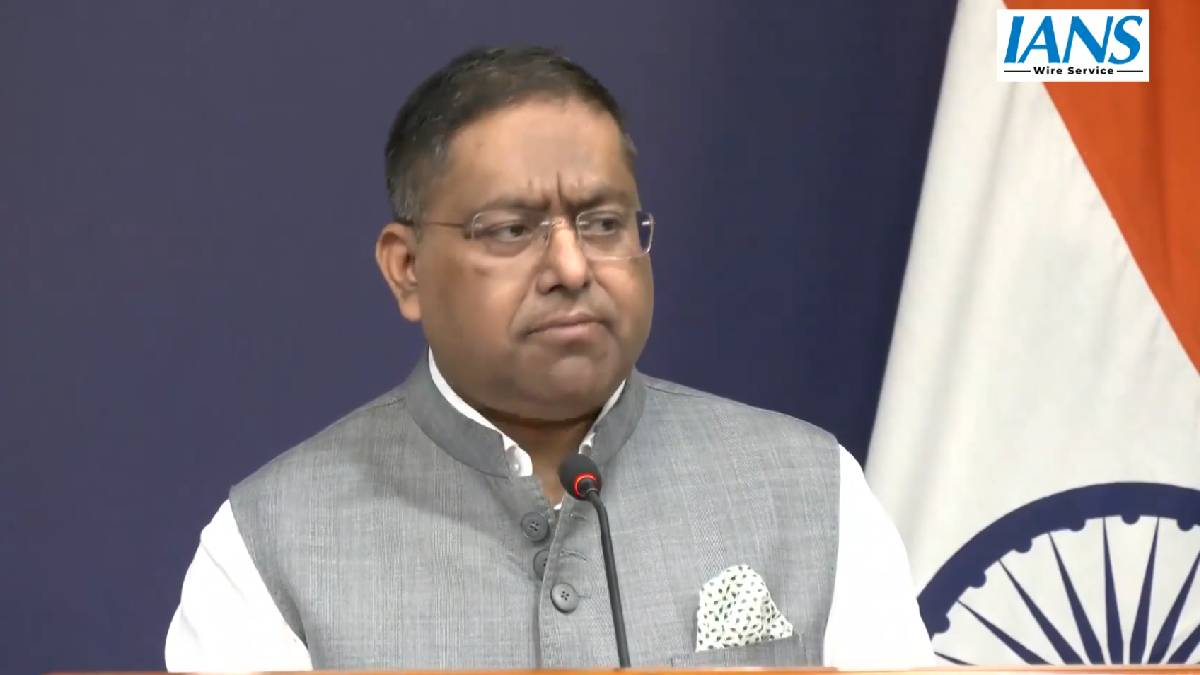
At a media briefing in New Delhi, MEA spokesperson Randhir Jaiswal said India considers its legislative affairs to be an internal matter and foreign governments should respect the country's democratic and constitutional processes.
Delhi: Reacting to comments from foreign countries on the Foreign Contribution (Regulation) Act (FCRA), MEA Spokesperson Randhir Jaiswal says, "We have also seen the matter you are referring to, and several comments have been made on it. As far as legislative matters and India's… pic.twitter.com/88gneUA8Zp
— IANS (@ians_india) August 7, 2026
When asked about comments by foreign countries regarding FCRA, Jaiswal said: “We’ve also seen the issue you are talking about, and we’ve also seen some comments on it. With respect to legislative matters and India’s own legislative affairs, this is our internal, personal matter on which our Parliament takes decisions.

He further noted that the regulation of foreign funding is not unique to India and that several countries have similar legal frameworks governing foreign contributions.
"I would also like to tell you that there are several nations and countries in the world, including America, that regulate foreign funds and foreign contributions," the MEA spokesperson added.
The statement also comes at a time of global observation and comments on India's foreign funding policy regarding individuals, NGOs, associations and other entities.
FCRA is India's foundational legislation for the processing of foreign money. The law is intended to regulate foreign contributions to the government to avoid them affecting national interest (democracy) or public policy and elections (security). Organizations wishing to receive foreign money need to register or have prior permission from the Ministry of Home Affairs and are required to comply with reporting and compliance requirements.
The FCRA has been under debate in India and abroad for many years. Supporters of the law say that it is necessary to ensure transparency, accountability and national security by regulating foreign financial inflows. But critics have expressed concerns about its implementation and the impact on civil society organizations and non-governmental bodies.
India has always maintained that its legal framework governing foreign contributions is comparable to regulations adopted by some other countries. Government officials have repeatedly argued that sovereign nations have the right to form laws regulating foreign financial flows in accordance with their constitutional and national security requirements.
The MEA's latest remarks reaffirm New Delhi's long-standing position that legislative decisions taken by Parliament are matters of domestic jurisdiction and should not be subject to external commentary or intervention. With a reference to other countries (the United States, for instance), the government wanted to place India's legal framework in a wider international context.
The statement is also reinforcing India's focus on sovereignty, non-interference and respect in international relations. While successive Indian governments have maintained that for them, constructive dialogue with global partners is important, domestic legislative matters are decided by democratic mechanisms established under the Constitution.
The MEA's response will be integral to India's diplomatic messaging on the issue as foreign funding regulations remain in the domestic and international consciousness. The government has repeatedly said that Parliament is not only responsible for making laws but for amending laws based on the will of India's democratic institutions.