The changing landscape of faith and politics: Why the Mathura-Kashi rhetoric is fading. For over a decade, a slogan permeated the political and social landscape of northern India: “Ayodhya toh bas jhankee hai, Kashi Mathura baaki hai” (The Ram Mandir is just a glimpse; Mathura and Kashi are still to come). It was a rallying cry, a promise for a continuous cultural and religious revival. But for the past decade or so, this once-enormous dialogue has disappeared from the mainstream. What is the possible reason for this sudden silencing of a narrative that was almost unstoppable?
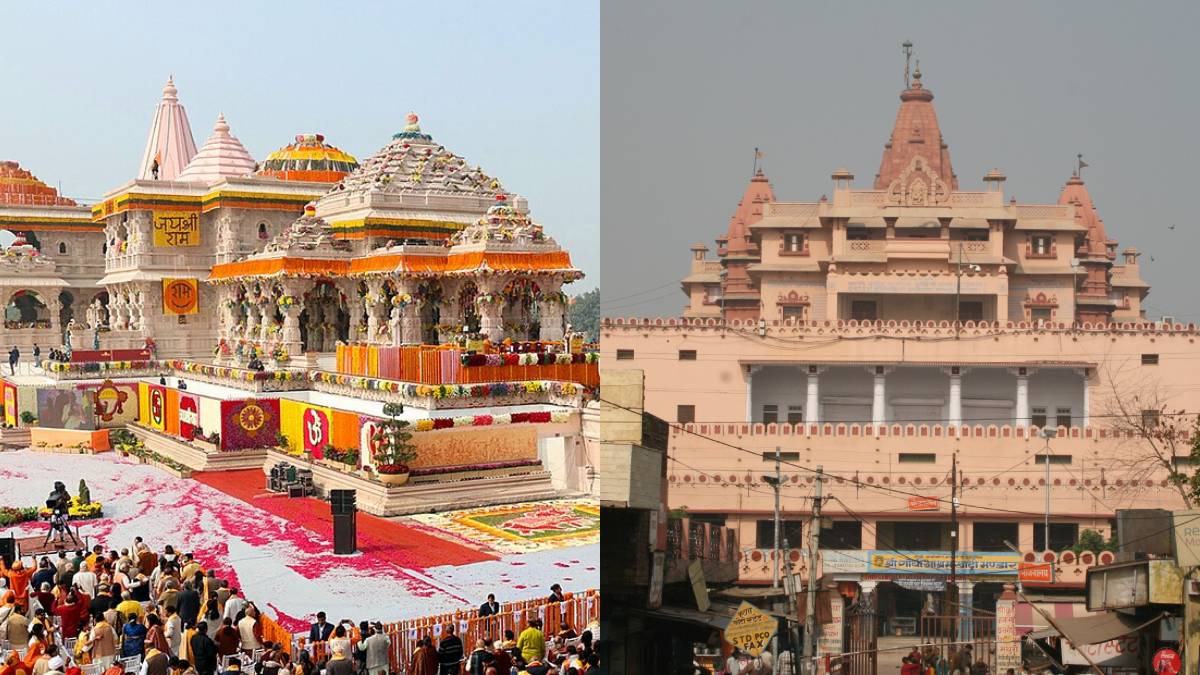
The Saturation of Religious Mobilization. The main reason is the changing appetite of the electorate. The Ram Mandir’s consecration in Ayodhya was a landmark event that completed a decades-long movement. For many people, it was fulfillment. The efforts to translate that kind of emotional and political mobilization on a grand scale for Mathura and Kashi have been unsuccessful. Public fatigue with perpetual ideological conflicts has led to a natural cooling of the rhetoric.
The rise of bread-and-butter governance. Recent electoral results and socio-economic trends reflect a clear shift in citizen priorities. Indeed, national pride is still present, but problems such as unemployment, inflation, infrastructure, and local governance have taken over. The day-to-day struggles of the common person require tangible administrative solutions as opposed to symbolic victories. Political parties and ideological clubs have come to realize that religious narratives are no longer a sure way to persuade the public.
Legal realities and institutional patience. Unlike the rapid escalations of the past, the disputes around the structures in Mathura and Kashi are firmly entrenched in complex legal processes. With matters sub judice in different courts, public discourse has shifted from aggressive street politics to institutional patience. The mainstream narrative has adapted to respect judicial timelines, reducing the space for highly charged public slogans.

Economic realism in temple towns. The economic transformation of Ayodhya and Varanasi (Kashi) has also changed the perspective. Now, the politics of building temples is being replaced by the economics of managing them. Citizens and local businesses are now heavily invested in tourism, infrastructure development, real estate growth, and civic amenities. The conversation has moved from ideology reclamation to economic sustainability.
At the end, the silencing of the old slogan does not mean cultural sentiments have disappeared. But it is representative of a growing public sphere in which faith is valued alongside development and economic progress.