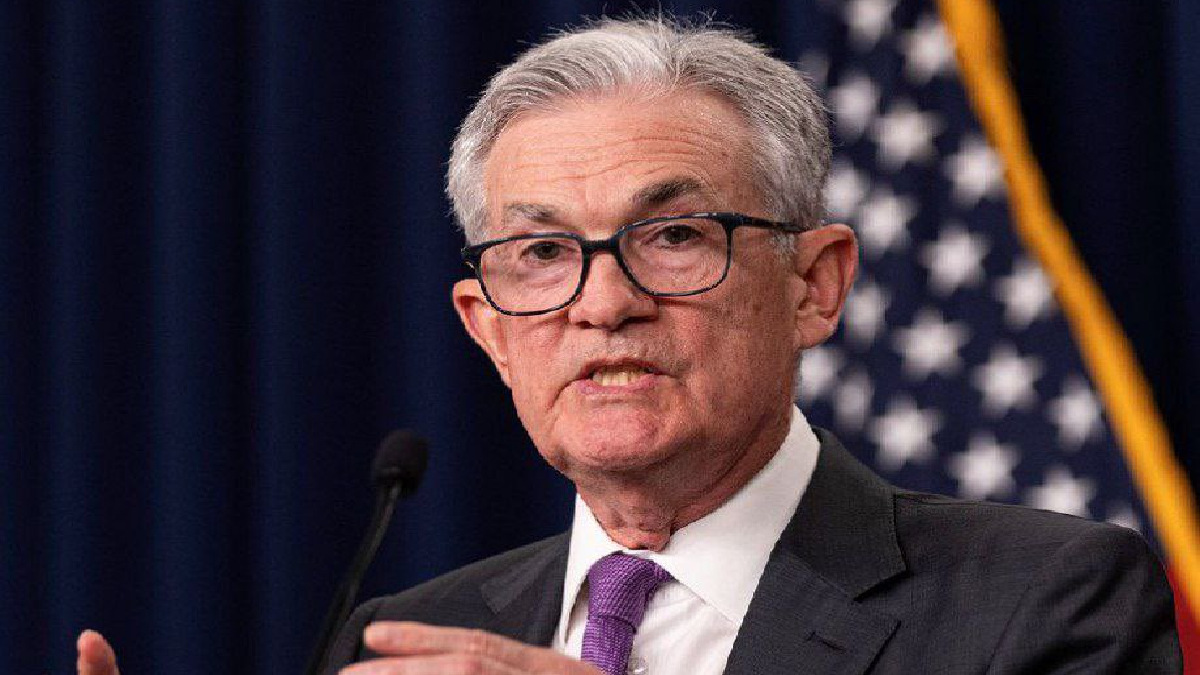
Senator Lindsey Graham, one of the leading voices of American foreign policy for more than three decades, died yesterday at the age of 71. The longtime South Carolina politician died after a week and a preliminary report from the Washington, D.C., medical examiner confirmed that he suffered a tear in his aorta.
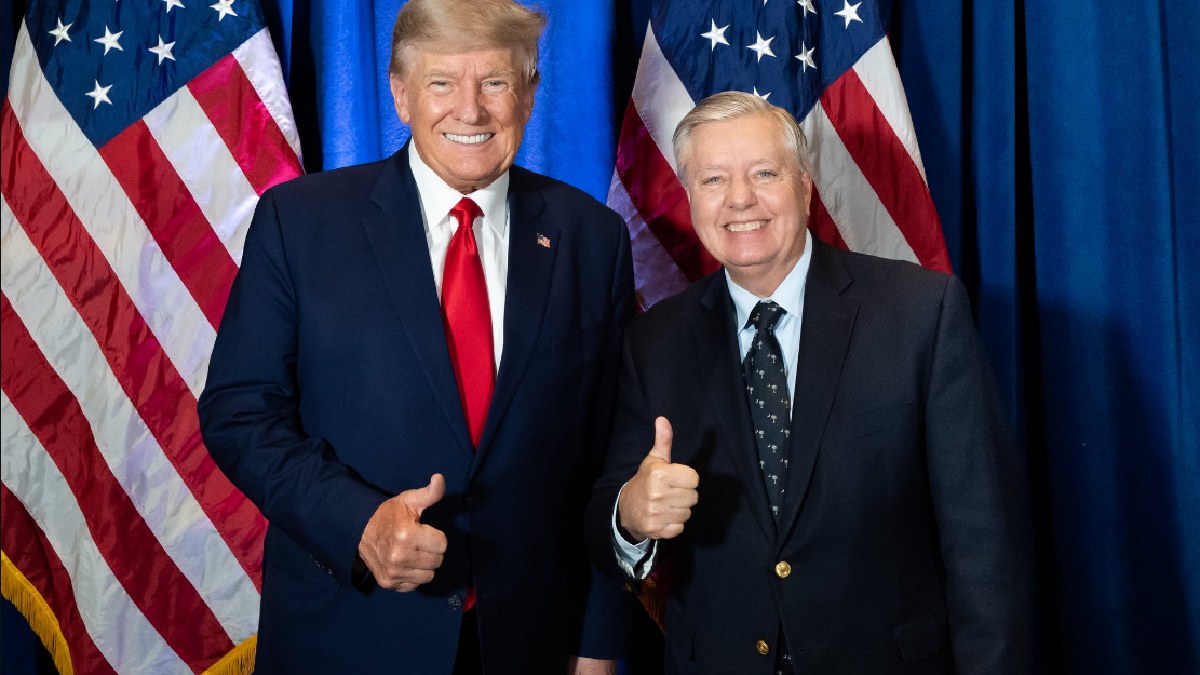
Graham’s death is the end of the Washington era. He has been one of the strongest proponents of an aggressive American presence on the global stage and has always supported military alliances, NATO and U.S. involvement in international conflicts. He is remembered by political leaders and diplomats and governments that have long opposed his hawkish policies.
Graham served South Carolina in the US House of Representatives and the US Senate for more than 30 years, and is regarded as one of the foremost national security voices from the Republican Party. Even as former President Donald Trump changed the course of the party in his so-called America First foreign policy, Graham was still an influential figure because he stuck with Trump and continued to work to keep America’s traditional alliances healthy.
Graham initially opposed Trump’s rise in 2016, but the two developed a close political friendship later. Rather than publicly rebutting Trump’s foreign policy decisions, Graham would often work for the administration and he believed that working together would enable him to influence major national security decisions.
Supporters say that his strategy helped preserve US backing for Ukraine, even as Trump’s commitment sometimes seemed uncertain. Graham had returned from his tenth visit to Kyiv and announced progress on a new package of sanctions against Russia just before his death and announced progress on a new package of sanctions.
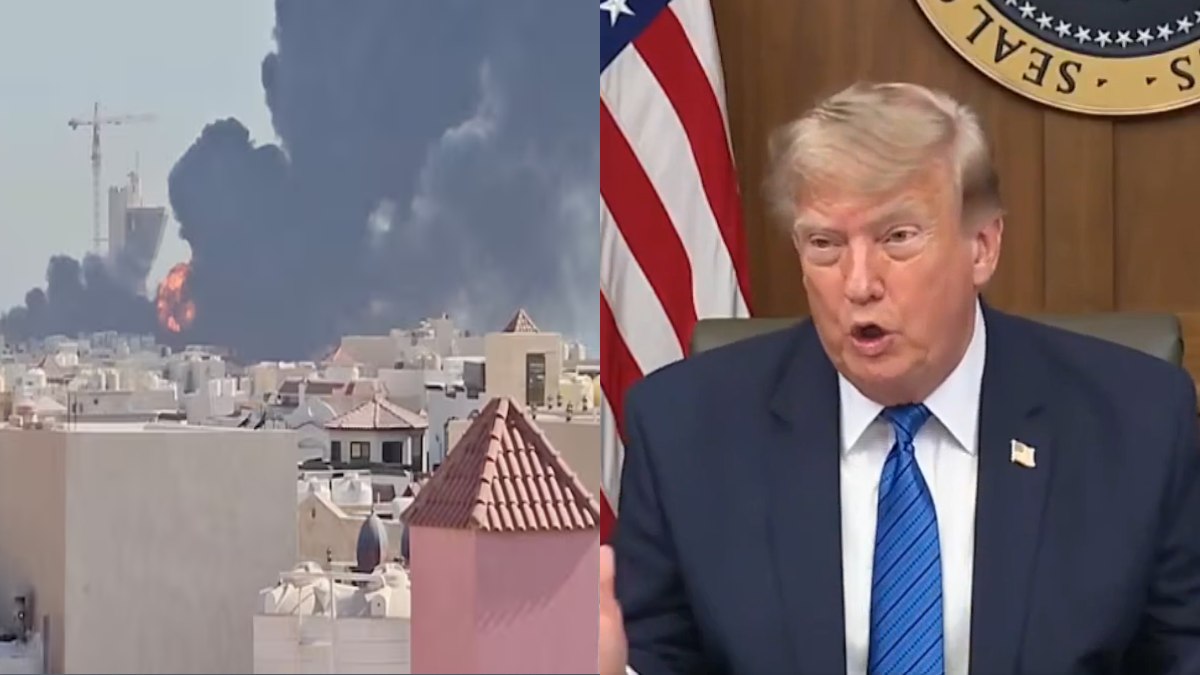
Ukrainian President Volodymyr Zelenskyy paid tribute to Graham, describing him as “a true defender of freedom” who stood with Ukraine in its most difficult moments.
Graham was also praised by NATO leaders for his unwavering commitment to the trans-Atlantic alliance. NATO Secretary-General Mark Rutte described him as a great advocate for the alliance and former Secretary-General Jens Stoltenberg hailed him for his tireless work to strengthen NATO and support Ukraine.
The Estonian and Latvian officials also remembered Graham as a strong advocate for NATO's eastern flank and one of the strongest American voices warning against Russian aggression.
But Graham's legacy is much more complex than that.
Although he was admired by many allies, he was frequently attacked for his support for military intervention abroad. He advocated for much tougher action against Iran, calling for a series of strikes to attack Tehran's nuclear facilities and strategic infrastructure. He was one of the country’s most vocal critics in the U.S. Congress for pursuing aggressive policies toward Iran.
On his death, Iranian state television broadcast a hostile broadcast celebrating his passing, mirroring the bitter tensions between Graham and the Iranian government.
Graham was also one of Israel’s strongest allies in Washington. On October 7, 2023, following attacks from Hamas, he supported Israel's military campaign in Gaza and urged the United States to continue providing military assistance without restrictions.
Israeli Prime Minister Benjamin Netanyahu described Graham as "a great friend of Israel" and said he had devoted his life to strengthening the US-Israel alliance.
At the same time, Graham's support for Israel's military operations was criticized by many Middle Eastern countries, humanitarian organisations and even some American political leaders who favoured a more diplomatic approach.
Graham’s political career reflected both the strengths and weaknesses of current Republican foreign policy, political analysts say. He was committed to defending democratic allies and projecting American power abroad, and yet he was willing to work with Trump’s power among the Republican Party but didn’t confront it directly.
It is in this way that he has been one of the most influential Republican lawmakers of his generation.
Lindsey Graham is out of the picture. A man that’s loved by allies, vilified by foes and respected across party lines for his knowledge of international affairs, Graham leaves behind a legacy that will have a much bigger impact on the discussions about America’s place in the world for years to come.