The Food Safety and Standards Authority of India (FSSAI) has banned the sale of some popular alcoholic beverages brands which include Old Monk, Bagpiper, Royal Challenge and Antiquity Blue due to the presence of artificial or nature-identical flavours, it has been reported.
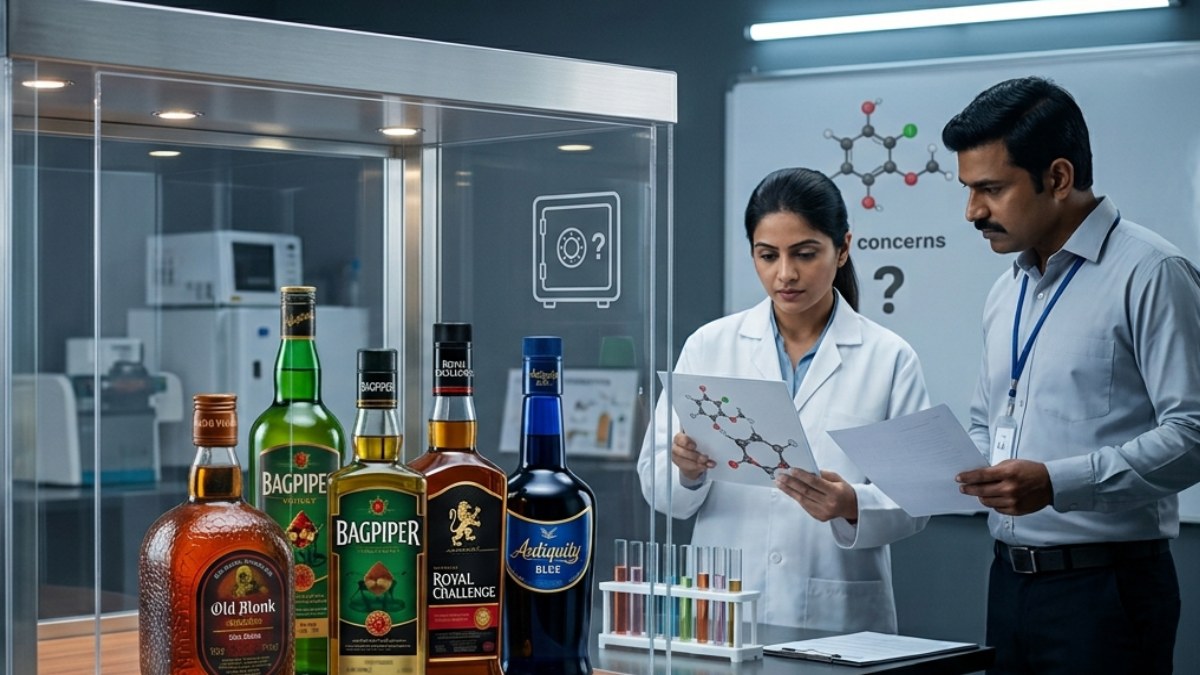
The action only applies to the ones that are found to contain flavouring ingredients that may not comply with the applicable food safety standards for the category in which they are sold. FSSAI has therefore instructed authorities to halt the sale of the affected products until the matter is resolved in accordance with regulatory requirements.
The development is expected to have a significant impact because the brands involved are among the most popular names in India's spirits market. Old Monk has been around for decades amongst rum fans and Royal Challenge, Bagpiper and Antiquity Blue are popular brands in the whisky category. The order is getting a lot of attention but it is limited to the identified product variants and not for all the products sold under the brand names.
Food safety regulations in India stipulate the ingredients that may be used in different food and beverage products such as alcoholic drinks. To ensure that the product is in compliance with the written code and rules, the product composition, labelling, manufacturing practices and ingredient declarations are monitored. If the product is found to contain ingredients or additives that do not meet regulatory requirements, it can be stopped and ordered to be sold until the correct ingredients and additives are added.
Industry experts believe the action highlights FSSAI's growing focus on better regulatory oversight of processed food and beverage products. In recent years, inspections, testing in labs and enforcement across different sectors has intensified, and the authority has taken this into account more and more in product quality, transparency, and consumer protection.
For manufacturers these regulatory interventions may mean product recalls, reformulation, more labelling to meet new testing, labelling of new product specifications, and compliance reviews. Companies that are affected by the order may challenge the findings or add new scientific evidence or revise product formulation to meet new standards before receiving regulatory approval for continued sales.
Consumers who have already purchased these products are not warned to panic based on regulatory action. But experts recommend that manufacturers and regulators ensure that the affected variants are made public. Retailers and distributors will be required to follow the directive by removing the products mentioned from sale where necessary.
The development may also spark more discussions in the alcoholic beverages industry on ingredient disclosure, manufacturing practice and regulatory requirements. Food safety standards have changed and companies will need to be very careful at maintaining quality control, documentation and product testing.
Lawyers and regulatory experts say such enforcement measures are designed to ensure that the products available in the market conform to approved standards and accurately represent their creation. Transparency in ingredient usage is still one of the key areas of consumer protection (especially in food and beverages).
In the next few days, more clarity on the scope of the order, the exact variants, and how companies will respond will be forthcoming, in terms of their response to the order, as companies will be able to provide more detail on the scope of the order, the specific variants affected and the reaction from the companies involved.
Manufacturers might issue official statements, disclose product specifications and take corrective actions on the spot as regulatory action is needed for them to make the product specifications and/or the product specifications clear or corrective actions are made. In the meantime, consumers need to believe what they find in regulatory bodies and company statements on social media, rather than just what are unverified company statements and social media posts.
The FSSAI’s action is a sign of the regulator’s commitment to food safety standards applying to all consumable products. As we know that we will continue investigations and compliance reviews the case may form a reference point in quality assurance and regulatory compliance in India’s alcoholic beverage industry.