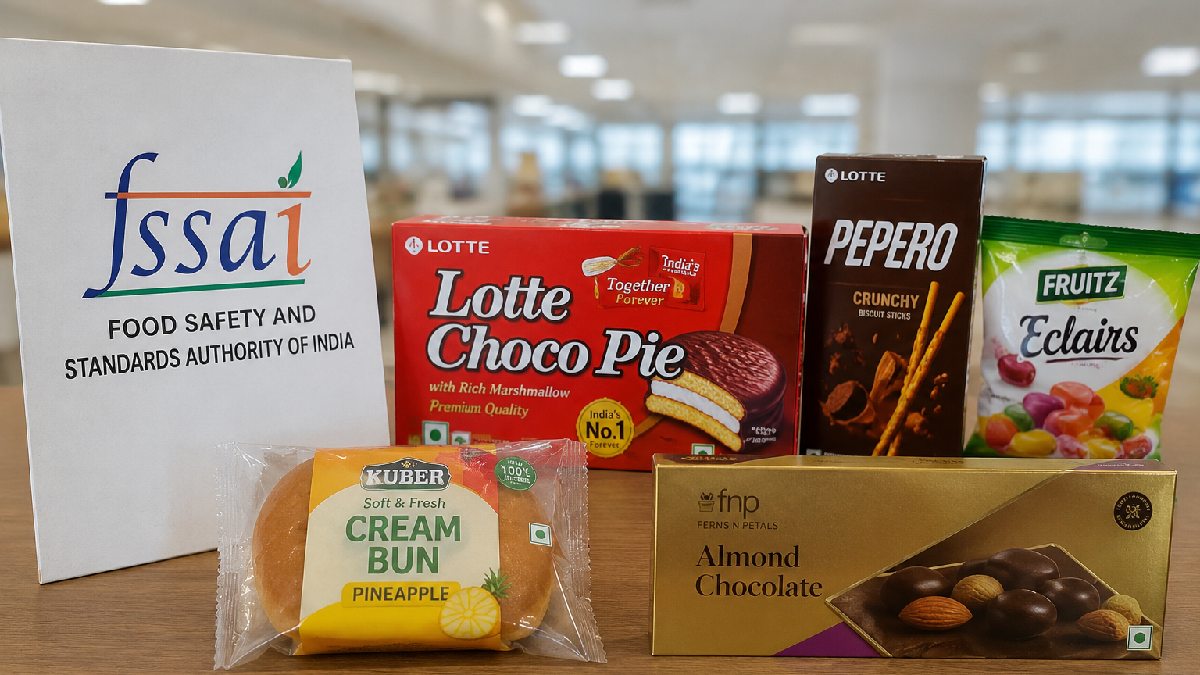
In a major step to protect consumer safety and make food labeling more transparent, the Food Safety and Standards Authority of India (FSSAI) has directed several large beverage manufacturers to stop advertising energy drinks in such terms.
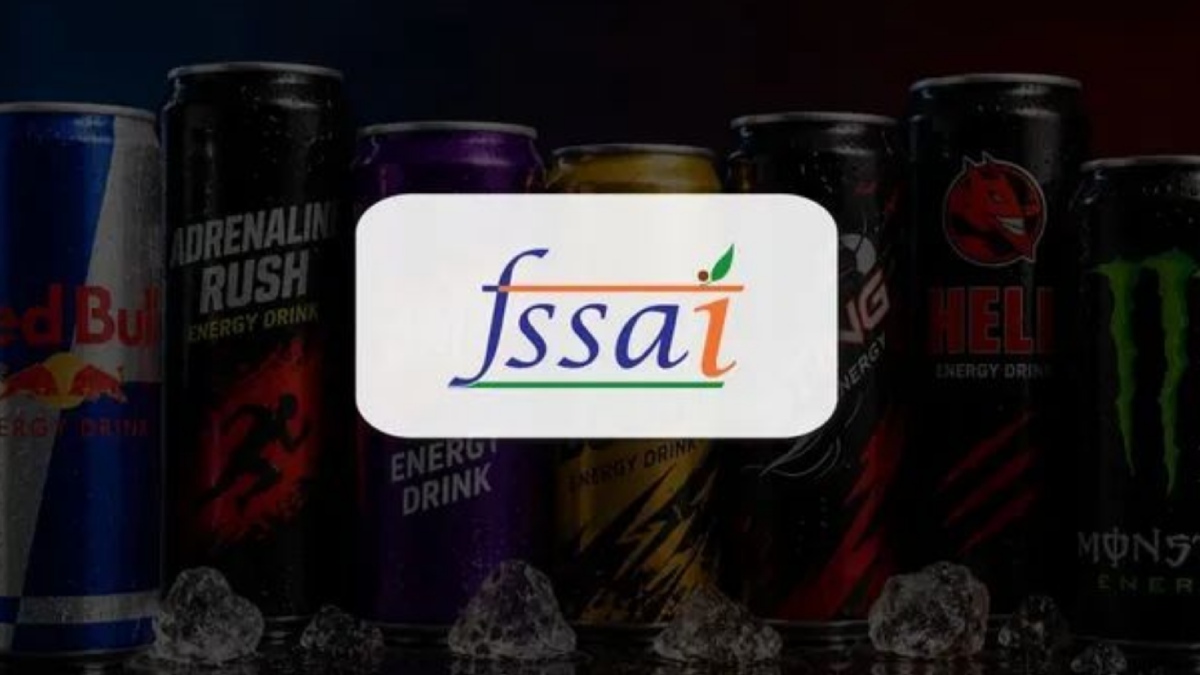
As a result, they will have to refer to these products as "Caffeinated Beverage" and update their packaging as well within 90 days in line with India's food safety regulations.
The directive affects some of the country's largest beverage brands including PepsiCo, Red Bull, Monster Energy, Reliance Campa, and Hell Energy. As FSSAI notes, “Energy Drink” is not a recognized category under the Food Safety and Standards Act or food safety regulations. Thus beverages with caffeine higher than the specified limits will be classified as “Caffeinated Beverages”.
The food regulator has also banned companies from making promotional claims in their advertisements that may lead consumers to believe the products give them energy, or improve their mental and physical performance. Statements such as “provides instant energy” or “boosts physical and mental performance” are not in line with the current regulatory framework if they’re not well-suited to be marketed according to approved standards. FSSAI believes that such marketing messages may create unrealistic expectations for consumers especially for younger generations.
With the consumption of caffeinated beverages growing rapidly in India, many college students, young professionals, fitness fans, and gamers drink them to combat tiredness or play games. The regulator says aggressive marketing and the use of the word "Energy Drink" may influence the decision-making process when customers are not aware of the product's true origin.
FSSAI officials told us that the Indian Beverage Association (IBA) felt the removal of the "Energy Drink" label would have a negative effect on branding, consumer recognition, and on the business itself. Industry representatives said that the term has become popular in the domestic and international market and that the changes in packaging and marketing materials would be very expensive.
But FSSAI Chief Executive Officer Rajit Punhani, however, rejected the industry's request to keep the current terminology and reiterated that consumer interest and compliance with food safety regulations must take precedence over commercial interests. Businesses must align their product labels with legally recognized food categories and avoid terminology that may be considered misleading, the authority said.
For a smooth transition, FSSAI has given manufacturers a 90-day compliance period to redesign packaging, update product labels, and modify promotional materials. Companies that disagree with the directive are allowed to contest the decision through the appropriate means by law and take legal action, but they are required to comply with the regulator’s advice.
The directive extends to digital marketplaces too. The government has told big e-commerce platforms like Amazon, Flipkart, and Blinkit not to advertise or sell them under the category of "Energy Drinks"; rather, the online listings should correctly identify them as "Caffeinated Beverages" under FSSAI guidelines so as to keep the policy uniform in both physical retail and online.
In some areas, the enforcement of regulations has already begun. In Rajasthan, for example, authorities have seized large quantities of beverages which were marketed illegally according to the existing labeling laws. Such enforcement actions indicate that regulators have become very firm on the line that non-compliance will result in serious consequences.
Health professionals have welcomed the move, saying accurate labeling helps people make more informed decisions about the contents of caffeinated beverages. Adults can drink caffeinated beverages safely in moderation, but it is not safe for children, adolescents, pregnant women, and people sensitive to caffeine, they say. Transparent labeling helps consumers, who are purchasing and consuming, to understand what they’re doing.
🚨 India orders Pepsi, Red Bull, Monster, and others to drop the ‘energy drink’ label. pic.twitter.com/AaFoXh7GKn
— Indian Tech & Infra (@IndianTechGuide) July 27, 2026
The FSSAI directive is part of a greater national project by Indian food regulators to enhance food labeling standards and market awareness and ensure that marketing is scientifically justified and legally compliant. As the beverage industry adapts to the new requirements, manufacturers should also update their packaging, advertising campaigns, and product descriptions to be in line with the new regulatory guidelines.
With the 90-day compliance window now in place, manufacturers and retailers will closely monitor the implementation of the new rules. The outcome will set the template for future food labeling policy in India and prove on the ground that consumer protection and transparency are at the heart of any food safety strategy in India.