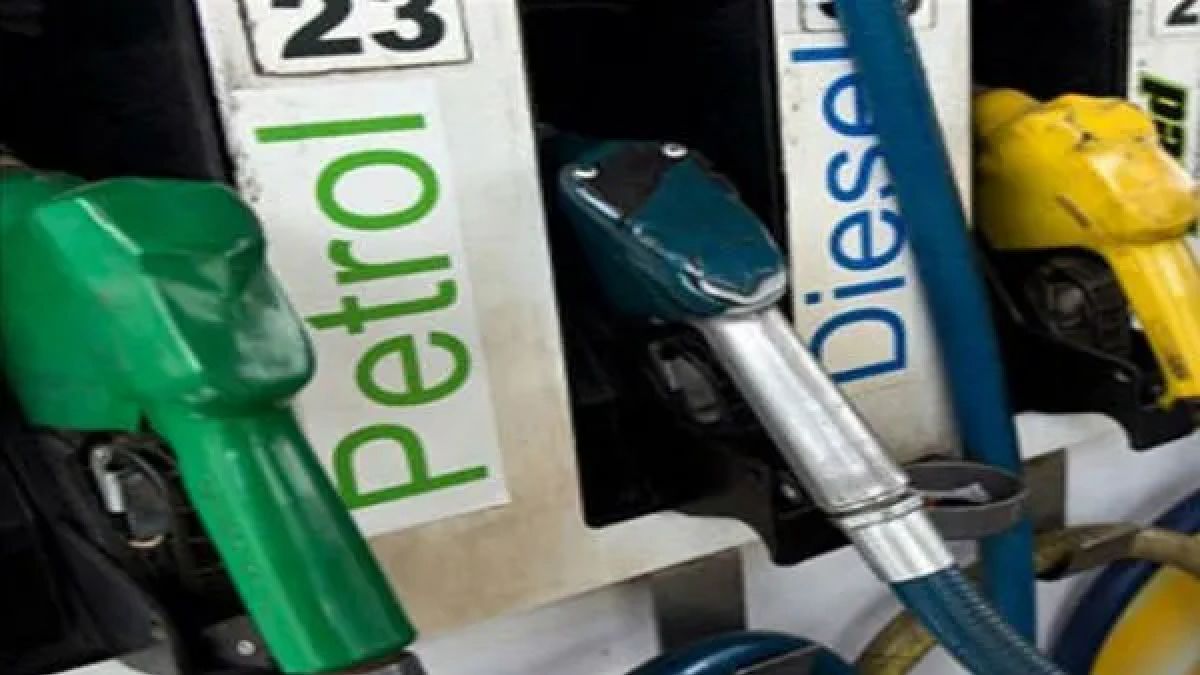
The sharp increase in fuel prices has sent app-based gig workers across the country into a panic. Driver and delivery partner unions have called for a nationwide strike and for the government to step in, while also demanding higher compensation from aggregator platforms in India.
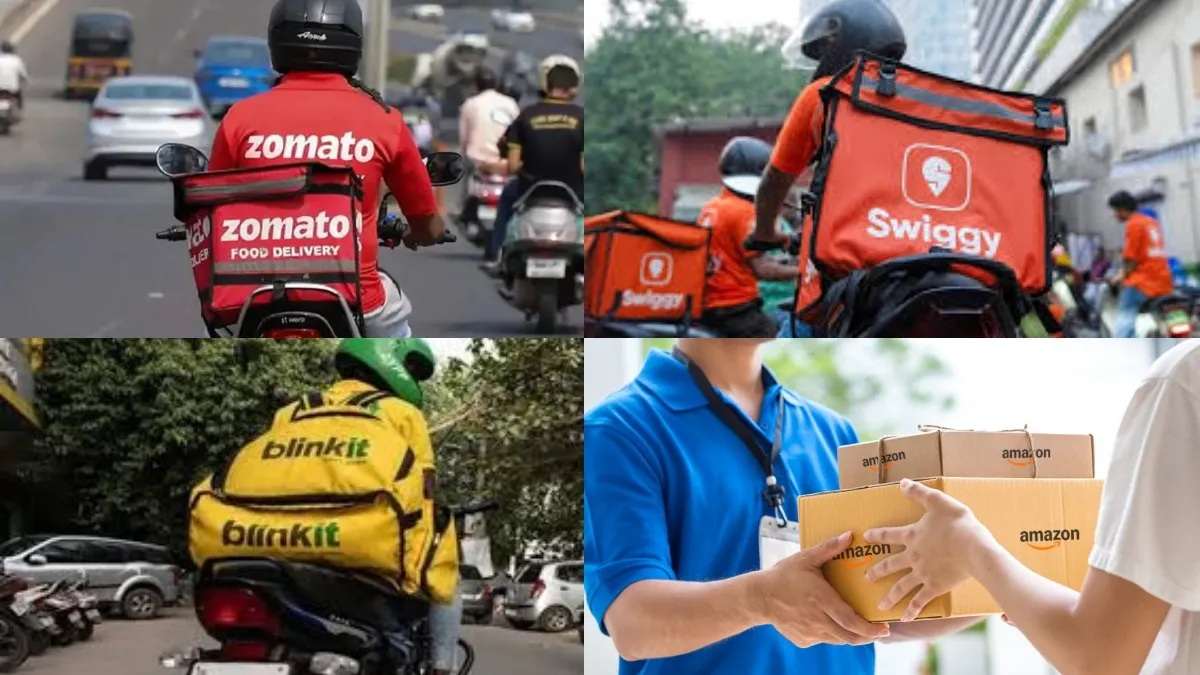
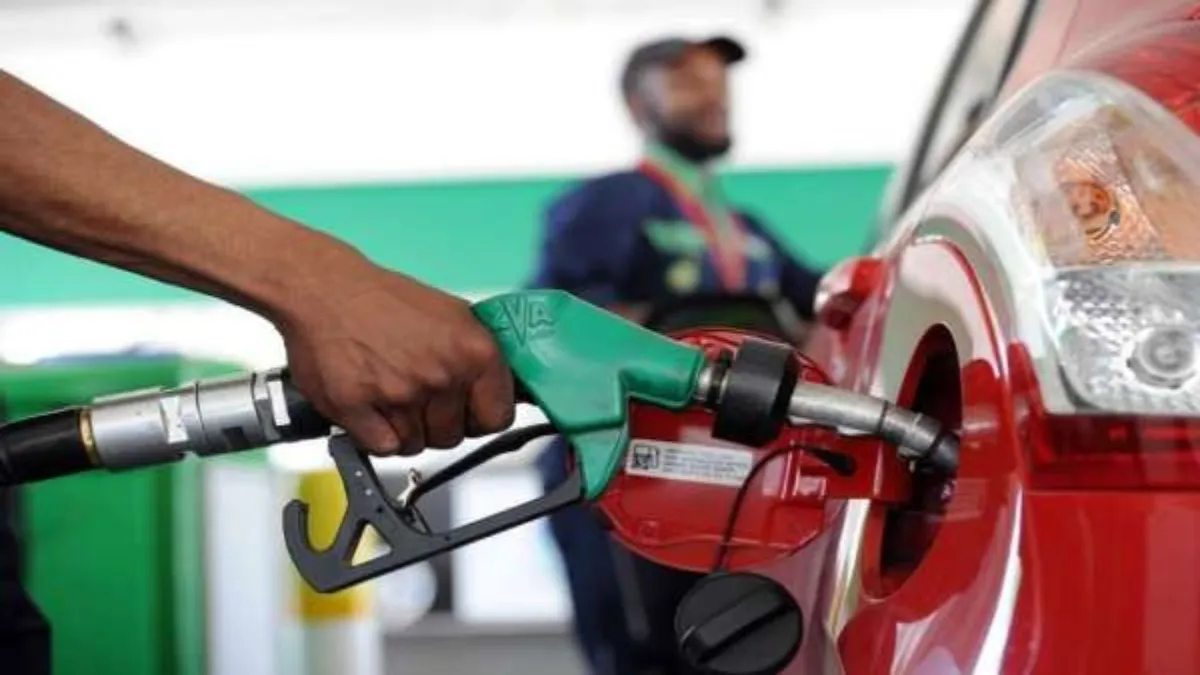
Drivers of food delivery platforms and ride-hailing apps have said that rising petrol and diesel prices have made it almost impossible for them to keep up. Workers say their incomes have dropped dramatically despite long hours of work because of higher fuel expenses, car maintenance costs and lower incentives from app companies.
Organisations representing cab drivers, bike taxi riders, and delivery executives have set out tactics for mass protests and work stoppages in major cities such as Bengaluru, Delhi, Mumbai, Hyderabad, and Chennai. The unions are demanding changes in fare structures, fuel subsidies and minimum guaranteed income for gig workers.
Despite fuel prices being high for months, worker advocates said app companies have failed to change payouts for workers. Drivers say the burden of inflation is now shifting disproportionately to workers, when consumers still want cheap rides and rapid deliveries.
Aggregator platforms came under fire from some unions as well, for slashing bonuses and setting even tougher performance goals for workers already spread thin by high operational costs that are compounding the financial burden they are feeling. Many gig workers say they’re being pushed into working 12 to 14 hours a day just to scrape by financially for their families.
And in a serious national strike, those who make up a significant portion of the number of workers could disrupt cab services, food delivery and quick-commerce platforms. And in major cities, commuters, along with their customers, might have to navigate long lines and reduced service accessibility, given the protest.
And some state governments have urged platform companies and workers’ representatives to hold talks to help spare them from large disruptions. The ongoing fighting, however, is indicative of some deeper problems that India’s burgeoning gig economy is grappling with, in addition to questions of worker protection, social security and fair pay.
The protest has also revived battles over whether gig workers should receive the same sort of formal labour protections that full-time workers are provided. Labour activists claim the rise in fuel prices reflects the tenuous income model for app-based workers, who still rely largely on incentives and volatile demand.
Meanwhile, as the cost of fuel rises, gig worker unions have warned that protests will intensify if the government and enterprises that rely on apps do not quickly get rolling this time out.