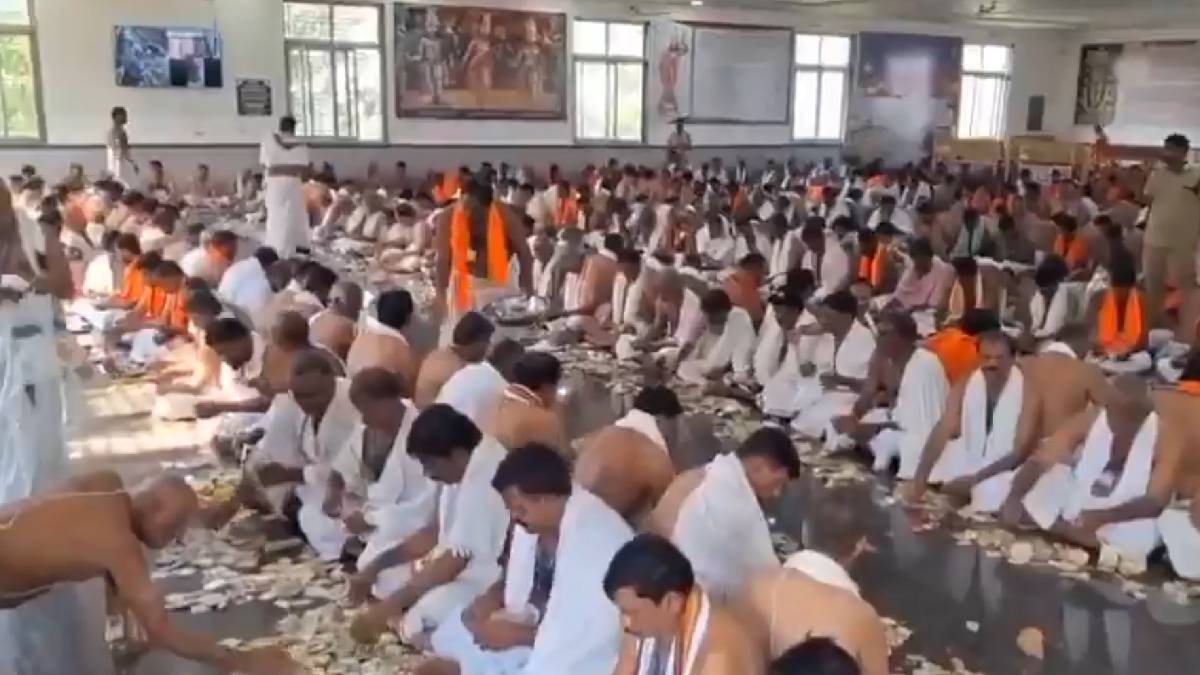
Gandhi Jayanti 2026 will be observed on October 2 to commemorate the birth anniversary of Mahatma Gandhi, one of India’s most famous and influential leaders and a champion of simplicity, self-discipline and non-violence.
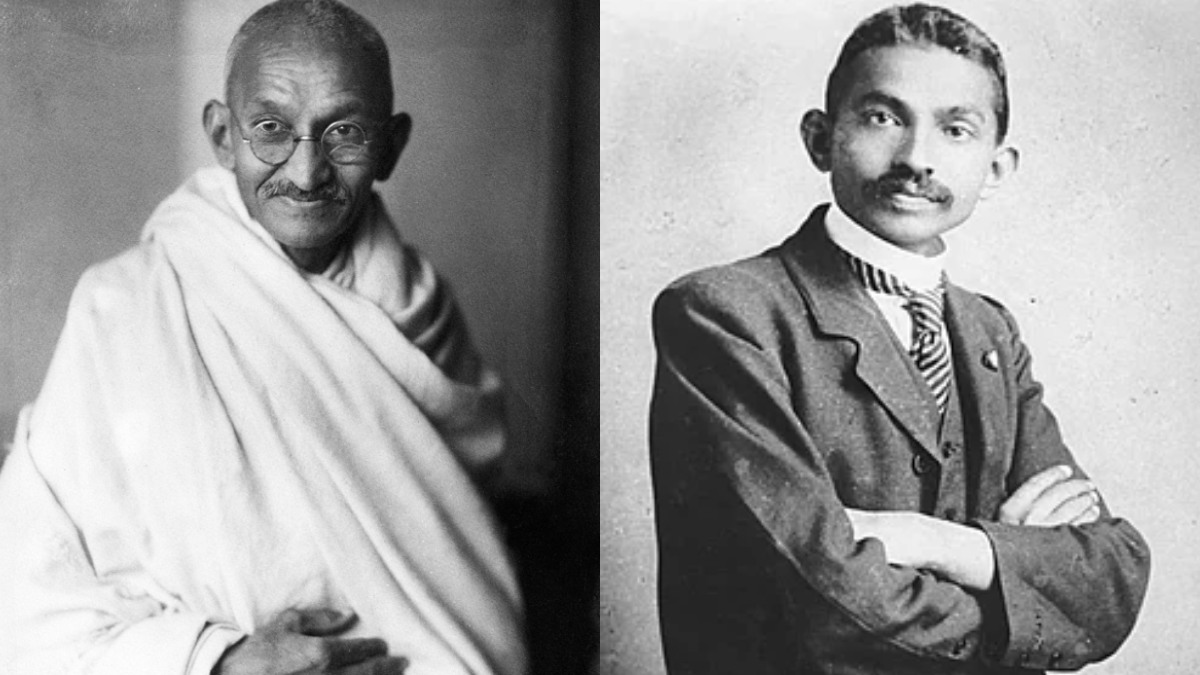
Gandhi’s life and food choices are widely known for his contribution to India’s freedom struggle. He saw food not just as a pleasure but as an issue of health, self-control, ethical choices and spiritual discipline.
Gandhi tried food so many times in his life that he got into the habit of eating different foods when he was trying to understand the relationship between nutrition, health and discipline. He recorded these experiments in his writings and correspondence. He didn’t eat the same menu and not just eat food but studied how all food affected his body and modified it.
Gandhi’s diet was one of the most important ones as it was very simple, very low-processed. He didn’t eat a lot of stuff and food for him was not an obsession with pleasure and not in the way of a good meal. He would eat fruits, vegetables, grains, milk and other relatively simple food at different times. His choices were influenced by his trials with vegetarianism and the way he was thinking about health and ethics.
Vegetarianism played a big part in Gandhi's life. He started practicing vegetarianism very early on and later connected it with his ethical philosophy. When he was a young student in England, he was so devoted to vegetarianism and tasted different vegetarian foods. He eventually came to follow the vegetarian movement and his philosophy of not doing harm to living things.
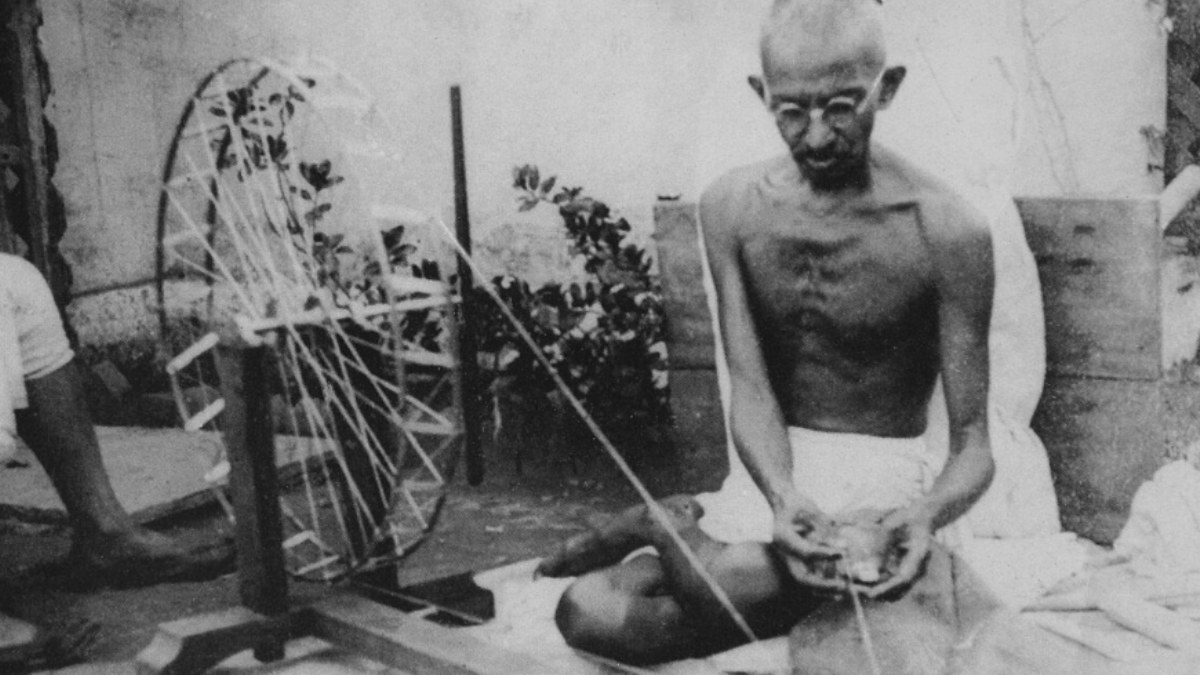
Fruits were among the foods Gandhi frequently ate. His diet at different times included grapes, oranges, lemons, mangoes and bananas but the exact foods and quantities changed based on the dietary experiments he undertook. He sometimes ate fruit-based or restricted diets for some periods as he tried different methods to keep up health and self-discipline.
Gandhi also ate vegetables and grains, but he preferred simpler foods. Rice, wheat-based preparations and vegetables would be part of a simple vegetarian meal. He generally believed food should feed the body without too much indulgence. And for him that simplicity was also in line with his entire lifestyle, more about discipline and self-sufficiency.
The other big part of Gandhi's diet was that of milk. Gandhi rejected cow’s milk and other animal-derived food and wanted to do his own diet. But after a few health problems he switched to goat’s milk. Goat’s milk came to be associated with his later lifestyle and is often mentioned in the history of his food habits.
Gandhi tried raw food, nuts and seeds. At different times, he tried very uncooked food and natural foods. He felt people should pay attention to how food is affecting their own body rather than eating to a habit or social custom. Such experiments were representative of a more general interest in self-observation and personal discipline.
His approach to food was closely connected to the idea of self-control. Gandhi felt that controlling one's appetite might help a person control other desires. For him, dietary discipline was the basis of a whole set of mental and spiritual restraint. He was a great writer on brahmacharya or self-control, and he linked control over food and the senses with personal discipline.
Another important principle is moderation. Gandhi did not advocate excessive eating even when food was healthy. He was always talking about eating only as much as necessary. And his meals were in general simple, and he preferred not to add unnecessary spices and elaborate preparations to them for many years of his life.
Gandhi’s food philosophy also reflected his interest in food and the relationship between food and society. His emphasis on locally available, simple foods was consistent with his overall philosophy on self-reliance and village-based production. And khadi, rural industries and local income was part of the same larger view of reducing dependence on imported goods and promoting sustainable local practices.
Gandhi’s dietary experiments should not be taken to be modern medical recommendations. Some of the restrictions and food practices he practiced were very personal and were developed through his own experiments.
The health science of modern nutritional science has evolved so much in the twenty-first century. So his diet needs to be understood in the context of his own beliefs, lifestyle and life experience and not as a universal health recommendation.
For Gandhi, food was much more than nutrition. It was an area in which he could exercise simplicity, restraint, experimentation and ethical responsibility. His willingness to change his diet after observing its effects also reflected his belief in continuous self-examination.
As Gandhi Jayanti 2026 is observed, his food habits provide a good perspective on the personal discipline that accompanied his public philosophy. His preference for simple vegetarian food, moderate portions and conscious eating was closely linked with a life based on restraint and self-awareness.
Hence, remembering Gandhi’s diet goes beyond the foods he ate. It gives an insight into how he tried to relate everyday choices to his larger principles. Whether discussing vegetarianism, simple meals, dietary experimentation or moderation, his relationship with food was part of his larger mission of living up to the values he hoped to uphold.