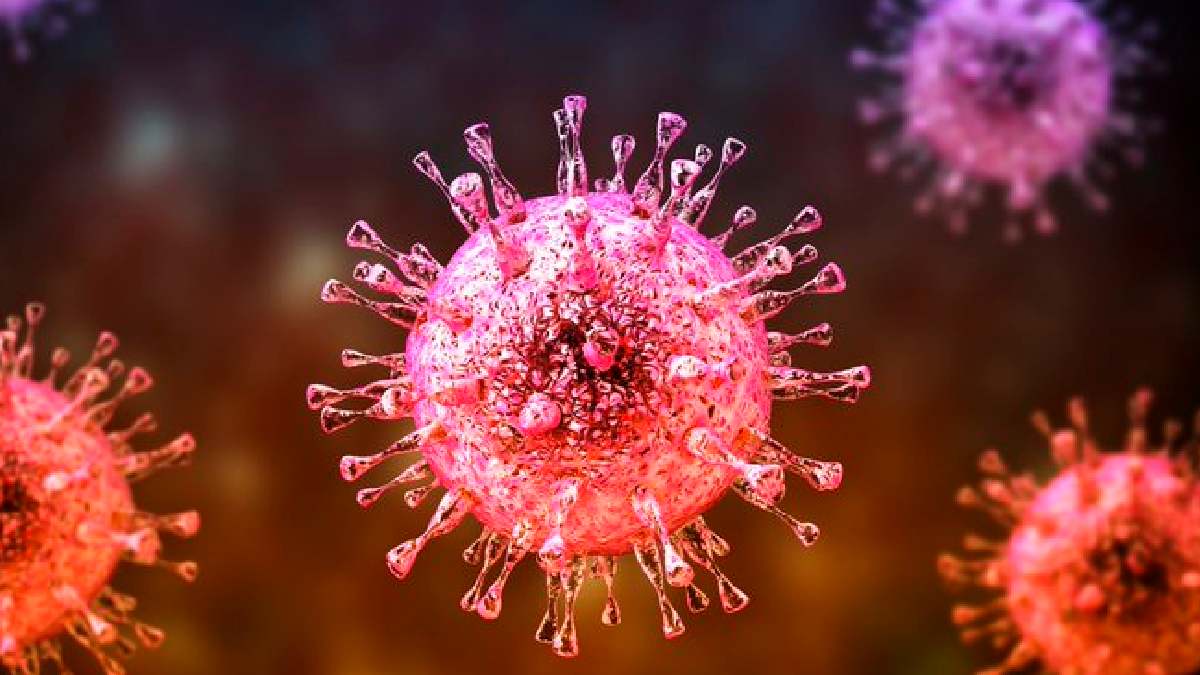
The number of H1N1 influenza (Swine Flu) cases in the Delhi-NCR region has been increasing with the monsoon season in full swing as doctors and health professionals are taking measures to keep the population safe and prevent it.
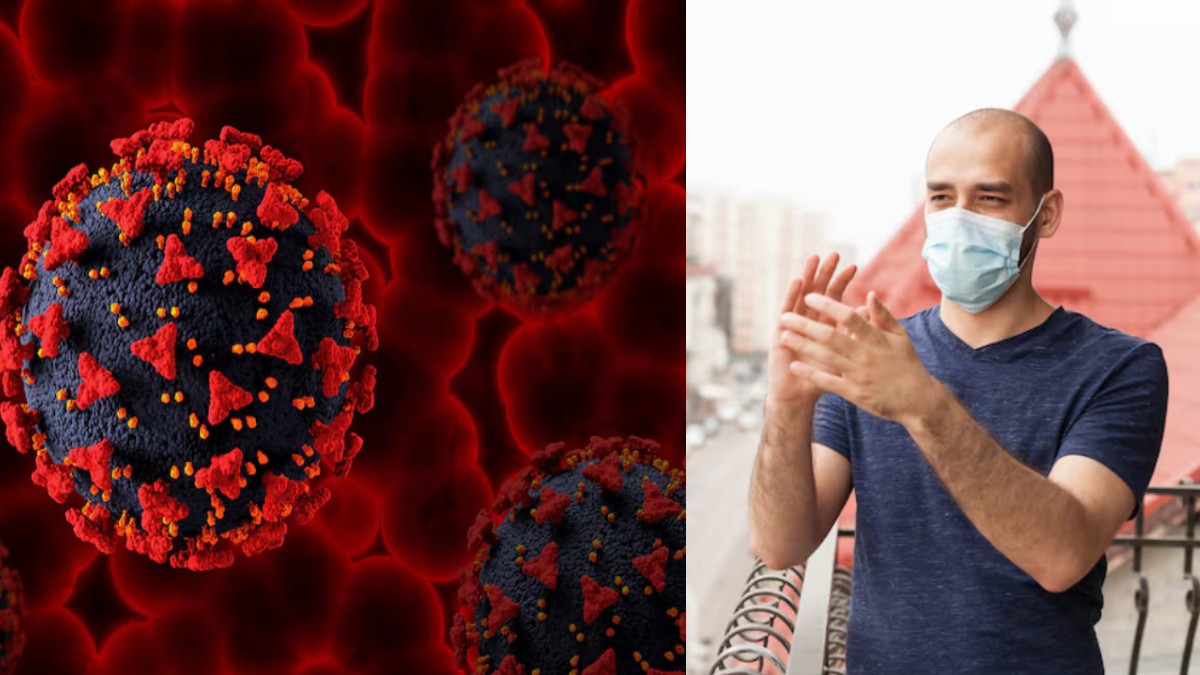
The cases of flu and other flu-like illnesses have increased in hospitals and clinics with fever, persistent cough, sore throat, body aches, fatigue, and nasal congestion. H1N1 is a seasonal influenza virus and is prevalent in the region, but medical experts say the monsoon season provides a more favorable environment for the virus to spread faster.
Monsoon showers, especially when people are indoors during the rainy season, because of high humidity, fluctuating temperatures, crowded indoor conditions, and close contact with people during rainy weather, according to doctors, are more conducive to the spread of respiratory viruses in droplets when an infected person coughs, sneezes, or even talks.
The virus can also spread when people touch infected surfaces and are unaware of the contact, and their eyes, nose, or mouth could be infected without washing their hands. Scientists say that despite the fact most healthy people get better quickly with rest, hydration, and proper medication, H1N1 poses serious health risks to some people.
Older people, children, pregnant women, and individuals with certain chronic diseases such as diabetes, heart disease, asthma, kidney disease, and weakened immune systems are at higher risk of developing serious complications like pneumonia and respiratory distress.
Doctors also advise them to go to the doctor immediately if the symptoms worsen or someone is having trouble breathing. One of the issues with H1N1 is that its symptoms are very similar to seasonal influenza and other viral infections that are common during the monsoon.
Fever, chills, sore throat, headache, muscle pain, cough, fatigue, and a tendency to vomit or have diarrhea in children are all common symptoms reported by patients. These symptoms usually overlap with several viral diseases, and doctors would recommend a medical evaluation rather than self-diagnosis. Doctors also note that antibiotics should not be used indiscriminately as H1N1 is a virus and not a bacterial disease.
Antibiotics are ineffective against viral infections unless there is evidence of a secondary bacterial infection. Early diagnosis and treatment with antiviral medication from a qualified doctor can reduce the severity of illness and lower the risk of complications.
Health officials note that the current increase in H1N1 cases coincides with a general monsoon disease season during which diseases such as dengue, malaria, chikungunya, leptospirosis, and viral fevers are also common. This is a serious problem because diagnosing and treating individual diseases are not the same. Doctors recommend that patients with persistent fever lasting several days, breathing problems, chest pain, confusion, severe weakness, or worsening symptoms be treated immediately rather than waiting for the disease to develop at home.
Prevention is still the most effective mode to stop the spread of H1N1. Medical experts suggest regular handwashing with soap and water; using alcohol-based hand sanitizers when washing facilities are scarce; covering the mouth and nose with a tissue or elbow when coughing or sneezing; avoiding close contact with sick people; wearing masks in crowded areas if experiencing respiratory symptoms; and maintaining proper ventilation in homes, schools, offices, and public places. People with flu-like symptoms should stay home and not infect others.
And it is not just physical protection but also a healthy lifestyle that is critical. A balanced diet rich in fruits and vegetables, drinking sufficient water, getting good sleep, and avoiding smoking is recommended by doctors, as all of these help strengthen the immune system. Influenza vaccination is also recommended for anyone who is at high risk of getting it, as it provides important protection against circulating strains.
Health authorities will be keeping an eye on Delhi-NCR, and hospitals are ready to handle seasonal influenza. Experts say there is no need for panic since most H1N1 infections are mild and recover with timely medical care. But better awareness, good hygiene practices, early diagnosis, and responsible public behavior during the monsoon season will be essential to slow the spread of the disease.
As seasonal influenza is still circulating, following official health advisories and seeking prompt medical consultation when symptoms appear will help protect individuals, families, and communities from the spread of H1N1 and other monsoon-related illnesses.