Delhi is seeing a sharp rise in the number of H1N1 influenza cases, putting seasonal flu back in the spotlight as monsoon conditions continue.
In the last two months this season, the capital has seen 1,344 H1N1 cases this season, compared to 229 cases last year.
The increase has brought home a key question for residents: “Should you get a flu shot now?”
H1N1 cases rise in Delhi
H1N1 is commonly referred to as swine flu, a type of influenza A. If an infected person coughs, sneezes or talks or is close to others, respiratory droplets will spread out.
Fever, cough, sore throat, body aches, chills, headache and fatigue are common symptoms. In some patients, the illness can become serious with breathing difficulty, chest pain or other complications.
Doctors also warn that flu symptoms can overlap with other infections that are circulating during the monsoon and medical assessment is crucial for severe or persistent symptoms.
Should you get a flu shot now
Vaccination is still one of the most effective ways to reduce the risk of influenza and its complications. Influenza vaccination is recommended annually by the World Health Organization for pregnant women, older people, healthcare workers and patients with chronic medical conditions.
Importantly, vaccination can still be beneficial even if the influenza rate is at an all-time high. WHO says vaccination during an influenza season can still help prevent infection, but it can take up to two weeks for protective immunity to develop.
But the decision to get vaccinated must take into account age, previous vaccination, medical conditions and the vaccine available locally. People with a history of severe allergic reactions to a previous flu vaccine or its ingredients should consult a doctor before vaccination.
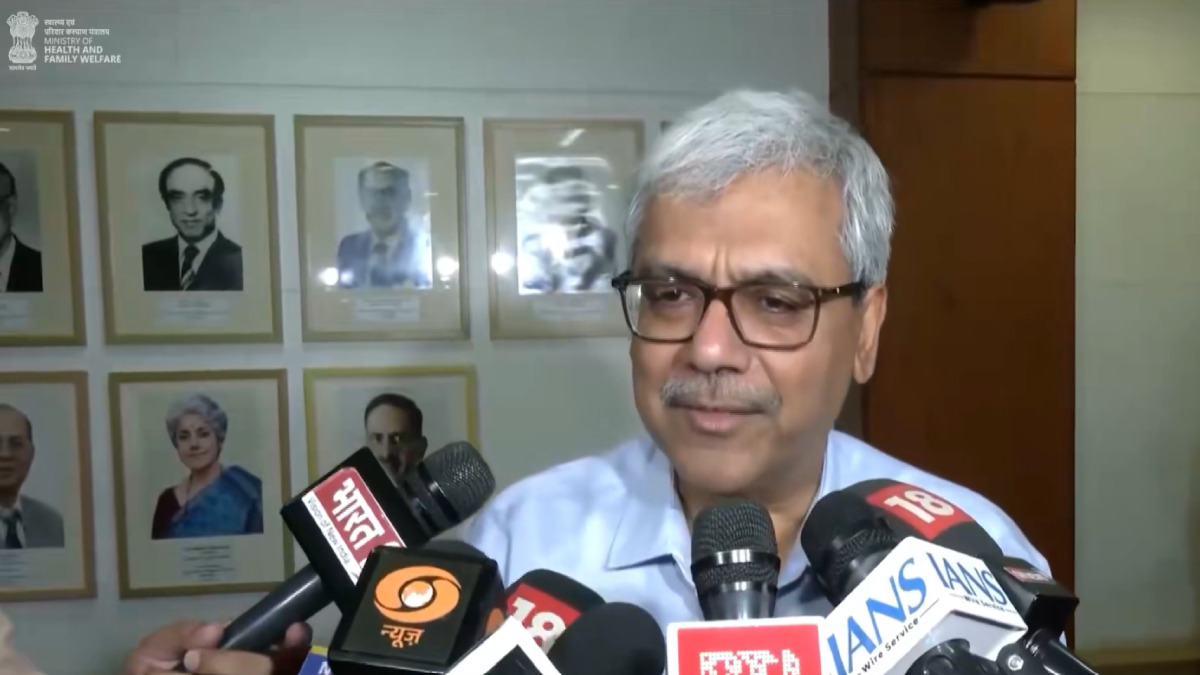
Delhi: On H1N1 cases, Delhi Health Minister Pankaj Kumar Singh says, "Patients are coming in and receiving treatment. Our doctors in Delhi government hospitals are treating patients properly, and we have made adequate arrangements in terms of medicines, beds, and ventilators" pic.twitter.com/pvIGKIIwuB
— IANS (@ians_india) August 11, 2026
Who should be particularly cautious
Older people, young children, pregnant women and those with chronic conditions and weakened immunity are more vulnerable to serious influenza complications.
And anyone with very severe breathlessness, chest pain, worsening symptoms, unusual drowsiness or other major warning signs should seek medical attention immediately. Delhi’s health advice also lists breathing difficulty and chest pain among symptoms that need urgent medical attention.
Vaccination is not the only precaution
Residents can also avoid transmission if they wash their hands regularly and cover up coughs and sneezes, avoid contact with those who are sick and stay home when unwell. Better ventilation and not being in crowded, poorly ventilated spaces can also reduce exposure risk.
H1N1 cases are up considerably in Delhi and residents of high-risk groups should talk about flu vaccination with a qualified healthcare worker rather than wait for symptoms to show up.
The vaccine is intended to prevent or minimize the severity of influenza but does not treat an already-existing H1N1 infection.