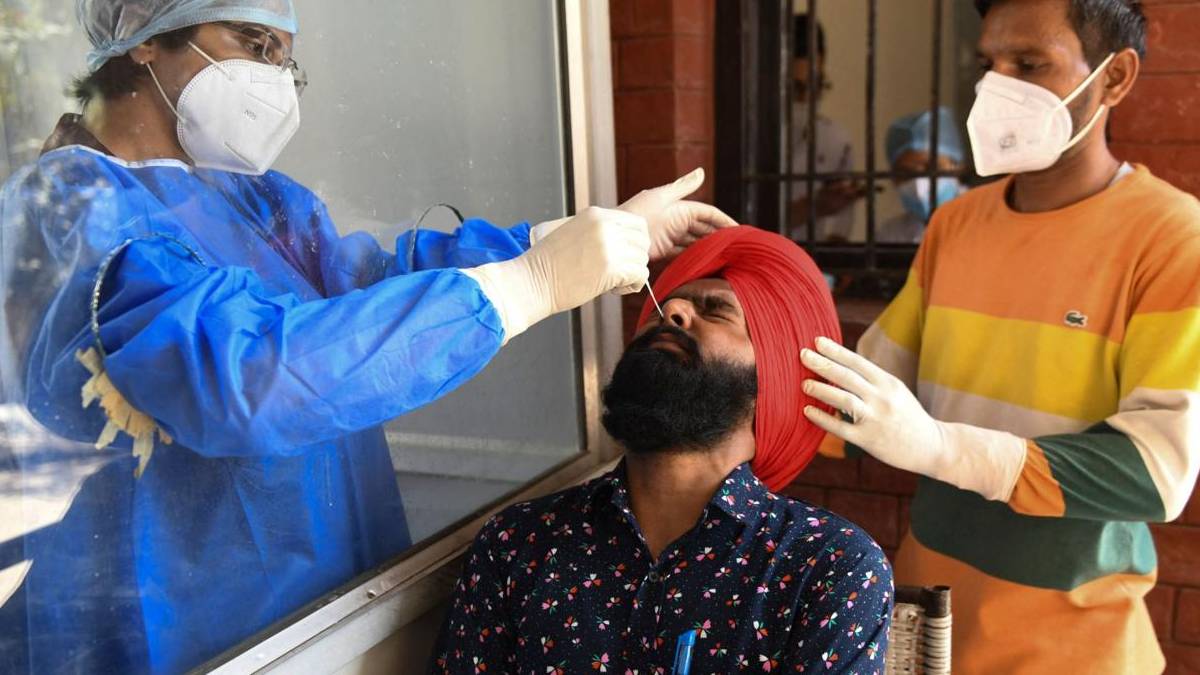
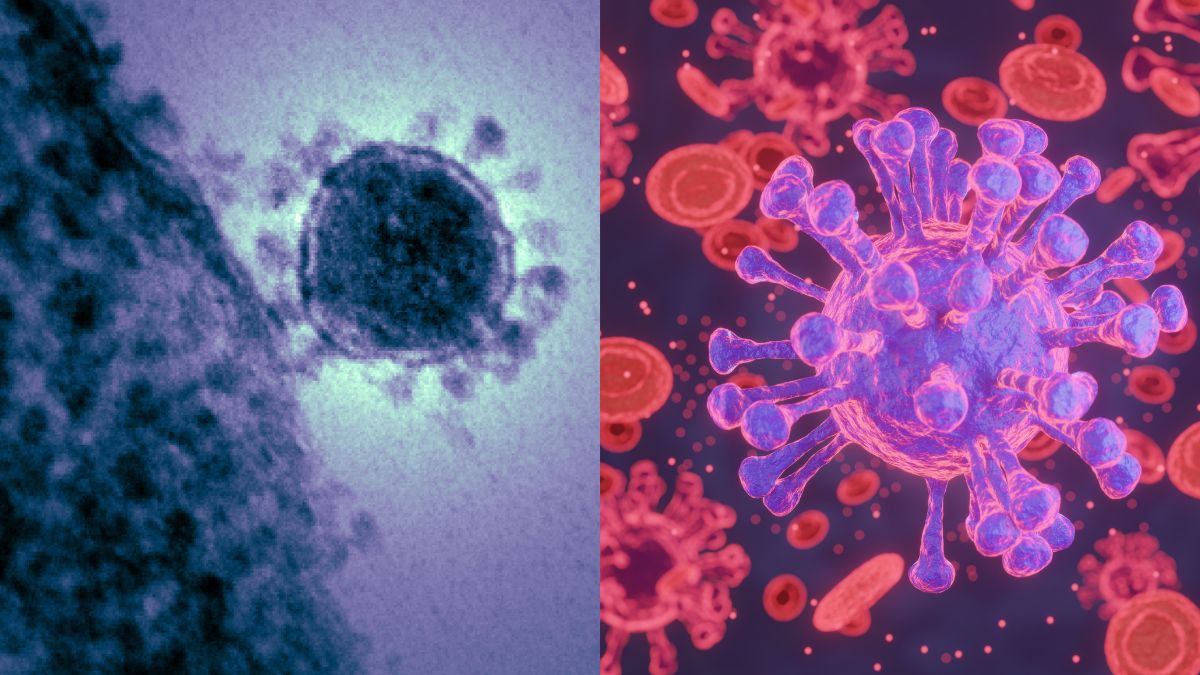
India is seeing a huge increase in H1N1, or swine flu, cases this monsoon season, with multiple cities reporting increased hospital admissions and respiratory infections.
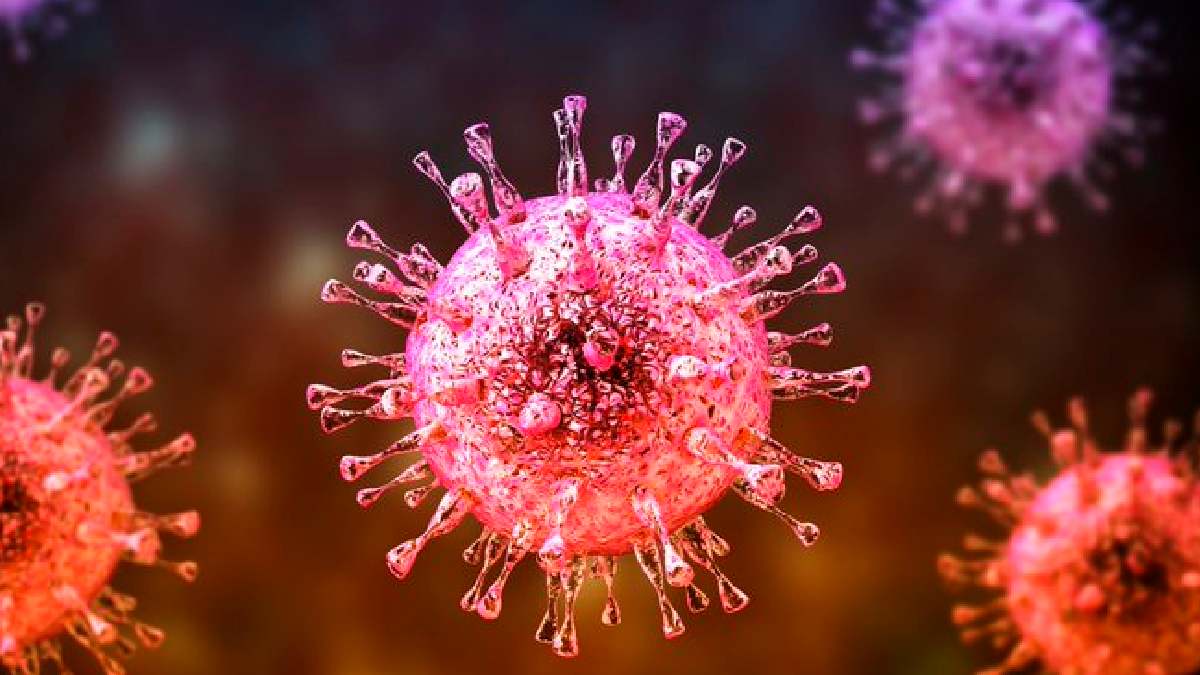
Delhi alone had 1,777 H1N1 cases by August 20, 2026, compared to 229 during the same period last year. Bengaluru and other cities have also reported rising infections.
The surge has raised an important question for people experiencing fever, cough and breathing problems.
Can H1N1 and COVID-19 occur together
Yes. A person can be infected with both influenza and COVID-19 at the same time. The World Health Organization (WHO) agrees that co-infection is possible since the two illnesses are caused by different viruses.
Testing positive for influenza does not rule out COVID-19, said the U.S. Centers for Disease Control and Prevention (CDC).

This is important since the symptoms may appear very similar. Both infections may cause fever, cough, tiredness, headaches, body aches, sore throat and other respiratory symptoms. The infection may not be identified based on symptoms alone.
Why is H1N1 rising in India
Health experts say the current increase does not seem to be linked to a new or unusually dangerous H1N1 strain. ICMR scientists have said that the circulating virus is the known H1N1 pdm09 strain and that the rise is consistent with seasonal influenza activity.
Monsoon conditions, humidity, crowded indoor spaces, and close proximity to neighbors help respiratory viruses spread. Doctors in Pune also reported an increase in severe influenza cases, including pneumonia and respiratory distress from H1N1-related pneumonia and respiratory distress.
What happens if someone has both infections
Co-infection does not mean every patient will develop severe disease. But having both viruses can increase the risk of complications, particularly in vulnerable people.
CDC clinical guidance notes that influenza and SARS-CoV-2 co-infections can be associated with more severe illness in hospitalized patients.
People with persistent high fever, breathing difficulty, chest discomfort, unusual weakness or worsening symptoms may need to seek medical attention immediately. Doctors might recommend testing for influenza and COVID-19 based on symptoms, risk factors and local circulation.
How can people stay protected
Basic respiratory precautions are still useful. Washing hands frequently, covering coughs and sneezes, avoiding close contact with sick people and staying home when unwell can reduce transmission.
Delhi health authorities have also advised people to wear masks in crowded places and seek medical advice when symptoms are very serious rather than self-medicating if they become serious.
The current H1N1 surge should be taken seriously without provoking panic. Yes, COVID-19 and swine flu can occur together and testing may be needed to distinguish them.
Anyone with severe or rapidly worsening respiratory symptoms should consult a healthcare professional.