Harish Rana has died at the All India Institute of Medical Sciences in New Delhi, India’s first person to be legally allowed to make passive euthanasia. His death is a watershed moment from the end-of-life perspective that it could speak in india’s debates about care, patient dignity, and medical ethics in many aspects.
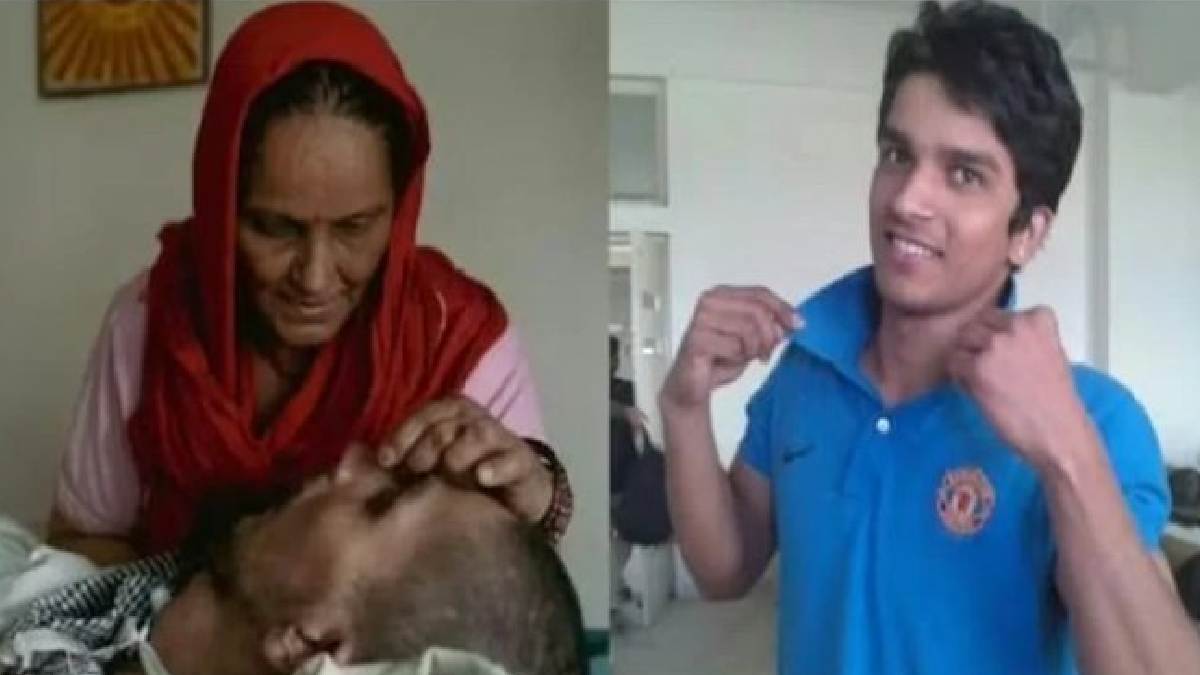
Harish Rana was at the centre of a longstanding legal and medical case after being given consent for passive euthanasia, the most serious type of euthanasia-the removal or cutoff of life-sustaining treatment in the hands of law. But after that he brought the cases of his patients in his hospital to the fore so much that it launched a national discussion about the dignity the dying can have.
A Landmark case for India
Passive euthanasia in India was granted by the Supreme Court (in 2018) which approved it in India. It recognized the concept of a “living will” of terminally ill patients, and allowed patients or families living independently to pull out of life support on some irreversible medical conditions.
Rana’s case proved to be the first to navigate such legal provisions. Medical boards and legal authorities studied his health status before approval was granted, fulfilling all the terms made by the Supreme Court that were the subject of his law.
Medical Condition and Treatment
With most of his patients' data kept private for privacy purposes, Rana had a severe but irreversible medical condition which has put him on life-support. Based on the legal and ethical frameworks of ethics made the decision through which there was passive euthanasia made to the doctors and family.
A AIIMS Delhi doctor conducted the whole process, and rules of conduct and a system which guided the treatment were adhered to in the case of the patient to have a clear sense of their dignity and comfort to be safe and satisfied were followed.
Ethical and Social Debate
Rana’s case has reopened these discussions across the country. They say passive euthanasia is a humane way to die for those who suffer long-term with no chance for recovery. It’s important for them to be there to survive out of life and to die with dignity, say.
Critics express great anxiety about the potential misuse of the program with a series of calls for a strict monitoring and for the program to be coercive and unjust if it could be on a very immediate and urgent basis. That’s a complex point of a very carefully developed one -compassion and ethics and, of course, moral police.
A Defining Moment
Harish Rana will be remembered in India’s medical as well as legal history. Indeed these cases illustrated that passive euthanasia, whether only through those tools or as a whole the roles and impacts of an individual’s independence and autonomy and ends-of-life policy are far more important to society at large than in our world of medicine itself.
Rana’s story should remain the major point in discussion of dignity in death as well as patients who die here in India’s health system and the legal system.