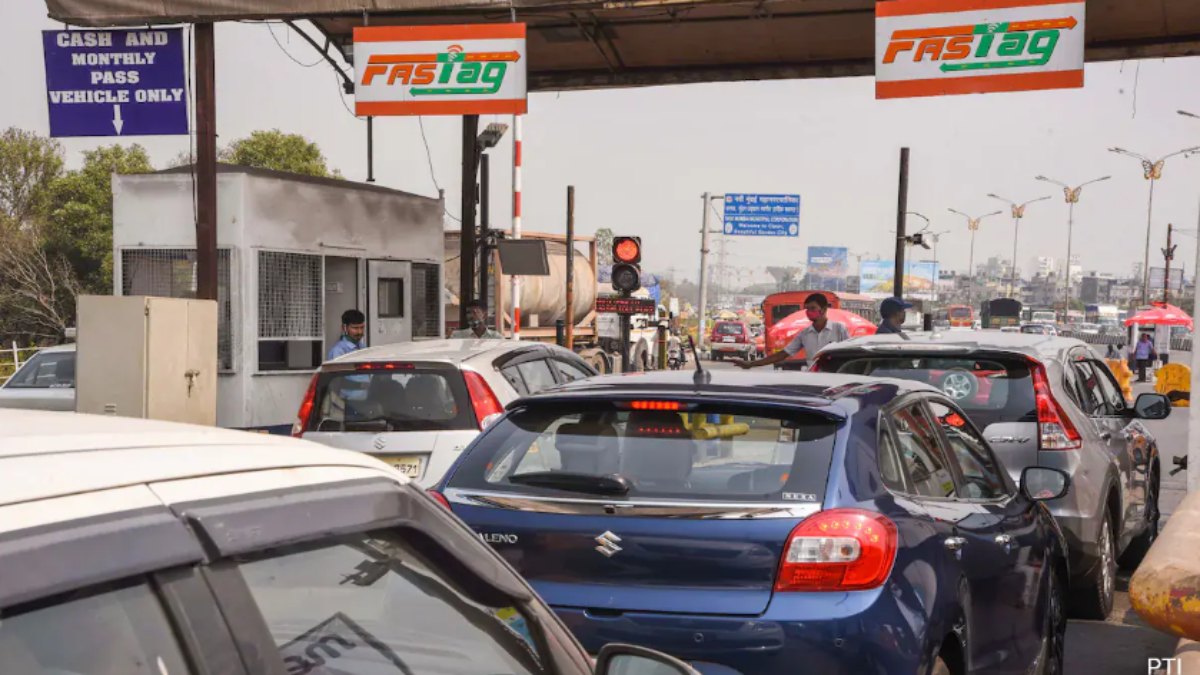
The Indian government has said motorists should avoid manually holding the FASTags while passing toll plazas, cautioning that repeated misuse would cause FASTags to be blacklisted and result in penalties. The latest caveat comes on the heels of increasing complaints from toll operators that motorists are going around the customary means by which electronic tolls are collected, leading to delays, congestion and operational problems at toll stations in India.
What Is the Issue?
The Government of India launched FASTag as a way to receive and collect contactless tolls using Radio Frequency Identification (RFID). The sticker is meant to remain permanently on a vehicle’s windshield, allowing toll plazas to automatically detect and deduct the toll amount.
But officials say many drivers are removing FASTags from their windshields and holding FASTags by hand outside the windows of vehicles as they enter toll gates. This has upended automated systems and undermined the intent of electronic toll collection, NHAI officials said.
NHAI Calls It a Violation
They say the highway authority has indicated that FASTags must stay properly fixed on their front windshield. The abused handheld FASTags can now be deemed a misuse of the system. Such behaviour may lead to tough measures, officials said, including:
- The FASTags can be blacklisted or disabled.
- Penalties for non-compliance.
- Delays at toll plazas.
- More scrutiny (at toll crossings).
The report stressed that tampering with and using FASTag technology incorrectly are reasons for issues in vehicle identification and transaction processing.
Why Some Drivers Use Handheld FASTags
Some motorists, according to reports, apparently take out FASTags from old cars and insert them temporarily into other cars in order not to have to buy new tags. Others hold FASTags by hand, some say, because damaged windshields or improperly arranged ones can obscure the scanner detector. But such practices violate FASTag use rules and potentially degrade toll collection systems, NHAI has said.
Impact on the Operations of Toll Plaza
FASTags carried by hand can obscure the detection of vehicles, so over time, the operator reports, people tend to slow down their traffic because of the difficulty in scanning them. This results in:
- Increased waiting times.
- Toll staff who do the manual work.
- Traffic congestion.
- Disputes at toll booths.
They said the FASTag system was intentionally designed to reduce long queues in cars and facilitate smooth travel on highways.
Advocate for 100% Digital Tolls
India, which accelerated the rapid roll-out of FASTags in the years leading up to the implementation of its digital highway infrastructure. The government has been pushing the FASTag, time and time again, to help:
- Reduce fuel wastage.
- Minimise cash transactions.
- Improve toll efficiency.
- Cut down travel delays.
The improper use of FASTags is detrimental to these goals, according to the NHAI.
Advice for Vehicle Owners
Motorists are advised to:
- Permanently paste FASTags on windshields.
- Do not pass FASTags between vehicles.
- Replace broken or illegible tags immediately.
- Keep the FASTags connected to a proper balance and active.
Authorities also warned that there are legal and verification issues with a FASTag used with a separate vehicle.
Strict Monitoring Ahead
NHAI officials said toll plazas may ramp up surveillance on suspicious FASTag use in the months ahead. According to authorities, the more sophisticated the electronic toll system becomes, the more critical the FASTag norm will be, as well as in the future, tolling devices based on GPS.
Those at the forefront of this latest warning need to realise that minor infractions of toll payment procedures no longer remain an option but now could lead to severe consequences for motorists travelling along the nation’s highways.