Sudha Dwivedi entered as any commuter on a humid morning at Chhatrapati Shivaji Maharaj Terminus (CSMT) and was soon walking into a packed Central Line local. Dressed in nothing but her bare basics, and weaving herself straight into the “Mumbai lifeline” rush, there was no reason to guess that the woman beside the two would launch a historic enforcement drive.
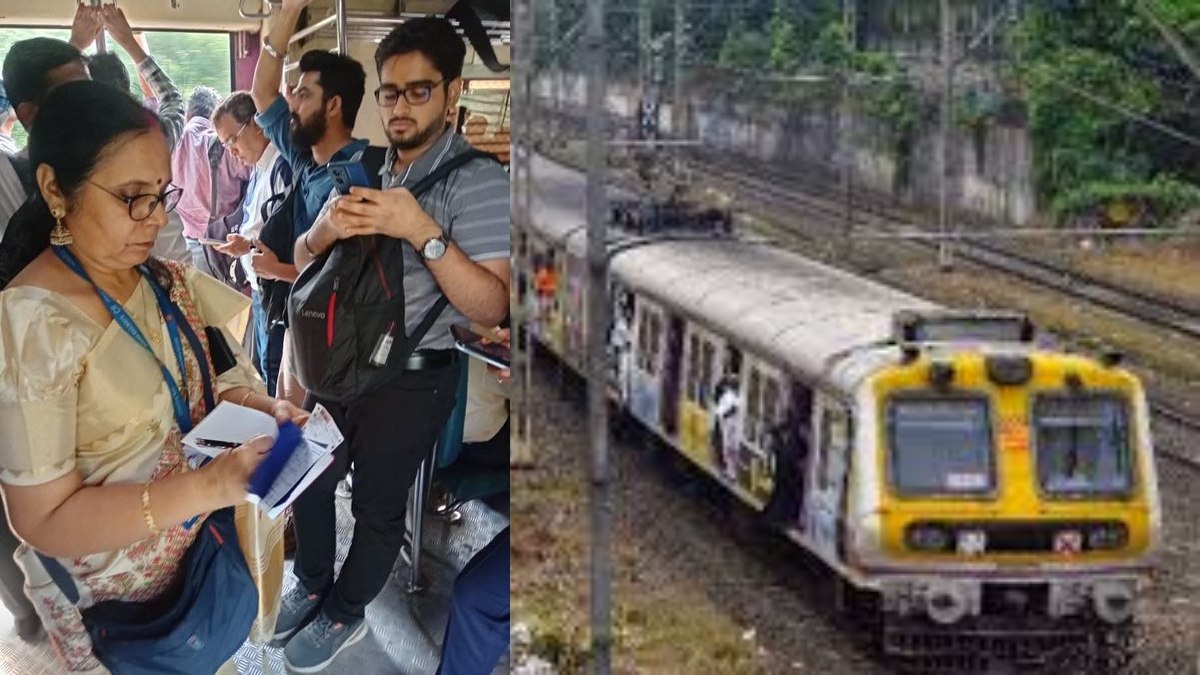
Now, as soon as she flashed that Head TTE (Traveling Ticket Examiner) badge, the mood of the compartment turned from humdrum to chaos. By the end of her shift, Dwivedi had accomplished a milestone that was rarely seen in the history of Mumbai’s suburban railway: 200 people fined and ₹55,000 in income collected in a single day.
The Stealth Operation
Whereas traditional ticket checking is all about a group of TTEs waiting at the station exit, Dwivedi’s tactics were all about surprise. Through her journey inside the coaches, she picked up "ticketless regulars" who scan the platform for white uniforms and then walk out.
- Total penalties (Total): ₹55,000
- The Count: 200 unauthorized passengers apprehended.
- The Impact: One person single-handed record of daily earnings for a single individual TTE on the Mumbai suburban network.
Sudha Dwivedi boarded the local, blending in like any other Mumbaikar. But once she flashed the Head TTE badge, chaos followed 200 people fined, ₹55,000 collected in a single day!
— The Nalanda Index (@Nalanda_index) March 4, 2026
Mumbai locals have never seen anything like this one day, one TTE, record-breaking revenue.
This… pic.twitter.com/aRl5dK4hAF
Cheap Tickets, Costly Risks
The collection of fines by Dwivedi illustrates a grim and perplexing irony of the local Mumbai system. Despite the suburban railway affording some of the cheapest transit fares in the world all the way down to ₹5 a huge segment of the populace still seeks out travel routes without a valid permit.
For some, the "thrill" of saving five rupees leads to a harsh penalty of 50 to 100 times the original price of the ticket. The crackdown on Dwivedi showed that the perpetrators were not merely the economically disadvantaged; they comprised office-goers, students and well-dressed professionals who didn’t think that they would be caught in the crowd.
A Message to the "Lifeline"
News of Dwivedi's relentless drive has also been passed around via commuter WhatsApp groups and social media. Her "one-woman army" approach has been hailed by railway officials as the No. 1 deterrent to the free-riding culture. “It’s not just about the money; it’s about the discipline,” a senior Central Railway official said. “If only one officer can find 200 people in a day, we see through the “crowd cover,” so this is no longer a shield for ticketless travel!”
The Road Ahead
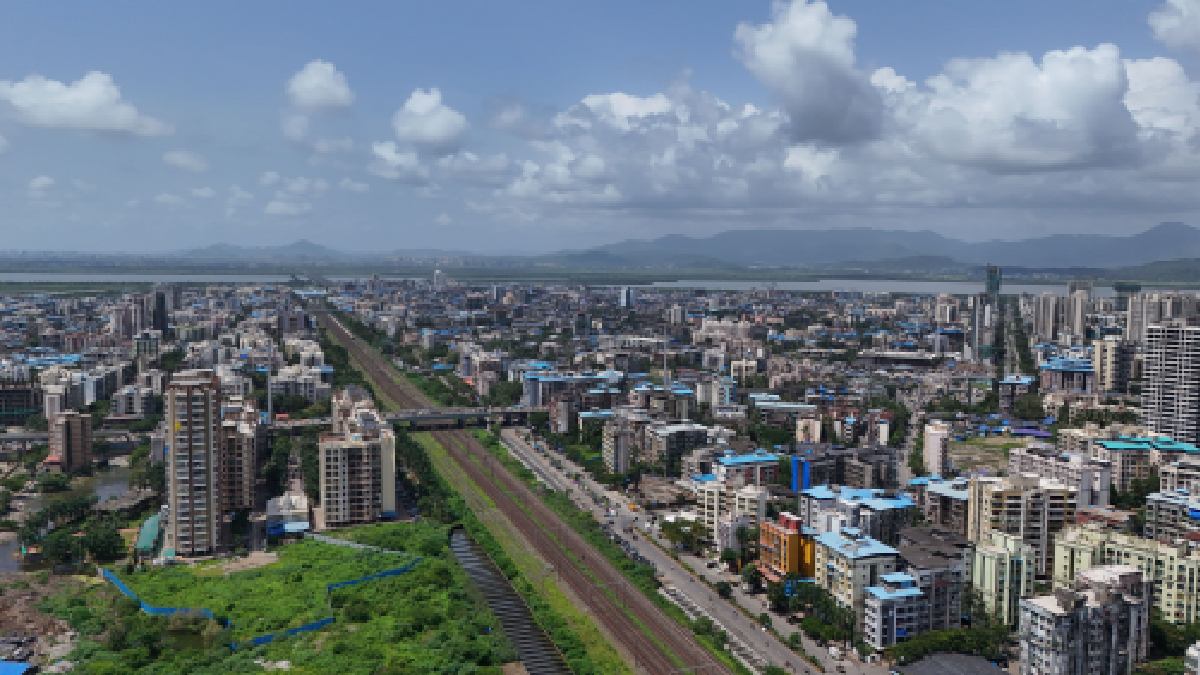
As the Mumbai railway network gets bigger and more AC locals and infrastructure, the ticketless revenue lost still stands as a real hardship. Sudha Dwivedi’s time-honored day becomes a vivid reminder to Mumbaikars: the woman next to you in the packed second-class compartment might very well be the one holding the fine book.