Human Papillomavirus (HPV) vaccination has become one of the health topics most talked (and most often discussed) about early in 2026. The vaccine is recognized for preventing cervical cancer, a disease that affects millions of women globally. Recent government initiatives most notably in India have driven the topic into the forefront, generating interest and public awareness around the world.
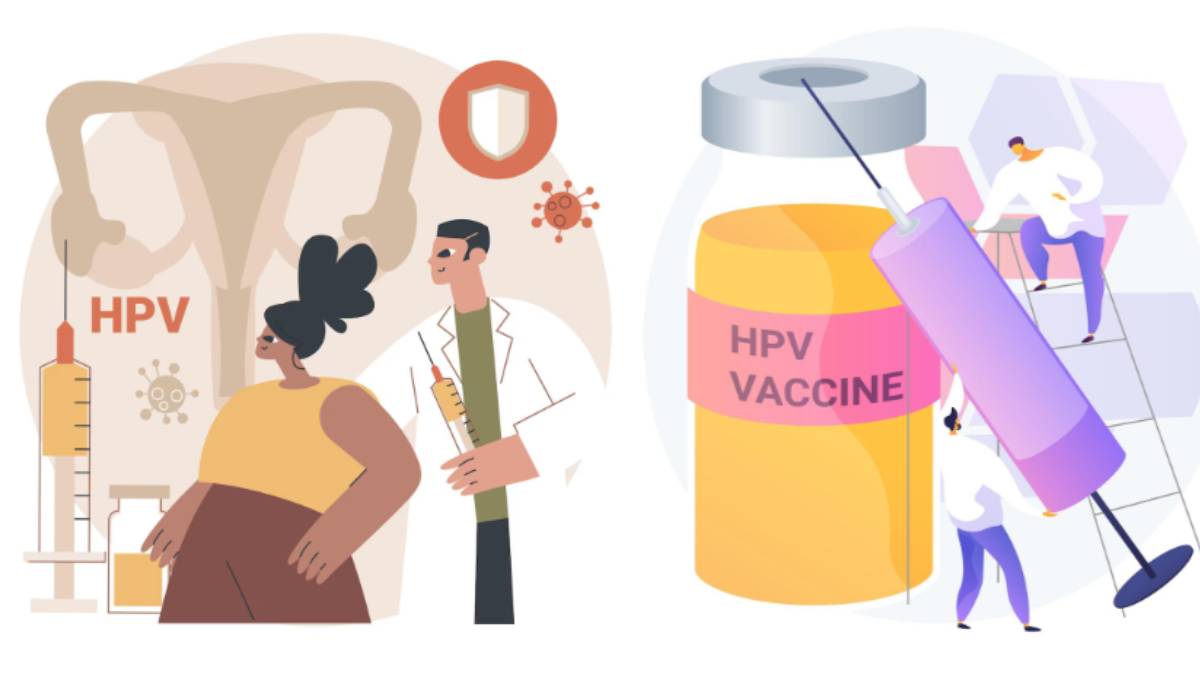
“HPV vaccination” search has continued to go up. People worldwide are seeking information around safety, side effects and effectiveness. The interest tends to peak during awareness months like January’s Cervical Cancer Awareness month and any time new health policies are announced. Countries such as the Philippines, Kenya and Australia have strong search traffic, tracking those for new vaccinations.
Most searches occurred between 24 and 25 February 2026 when the Indian government announced a nationwide campaign for HPV vaccination. Under the “Swastha Nari” program, free vaccines will be provided to girls aged 14 years at government health facilities. It is among the world’s biggest preventive health campaigns. For the time being, parents, educators and health care workers have been seeking in Google for information. Top searches were for “HPV vaccine age limit in India,” “single‑dose HPV vaccine effectiveness” and “cervical cancer prevention.” Notably, states such as Maharashtra, Karnataka, and Delhi had the greatest interest, showcasing active awareness campaigns in that region.
Together with the rollout people are also searching for:
- Medical safety: “Is HPV vaccine safe?” and “Side effects of HPV vaccine.”
- Price and availability: “HPV vaccine price in India” and “Free HPV vaccination program.”
- Global comparisons: What it looks like in India in relation to UK, US, and Australian vaccination policies.
The steady stream of interest in search proves, once again, that HPV vaccination isn’t just a punchline. The article captures a trend toward increased public participation in preventative health care. India’s large‑scale rollout will be a model for others, particularly those that have high rates of cervical cancer. By ensuring that the vaccine is free and accessible, the government is tackling both awareness and affordability.
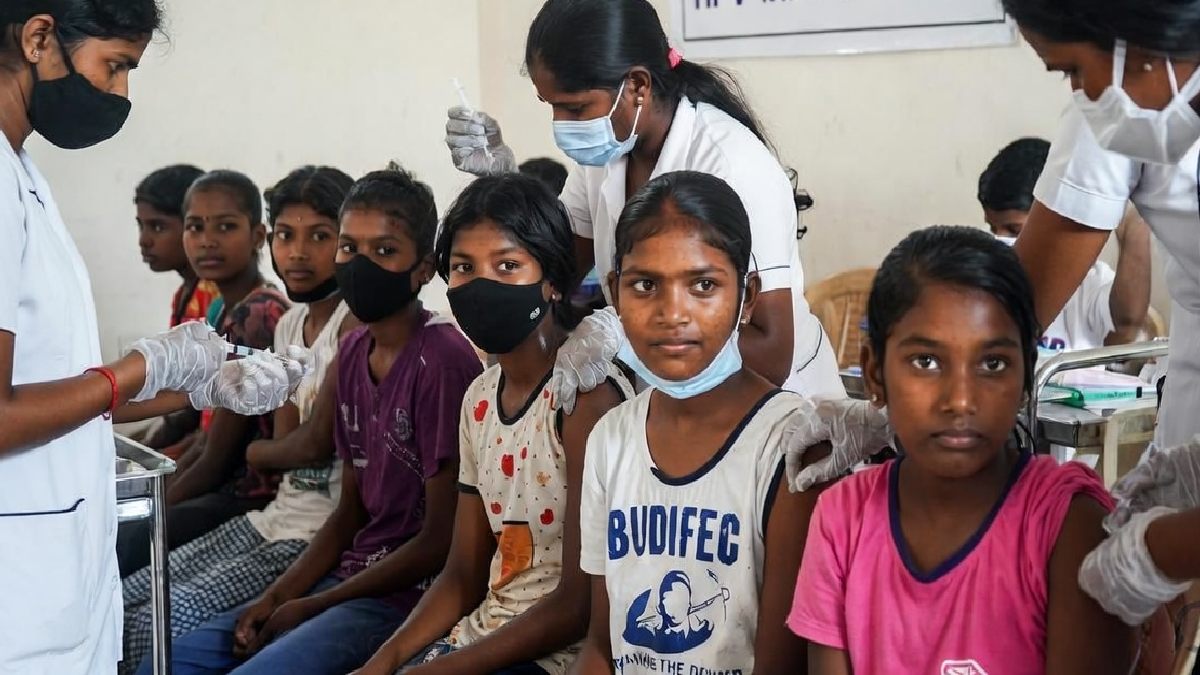
HPV vaccination has been becoming a trend globally, but India’s daring move has made it a leading topic of discussion in February 2026. An increase in Google searches also showcases how health policy can capture public curiosity and drive people to search for reliable information. As more countries implement their vaccination programmes, the worldwide discourse on HPV prophylaxis would become even stronger.