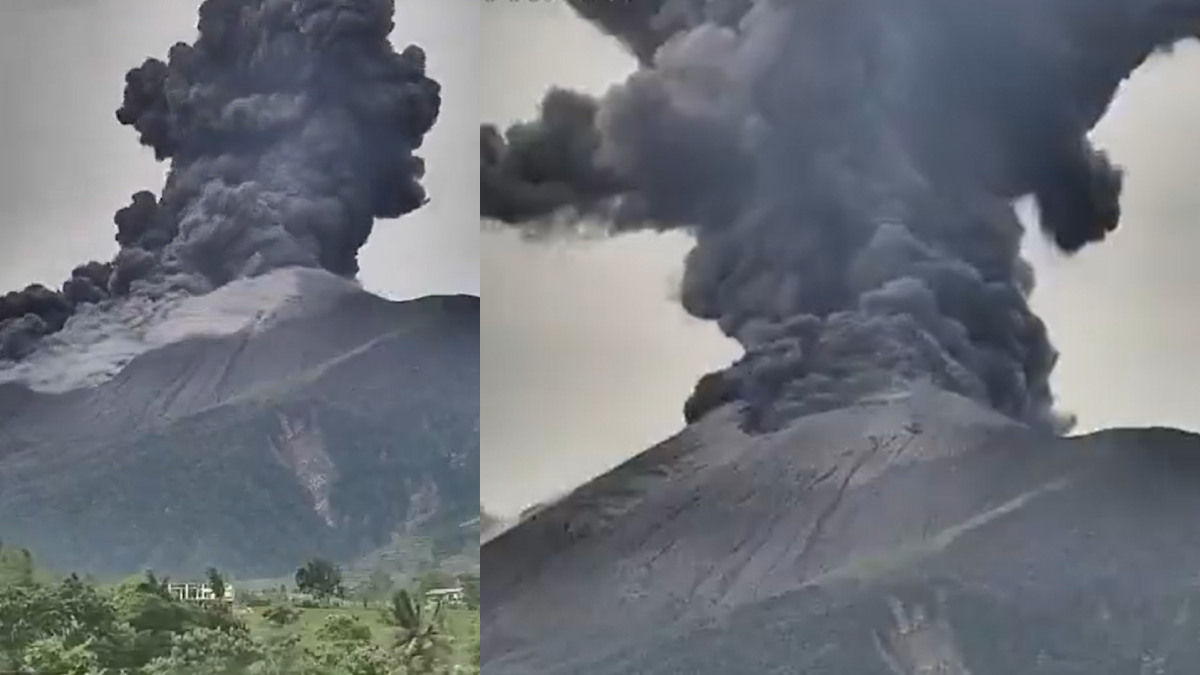
One of the most terrifying volcanic eruptions in recent memory, the Hunga Tonga-Hunga Haʻapai volcano erupted violently in the South Pacific, ripping the ocean’s surface sharply into two and depositing this giant puff of ash, steam and gases into the atmosphere.
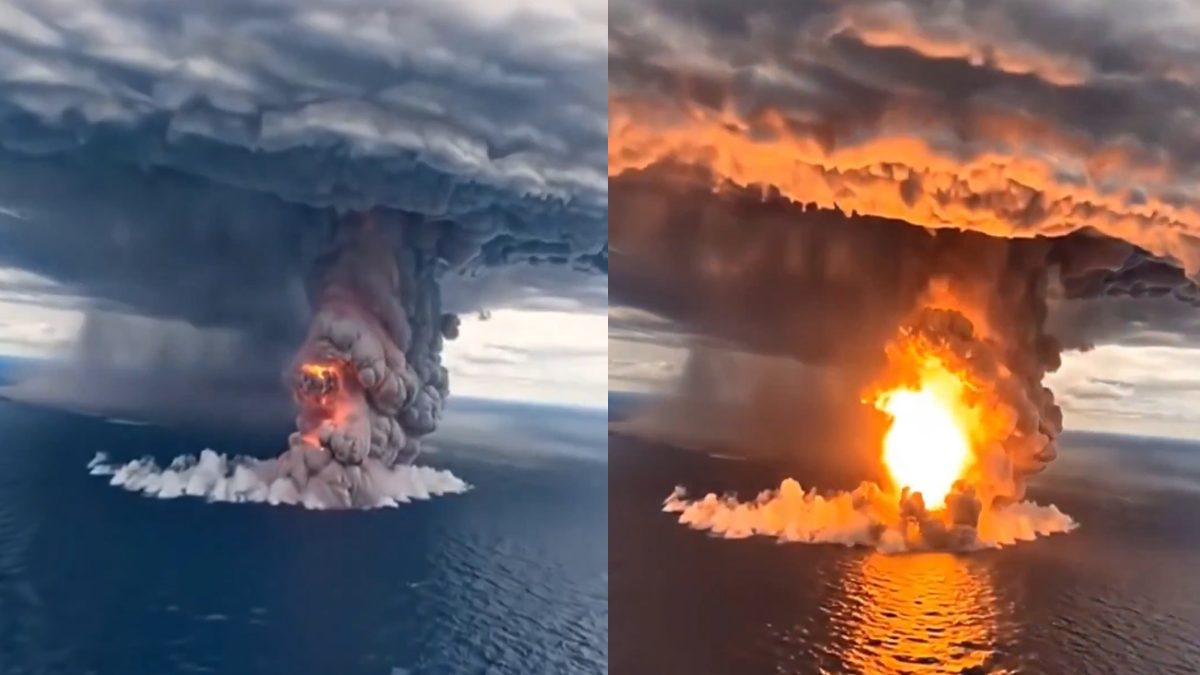
Near the island nation of Tonga, the underwater volcano exploded spectacularly. That eruption belched a giant vertical column, appearing as an explosion tens of kilometers above the surface and visible from space, and drew international notice. The large-sized mushroom-shaped cloud appeared across the area rapidly on satellite images.
The eruption came out strong enough to enable shockwaves to pass through a large swath of land after it had erupted. Several hours after, people in sections of the Pacific region who lived in multiple countries described the deafening sound of sonic booms and a pressure wave produced by the explosion. Subsequent scientists have established this, and the atmospheric shockwave struck the Earth more than once something quite uncommon for such large eruptions.
Güney Pasifik'in derinliklerinde, Tonga yakınlarında, okyanus yüzeyi açıldı.
— Zeynep Koloğlu (@zeynepkologluu) April 20, 2026
Hunga Tonga-Hunga yanardağı olağanüstü bir güçle patlayarak, kilometrelerce yüksekliğe dikey bir kül, buhar ve volkanik gaz sütunu fırlattı. pic.twitter.com/RyL9AKNYRx
This forced huge jettisons of water from the volcano out of the area with high tides and waves that caused tsunami impacts across marine life all over the Pacific Ocean. Waves overwhelmed infrastructure and houses from flooding striking coastal regions of Tonga. Countries like Japan, New Zealand and some of the Americas similarly posted warnings after waves and higher seas were feared by authorities.
The eruption is deeply damaging to the environment. The volcanic ash leached in unprecedented volumes across islands around the volcano, disrupting water supplies for drinking and agriculture. Tonga’s communications networks were also badly disrupted, and it was difficult in the immediate aftermath to measure the damage.
That has led scholars to describe the eruption as one of the biggest of the 21st century, energy and atmospheric-wise. It blasted huge volumes of water vapour and volcanic gases into the stratosphere, which could affect weather worldwide in the short term. This eruption attracts researchers to study it because it is extraordinary underwater.
And because submarine eruptions release steam from seawater, they can be triggered fairly quickly, so the steam can be produced more rapidly, which may make them more explosive than land volcanoes. It is this interaction that helps explain why the Hunga Tonga-Hunga Haʻapai eruption was powerful.
By learning from these various events, the researchers received invaluable information on volcanic activity, explored the correlation between volcanic activity and climate change, and prepared for natural disasters in case of calamity. What we would probably say this tragedy brought catastrophic effects to island countries to overcome would similarly be emphasized here.
Yet in recovering Tonga, the eruption still is battling, and is a great reminder of the enormous pull of nature and the remaking forces of geology that are remaking the deep core of our Earth under ocean conditions.