This incident in Hyderabad, one that has made people angry in terms of stigmatisation, mental disorders and criminalisation, brought attention to the point. A 24-year-old woman who committed suicide reportedly committed it after being forcibly injected with blood by an HIV-positive man she’d rejected earlier.
The accused, Manohar, a relative of the victim, had also expressed the intention to be the bride for the victim. The two families at first were said to have been receptive to that proposal. But the situation shifted when the woman’s father started wanting a medical check before the marriage was contracted.
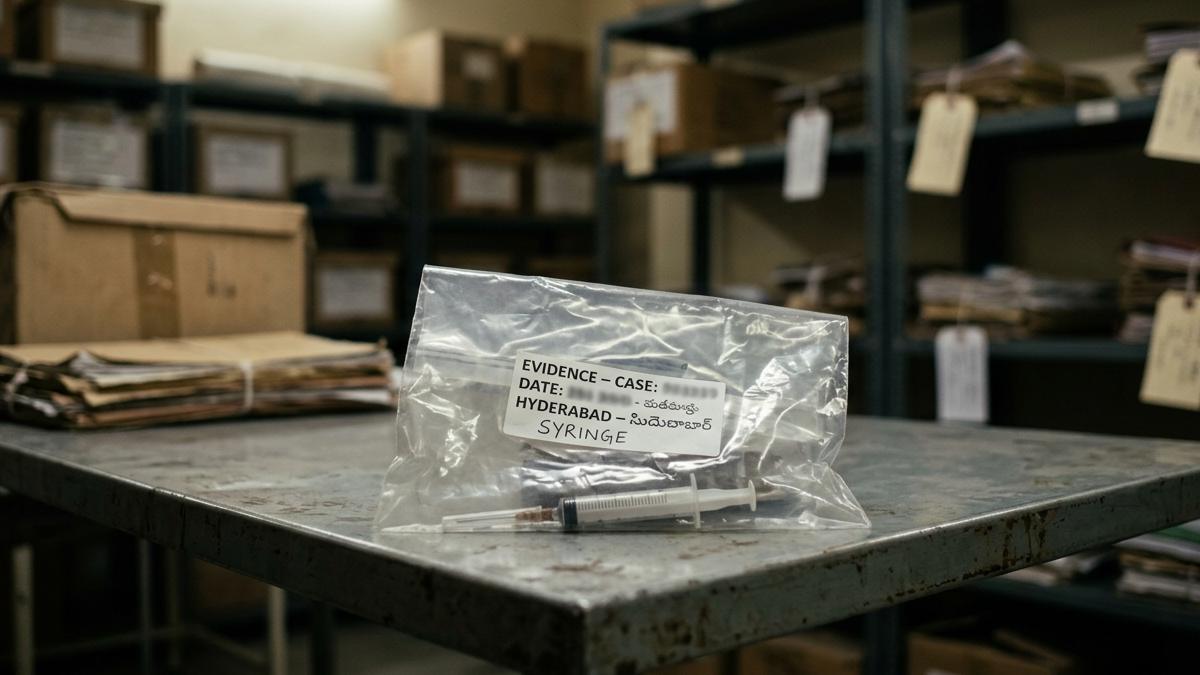
They called the marriage off at her recommendation, since the medical report indicated Manohar was HIV-positive. The accused, furious at the rejection, was believed to intend a shocking act of revenge. On March 11, Manohar is said to have sucked his blood through a syringe and forcibly injected it into the woman.
Investigators said he planned to infect her, making sure that she would shut him out of friends and have to marry him. The woman reportedly developed fever-like symptoms afterwards, leading her family to seek medical help. Doctors later diagnosed that she had not contracted HIV, a temporary relief for her family.
But the social implications were cataclysmic. The incident was promptly reported in her community, creating stigma and alienation. Friends are believed to have become distant; relatives began being cruel to her in remarks about her health and behavior. The woman became extremely upset after not handling intense psychological stress and social disapproval.

Although she was medically unharmed, the emotional trauma and social rejection had crippled her mental health. Sadly, she committed suicide at home. And in a poignant suicide note, she said she apologized to her mother, added that she could no longer live in a society that had condemned her.
She wrote about the pain, loss of dignity and disrespect that had come with her life. They arrested him and have registered a case. He is currently being processed in the courts in addition to other investigations. The deadly reality of the spread of misinformation and stigma around HIV though the incident itself helped prove it, was already being compounded.
Health professionals warn that HIV is not spread through casual contact, and awareness is a key factor in avoiding discrimination. And if the law will be a blow against the accused, the social stigma and isolation of the victim resulting in a move that extreme will not be ignoreable. Communities must be empathic, help victims of trauma, and do not perpetuate unvalidated or harmful narratives, officials say, nor health care professionals more generally.