New Delhi: IIT Delhi has emphasized that it has mental-health, academic assistance and grievance redressal tools for its students as protests continue on campus following the death of 31-year-old MSc Physics student Rishikesh Kumar. This is as students call for an investigation to be conducted independently and more accountability and more protection for students in the name of student welfare.
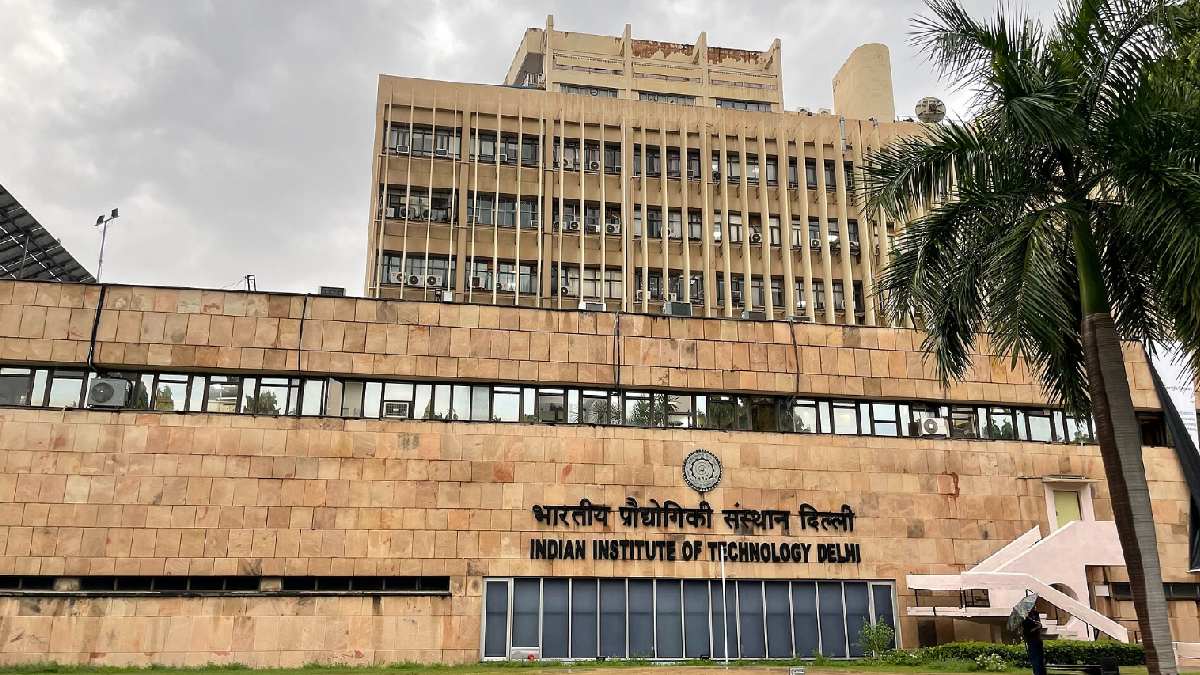
Kumar’s death last week led to protests from more than 500 students and protesters to express concern about his academic and hostel challenges and the support he received after coming to campus following mental-health treatment. Students are looking for an independent investigation that will look into the institution’s response to his problems.
Against this backdrop, IIT Delhi has sought to highlight the various support mechanisms for students. The institute says mental-health services are available 24/7 and counsellors and psychiatrists are available to students. It has also mentioned collaboration with mental-health professionals from AIIMS and VIMHANS.
With help from the institute, students seeking external mental-health treatment are entitled to full reimbursement. IIT Delhi has also cited an emergency response protocol designed to address urgent situations, and Academic Unit Wellness Committees to facilitate academic departments’ support.
The institute also has highlighted its UG Buddy programme, which was expanded in 2025 to include postgraduate and international students. Wellness programs have also included yoga and meditation modules with the National Resource Centre for Value Education in Engineering. IIT Delhi said such wellness-related efforts have been part of its overall student-support approach for several years.
Academic Reforms And Support For Students
IIT Delhi also pointed to academic reforms that have recently been implemented, saying they’re aimed at reducing pressure and giving students a bit more flexibility. With this 2025 curriculum, first-semester credit requirements were cut and life-skills courses were introduced.
The institute said first-year departmental classes have been limited to between 30 and 60 students and weekend exams have been reduced. Students have been allowed more flexibility in how they pass their academic credits. Another big change came in the 2024-25 academic year when IIT Delhi removed the minimum CGPA requirement for getting a B.Tech degree.
For students who have academic difficulties, the Academic Progress Group has been offering evening tutoring and help clearing credit backlogs since 2023. The institute also described how students can interact with faculty members through open-door office hours, project guidance, semester-wise meetings and Class Committee feedback.
The Student-Teacher Interaction Council (STIC) conducts semester-level interactions, and student concerns and representation are also addressed through the Student Affairs Council and the Cocurricular Academic Interaction Council.
Multiple Channels For Student Grievances
IIT Delhi has said students have access to several grievance mechanisms. A centralised ERP-based portal allows complaints to be registered and tracked through reference numbers while other channels include the Board for Student Welfare, hostel wardens, specialised SC/ST and OBC cells and the Internal Complaints Committee.
The institute has also highlighted confidential counselling channels for students who may be resistant to using traditional complaint mechanisms. Its Office of Diversity and Inclusion has been conducting accessibility and non-discrimination programmes since 2022.
Fresher induction programmes, including the Initiative for Gender Equity and Sensitisation, Initiative for Caste Equity and Office of Accessible Education, also address bias and discrimination. The programmes cover issues related to caste, gender, language, region and ethnicity.
Inquiry Panel Reconstituted
The administration’s response has come alongside the decision to re-establish the external inquiry panel to investigate Kumar’s death. IIT Delhi has appointed retired Delhi High Court judge Justice Mukta Gupta as the chairperson of the new panel.
The panel also includes Professor Pratap Sharan, head of the Psychiatry Department at AIIMS, as well as students and the IIT Delhi Registrar. The reconstitution followed protests against the composition of the previous committee and their demand for a more independent inquiry.
Kumar’s death is likely to be the focus of the inquiry and concerns are raised about his academic, hostel and welfare problems.
Students Continue To Demand Accountability
For all the emphasis IIT Delhi has given on its support infrastructure, protests have continued as students feel that for Kumar’s case the systems were not enough. Protesters have particularly focused on whether his concerns were addressed and what institutions did when he requested help.
The institute has maintained that Kumar’s requests for semester withdrawal were approved and that he received treatment and support. But students have asked to see that the sequence of events and university officials are more involved.
On the other hand, Delhi Police has registered an FIR for abetment of suicide and has started its investigation. The police and the institute's external investigation will be able to determine different aspects of the circumstances of Kumar's death.
Students continue to have difficulties in getting their needs met in the educational setting so as IIT Delhi has stated that student welfare and mental well-being are “absolute priorities.” The institute has said it is going to keep building out its support system but students are calling for more information and more accountability and concrete measures to guarantee institutional safeguards are successful for students dealing with academic, personal or mental-health problems.