Now that residents in North India were preparing to put away their heavy woolens, the India Meteorological Department (IMD) has issued a new warning: the cold wave is far from over. A strong combination of active Western Disturbances and frigid north-westerly winds is set to send the temperatures crashing across the northern plains and Himalayan belt.
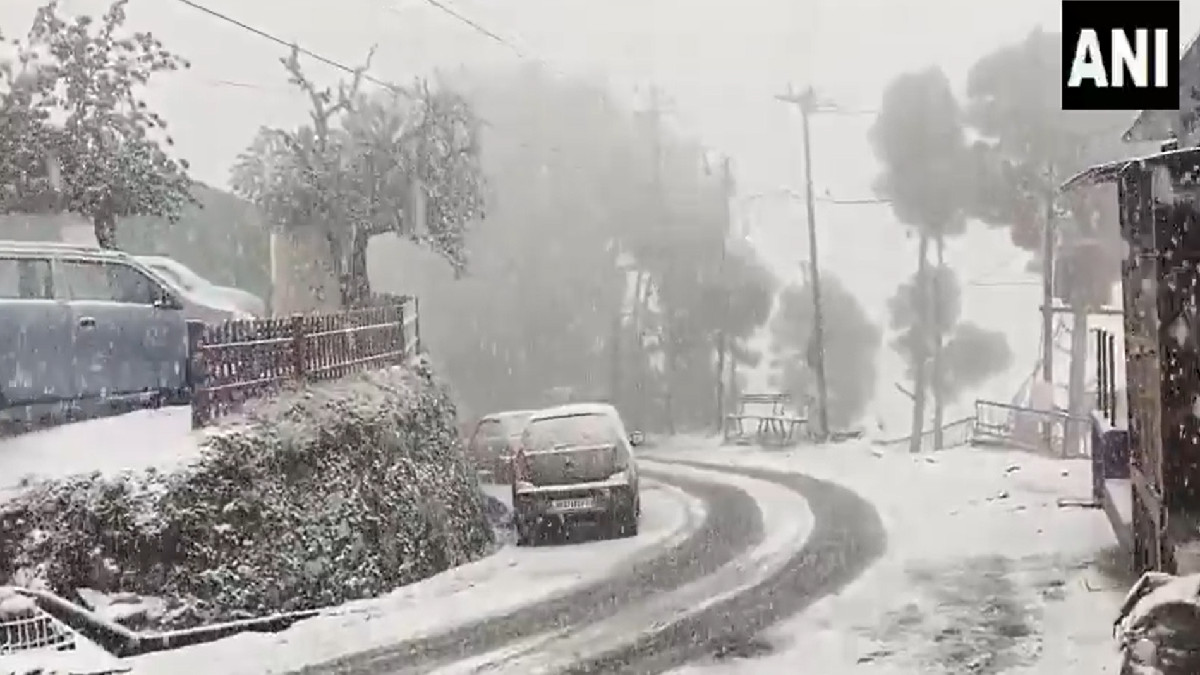
Snow-Clad Peaks and Drenched Plains
The shift in weather is driven by an intense Western Disturbance which has already begun blanketing the higher reaches of Jammu & Kashmir, Ladakh, and Himachal Pradesh with heavy snow. The first major snowfall of the season was recorded in some of Shimla and Manali on Friday, ending the region’s long dry spell.
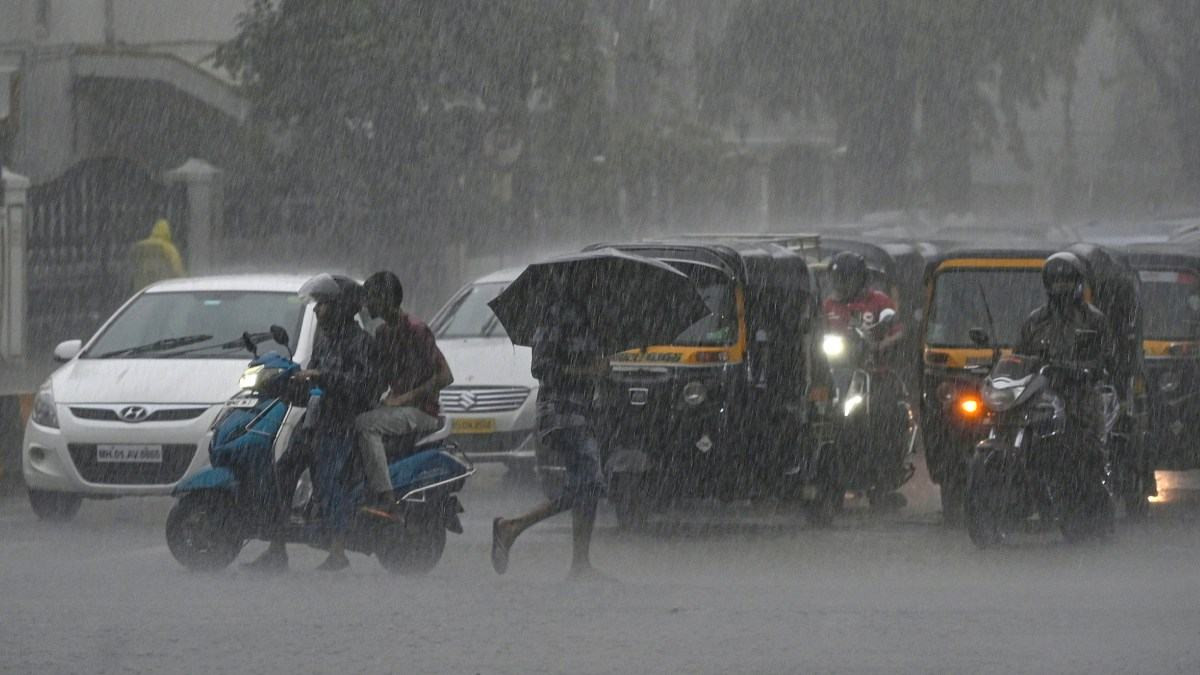
The consequence has been felt also across the plains. Delhi-NCR recorded its highest single-day January rainfall in three years on Friday with 13.2 mm of rain and gusty winds. In some places this has "locked in" the cold, closing the difference between maximum and minimum temperatures to only 2 degrees.
IMD Forecast: “Big Dip” Expected
According to the latest IMD bulletin, the mercury is expected to drop by 3°C to 5°C over the next 48 to 72 hours.
The Plains: People in Punjab, Haryana, and Rajasthan are on high alert for “Cold Day” conditions. Though night temperatures had remained relatively warm thanks to cloud cover, the clearing of skies will allow for rapid cooling.
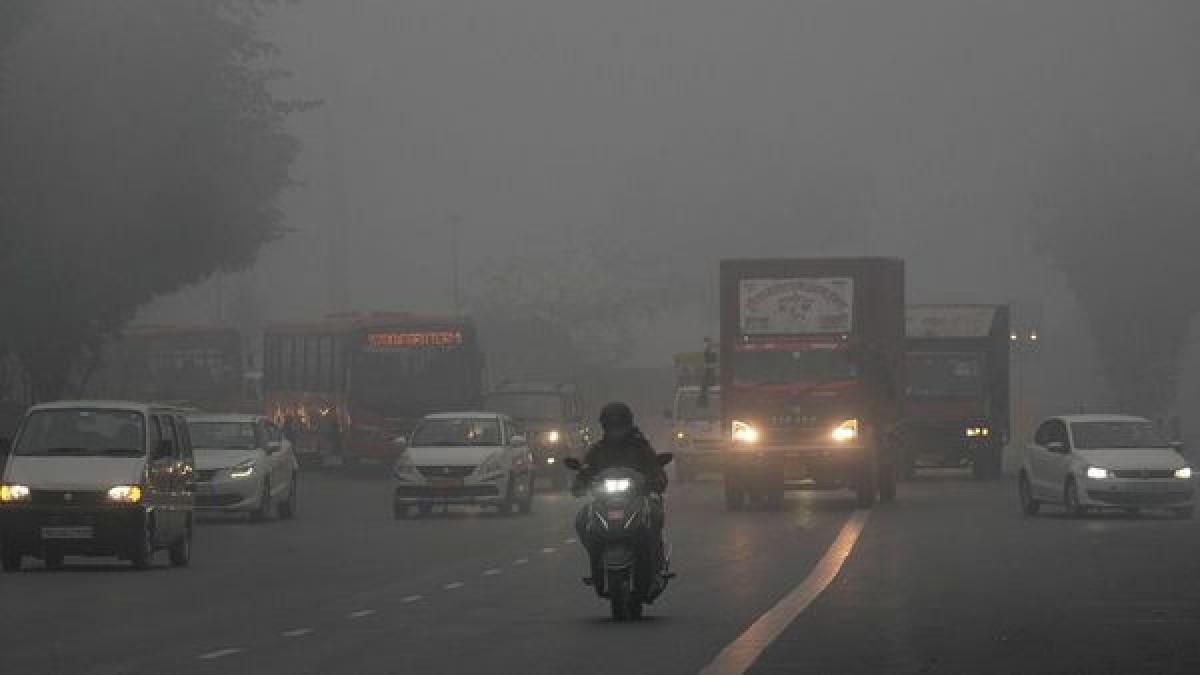
Fog Warning: Dense to very dense fog is set to return to isolated pockets of Punjab, Haryana, and Uttar Pradesh at least once more, with air and rail travel being affected leading into next week.
"The Double Whammy": Even though the current system is expected to begin abating by January 25, a new Western Disturbance is expected to strike on January 26, causing the cold to persist until the end of the month.
Impact on Daily Life
The abrupt turnaround in weather has prompted local authorities to issue advisories. Travelers entering the mountains are advised of the closure of roads across NH-44 and higher altitude passes, due to snow and slush. In the meantime, farmers in the plains have been warned to keep an eye on crops due to possible ground frost in parts of Uttarakhand and Rajasthan.
Expert Insight
“The current chill is a textbook case of post-rain cooling,” says a senior IMD scientist. “With the moisture coming from these recent showers, and cold wind blowing from the snow-covered mountains, it creates a ‘refrigerator effect’ in the plains.”