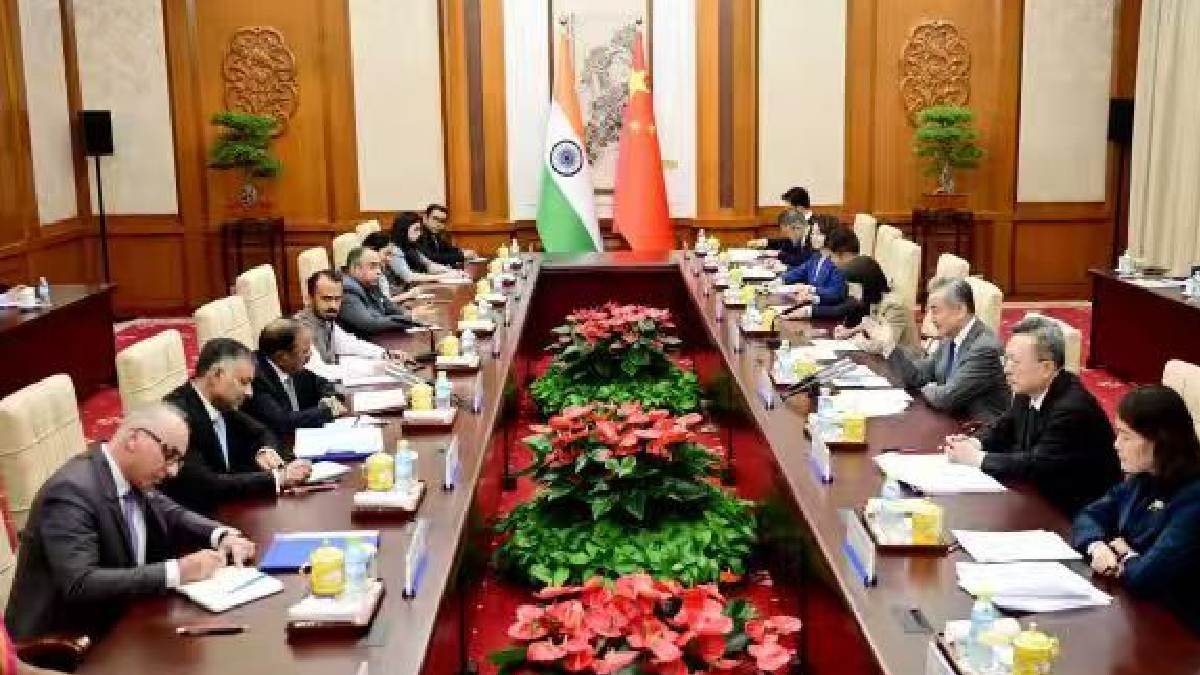
India and China have recently held high-level talks in New Delhi as part of the Working Mechanism for Consultation and Coordination on India-China Border Affairs to address the tense situation along the Line of Actual Control. Both nations have discussed the boundary delimitation, border management, coordination mechanisms between them, and cross-border cooperation in depth, the Ministry of External Affairs (MoE) said. The peace and stability of the borders are an absolute prerequisite for better bilateral relations and normalization of diplomatic ties, it added.
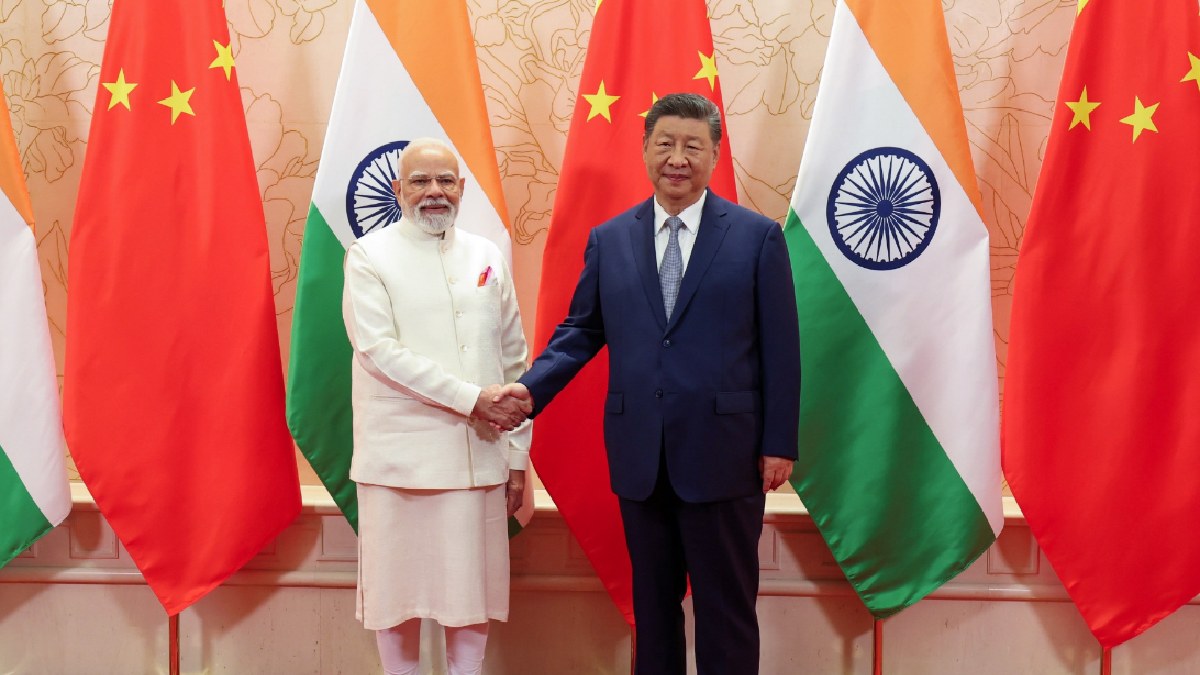
The dialogue was a significant follow-up to previous discussions between Special Representatives. The Indian delegation (Sujit Ghosh, Joint Secretary for East Asia in the Ministry of External Affairs) called for an expert-level meeting on trans-border rivers immediately. The Indian side also stressed the need for regular technical data sharing on upstream water projects. The Chinese delegation was led by Hou Yanqi, Director General of the Boundary and Oceanic Affairs Department in China's foreign ministry, and both sides tried to resolve longstanding problems.
For decades, the diplomatic relations between Delhi and Beijing have been tense, rooted mostly in the unresolved and complex boundary conflict between the two countries along the rugged Line of Actual Control. This longstanding mistrust is rooted in the Sino-Indian War and has lasted for decades even though they have been on the brink of war during periods of cautious economic and diplomatic engagement. Today, we are at the brink of a major flashpoint after the deadly Galwan Valley clash in 2020, which was the most severe military clash in decades between the two nuclear-armed neighbors and plunged bilateral relations into a deep freeze.
The two nations had to maintain a huge presence of troops, artillery, and advanced military equipment in the border region following that battle, and both armies expanded their frontier presence to the point where they deployed troops, artillery, and advanced military equipment in large numbers, and the border was heavily guarded. Despite the continuing diplomatic and military talks on both sides going on for years, there has been little progress toward full resolution. Although both governments have made various diplomatic and military talks, they do not appear to have made great progress in the past and are able to express a common wish for peace and border stability, at least in terms of the desire of both sides to end military engagement with each other and to peacefully resolve the border through a policy of less political trust, tighter control over some economic relations, and constant monitoring of both armies on the border and a high level of operational readiness.