India and China agreed to enhance the communication system along the LAC and take steps to prevent misunderstandings and miscalculations on the disputed border. The understanding was reached through the 25th round of talks between the Special Representatives of the two countries in Beijing as New Delhi and Beijing seek to improve border management and gradually stabilize bilateral ties.
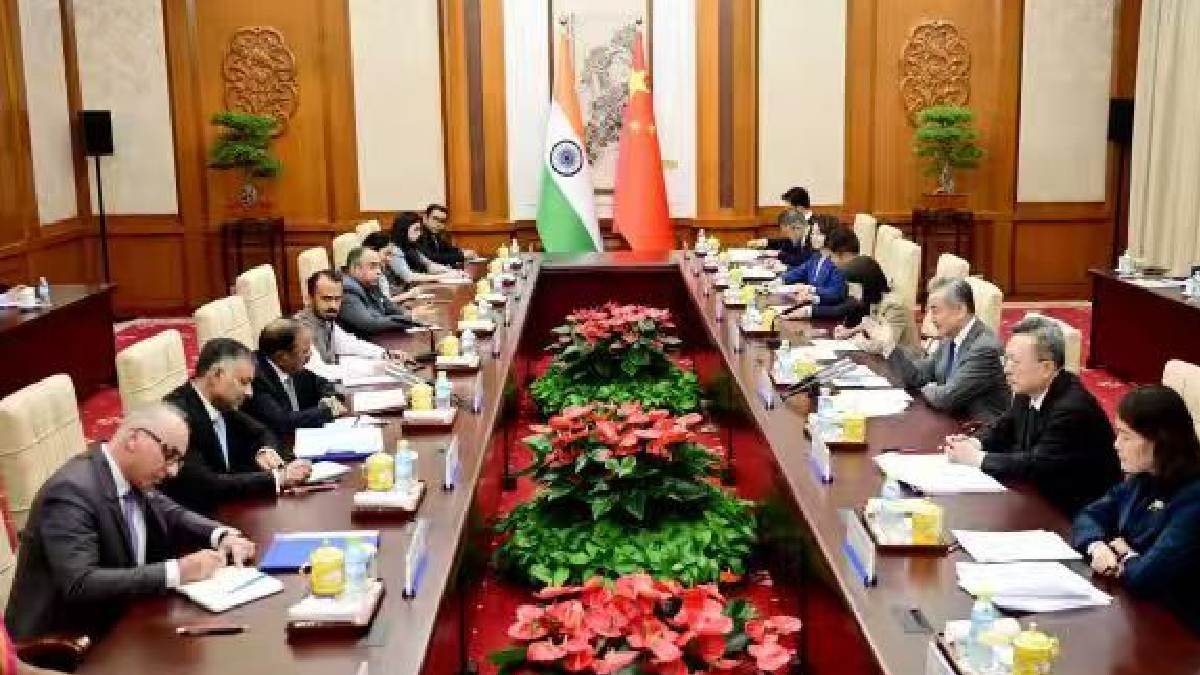
The talks were headed by India’s National Security Adviser Ajit Doval and Chinese Foreign Minister Wang Yi. The two sides reached an eight-point set of outcomes and consensus on issues from border delimitation and military communication to trans-border rivers, border trade and pilgrimage. The recent talks are the latest in a series of rounds of talks to prevent incidents along the LAC from becoming more serious.
One of the key decisions was to create two more meeting points for generals and senior military commanders. India and China are also to set up two border military hotlines in the east and middle sectors of the LAC. The new channels of communication will increase the possibility of faster contacts between military officials and help both sides deal with the situation on the ground before they get into serious disputes.
The joint statement after the talks said problems on the ground would be dealt with quickly and in a diplomatic, military fashion. These include the Working Mechanism for Consultation and Coordination, local commander-level meetings and other mechanisms agreed to for this purpose. The two countries said they would be able to solve the outstanding issues to the best of their ability and avoid misunderstanding and miscalculation along the LAC.
The Special Representatives also agreed to move forward discussions on an “Early and Substantial Harvest” of boundary delimitation. The Expert Group on Boundary Delimitation and the Working Group on Border Management under the Working Mechanism for Consultation and Coordination will advance discussions in their respective areas. Their first task will be to define terms of reference for their work.
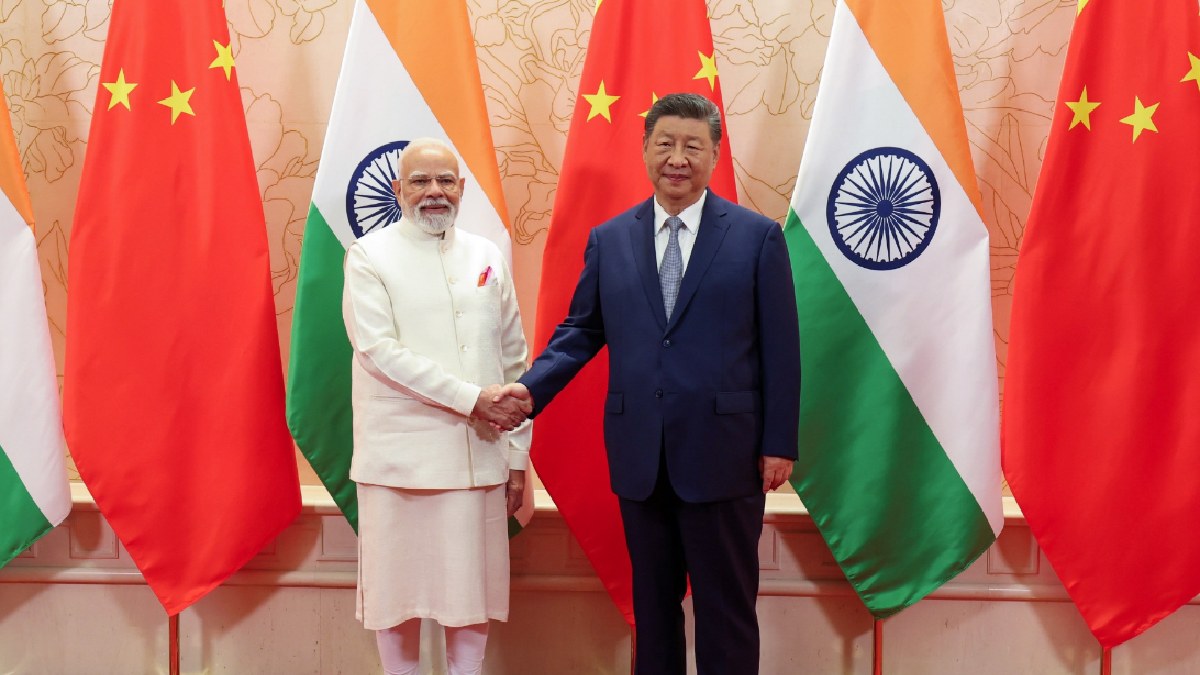
The Special Representatives mechanism was created in 2003 with the objective of finding a framework for resolving the India-China boundary dispute. The latest meeting is the third between Doval and Wang since the two countries reached an understanding in October 2024 to conclude a long-standing military standoff in eastern Ladakh. The standoff had severely affected bilateral relations and brought ties between the two Asian powers to their lowest point in decades.
The discussions on boundary delimitation are especially important as there are reports that the two sides could discuss dividing areas of the LAC that are relatively limited and can be demarcated. The two groups dealing with boundary demarcation and border management were set up during the last round of Special Representatives' talks.
India and China also agreed to enhance their understanding of the LAC in appropriate areas to enhance border management. Better communication and a clearer picture on the ground conditions could prevent patrols or military deployment from leading to accidental confrontations.
The talks also covered trans-border river issues. The two nations have agreed to hold a meeting of the Expert-Level Mechanism on Trans-border Rivers in September. They will be in touch on issues such as hydrological data sharing and memorandums of understanding to renew.
The issue is especially important for India because China is building a major hydropower project in the upper reaches of the Brahmaputra on the Tibetan plateau. New Delhi has always stressed the potential implications of large-scale infrastructure projects upstream for communities and ecosystems downstream in India and Bangladesh.
The two sides also discussed people-to-people and border-related cooperation. India welcomed China’s efforts to increase the number of batches for the Kailash Manasarovar pilgrimage. Both countries welcomed the reopening of three designated border trade points and agreed to strengthen cooperation in areas such as border trade and pilgrimage.
The consensus between India and China suggests communication security is being developed but the border dispute is far from resolved. Even if the underlying territorial disputes are still in play, the agreement to strengthen military and diplomatic channels will help to get incidents along the LAC resolved quickly and not interfere with the efforts to build bilateral relations.