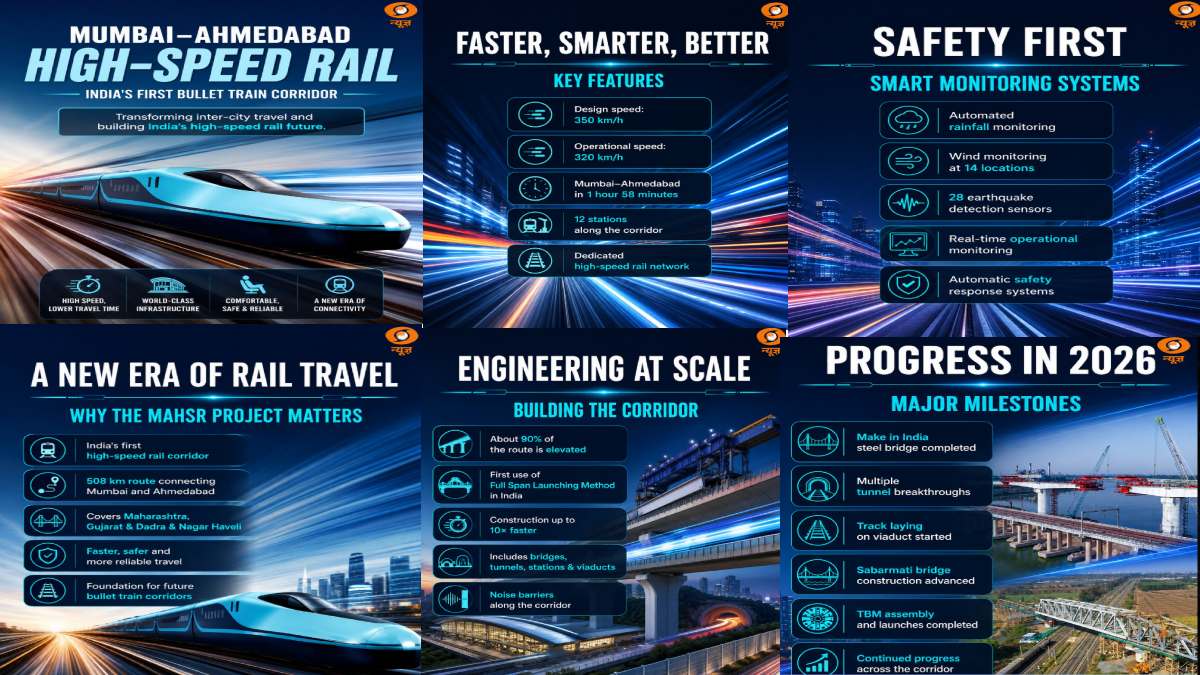
India is heading towards the dream of implementing high-speed trains as the Mumbai-Ahmedabad High-Speed Rail (MAHSR) Corridor is on the verge of a major test run and the line from Surat to Bilimora will be completed by 2027. It is a watershed moment for India's first bullet train project and another step towards the world's best high-speed rail system.
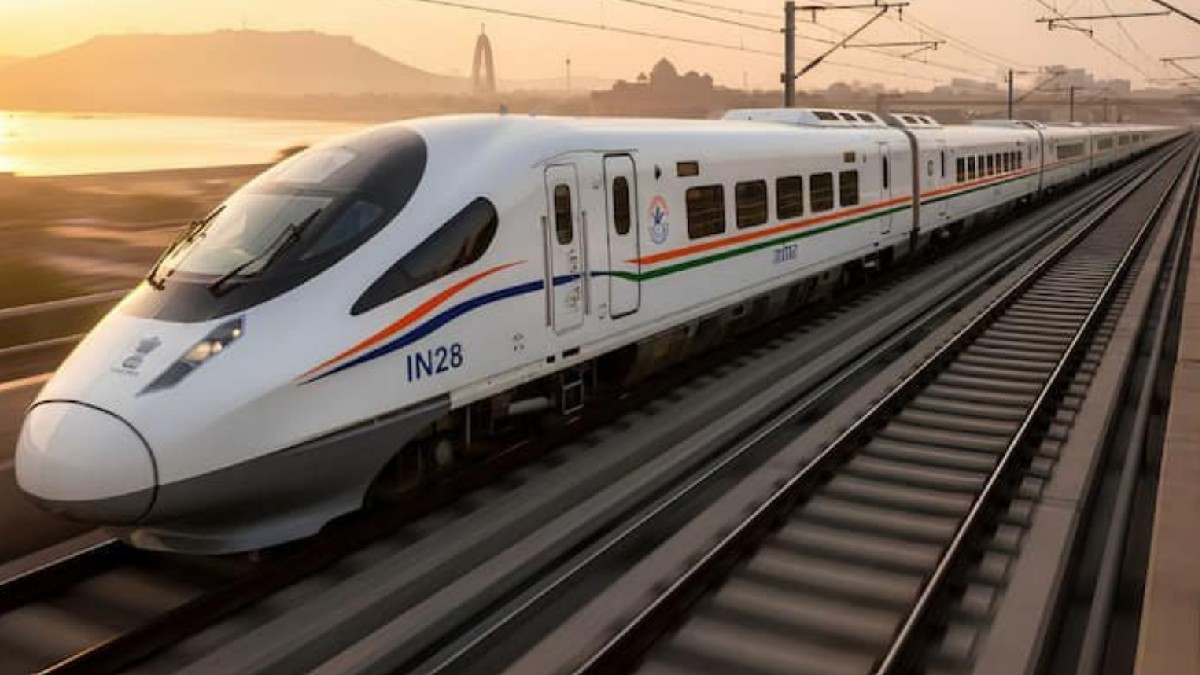
Union Railway Minister Ashwini Vaishnaw recently reviewed the progress of infrastructure construction and train manufacturing and confirmed that the project is progressing at a faster pace than initially anticipated. The first test coach has been completed and is a major achievement on the manufacturing side of the project, and the civil works in Gujarat are going ahead.
First test coach signals major progress
The first bullet train coach is now in operation and will be used for testing before the commercial operation. The coach was built as part of the extensive preparation for India’s high-speed rail system and will undergo a series of tests to evaluate its safety, performance and operational reliability.
The manufacturing milestone complements the rapid progress being made on the railway infrastructure. Engineers are working on viaducts, bridges, tunnels, stations and track systems to ensure the corridor is ready for high-speed operations. Construction on the Vapi-Surat section is expected to be completed by December 2026, so that testing and commissioning activities can begin.
Surat-Bilimora To Become India’s First Operational Bullet Train Stretch
Before the entire 508-kilometre corridor is operational, passengers will experience India's first bullet train journey on the Surat-Bilimora section. It is the first segment of the route to be commissioned and is expected to open in 2027.
The launch of this section is a symbolic moment for Indian Railways and is a test case for high-speed rail and operational testing on a real-world level. It will help to give the railway authorities a start on the Mumbai-Ahmedabad line before expanding.
Transforming Travel Between Mumbai And Ahmedabad.
Mumbai-Ahmedabad High-Speed Rail Corridor is one of India’s largest infrastructure projects and is going to revolutionise intercity travel. Spanning Maharashtra, Gujarat and Dadra & Nagar Haveli Union Territory, the corridor will connect two of the country’s largest economic hubs with trains capable of dramatically reducing travel time.
It was officially launched in September 2017 after the foundation stone was laid, and has since witnessed substantial progress despite technical hurdles. The bullet train will be able to transport people faster, safer, and more comfortably, and as the key to business and economic linkages between Western India’s major cities will be accomplished once it goes into operation.
Twelve modern stations across the corridor
The MAHSR route will have 12 strategically placed stations with modern architecture and integrated transport facilities. These stations will give access to metro systems, buses and regular railway lines and will reflect the culture of their respective cities.
The stations are Mumbai (BKC), Thane, Virar, Boisar, Vapi, Bilimora, Surat, Bharuch, Vadodara, Anand, Ahmedabad and Sabarmati. Modern passenger facilities, easy accessibility and multimodal transport links are expected to make the stations important urban mobility hubs.
Expected in August 2027.
The entire Mumbai-Ahmedabad Bullet Train corridor is expected to be launched in August 2027, with Surat-Bilimora being the first stretch to open. The project is moving from an engineering project into the operational stage as construction is complete and train testing starts.
For India, the bullet train is more than a quicker mode of transportation. It is a manifestation of the country’s growth of investments in world-class infrastructure, advanced railway technology and sustainable mobility. With the first test coach already manufactured and civil works moving along, the long-anticipated high-speed rail era is speeding up with every passing day.