India has ramped up its humanitarian response to Nepal following the devastating flash floods in Nepal and has shipped 62 tonnes of emergency relief supplies to Nepal through three military airlifts. This quick response has placed India as one of the first major countries to deliver humanitarian assistance to Nepal in the wake of the disaster.
The floods, triggered by a glacial collapse at the Nepal-China border on August 26, have caused widespread destruction and a significant loss of life. At least 579 people have died in Nepal, and seven deaths have been reported in Tibet. At least 1,900 people have been reported missing in Nepal, including at least 320 Indians and 100 people of Indian descent.
Narendra Modi spoke to Nepalese Prime Minister Balendra Shah soon after the disaster. Modi expressed his condolences and assured Nepal of India's assistance in rescue and relief operations. Indian teams have also started working closely with Nepalese authorities to deliver humanitarian assistance to Nepal.
India Delivers Emergency Supplies
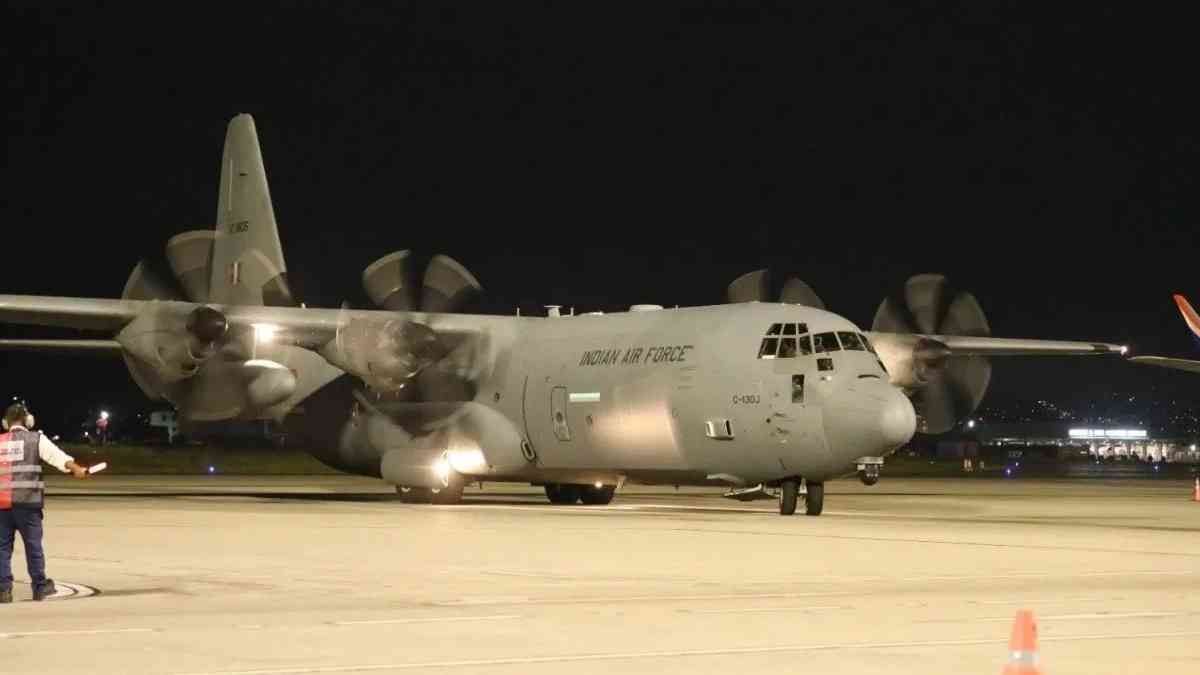
The first Indian Air Force C-130J aircraft transported 10 tonnes of emergency supplies to Kathmandu. It comprised temporary shelters, blankets, hygiene kits, solar lamps and other essential medicines to assist in the relief of the flood victims.
A larger C-17 aircraft then delivered about 37.5 tonnes of aid. The shipment contained 28.5 tonnes of relief materials, eight tonnes of medicines and one tonne of food supplies.
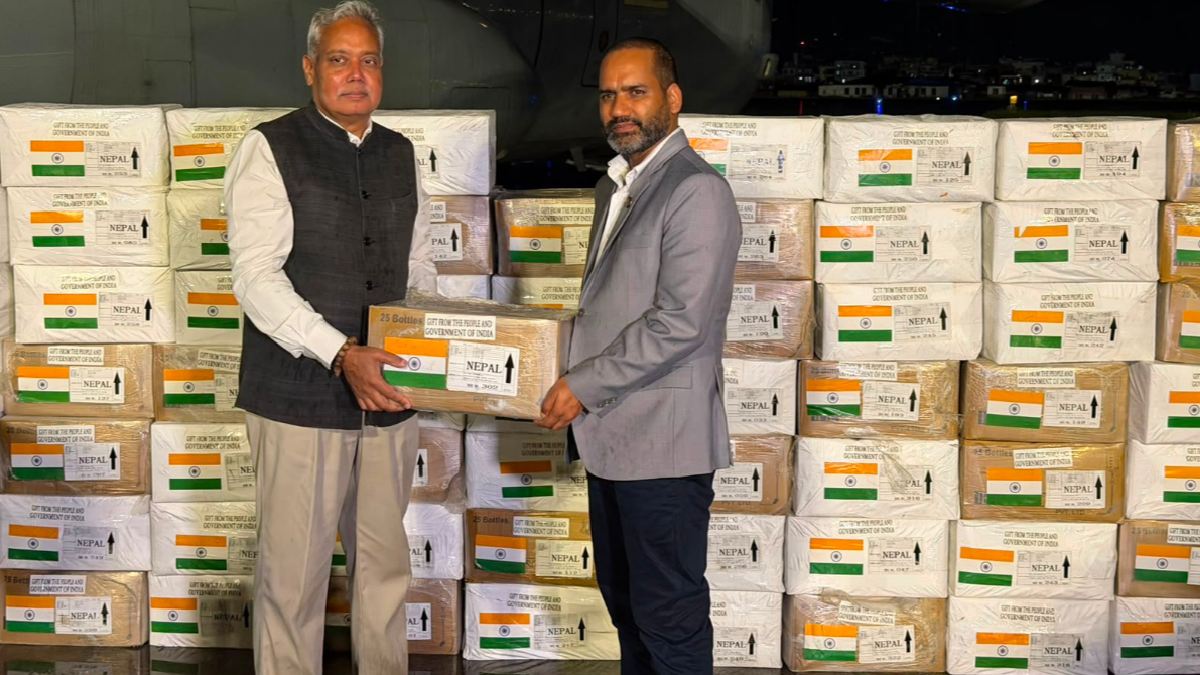
A third military aircraft carrying 10 tonnes of emergency assistance left on Friday for Kathmandu, taking India's total physical relief delivery to 62 tonnes.
Like many countries that have mainly announced financial assistance, India is attempting to provide immediate, tangible supplies to people affected by the disaster.
The response reflects India’s growing reputation as a regional “first responder” in times of major humanitarian emergencies. New Delhi has also provided emergency assistance in disasters in countries like Türkiye, Syria, Myanmar, Sri Lanka, and Venezuela.
Countries Announce Financial Assistance
Several other countries have also announced financial and logistical support for Nepal's relief and recovery operations.
The UAE Aid Agency has allocated USD 10 million. The United Kingdom has offered GBP 5 million (roughly $6.8 million) and has put up a Rapid Deployment Team to help with relief operations.
Australia has announced USD 5 million for relief agencies and locally led recovery efforts. South Korea and Sri Lanka have pledged USD 1 million, and the United States has committed USD 500,000 and plans to send a disaster-response adviser.
China has also provided emergency supplies and financial assistance. Chinese Ambassador Zhang Maoming said that coordination had been completed but authorities are working out the mechanism for transferring the assistance.
Third flight with assistance from India reaches Kathmandu.
— Dr. S. Jaishankar (@DrSJaishankar) August 28, 2026
Relief supplies and an 11-member medical and tunnel rescue team are now on the ground.
🇮🇳🇳🇵 pic.twitter.com/7VAGVLKvdg
UN and Global Agencies Join Relief Efforts
International organisations have also mobilised resources for Nepal.
The World Bank has indicated that Nepal could receive up to Rs 25 billion, or USD 163.55 million, for emergency response and recovery. The UN Central Emergency Response Fund has released USD 2.5 million to meet urgent humanitarian needs.
The International Federation of Red Cross and Red Crescent Societies has released nearly CHF 1 million and launched a CHF 25 million appeal for additional support.
The World Health Organization has provided medicines, tents and an emergency health kit, while Médecins Sans Frontières has deployed an assessment team to assess humanitarian and medical needs.
Rescue and relief operations are ongoing with thousands of people missing and communities experiencing severe disruption. India's early deployment of physical aid, alongside financial and specialist assistance from countries and international organisations, will be key to Nepal's immediate response and long-term recovery.