India’s push to reduce its reliance on imported materials for currency production has brought an unusual mix of issues into focus from China and Pakistan to animal-derived tallow.
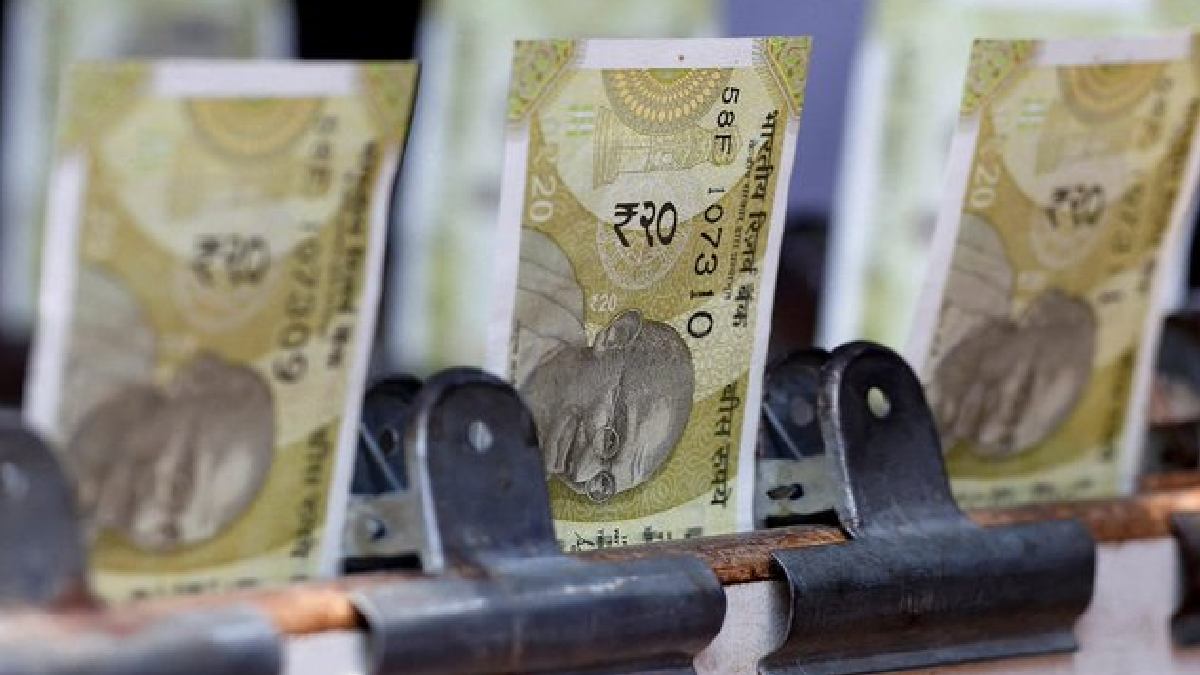
At the heart of the discussion is India’s attempt to strengthen domestic production of the specialised paper and materials used to make banknotes.
In this context, the word “plastic money” is quite misleading. In most everyday use, it simply refers to debit and credit cards and discussions of modern currency are usually based on polymer-based banknotes.
India, however, still relies heavily on paper-based currency and has security measures to prevent counterfeiting.
Why China and Pakistan Enter the Picture
India’s currency ecosystem depends on a carefully controlled supply chain that includes specialised paper, security fibres, inks and other materials.
Any dependence on foreign suppliers can be a strategic concern, particularly if the countries involved have complicated geopolitical relationships with New Delhi.
China’s position as a major global manufacturing power makes it an important player in the supply chains for some industrial materials.
Pakistan, on the other hand, has been in discussions about currency security mainly because of counterfeit Indian currency and cross-border circulation.
This has encouraged policymakers to put more emphasis on domestic capabilities. When the currency-related materials in India are produced, external vulnerabilities will be lessened and the security and supply of banknotes will be controlled by the government.
Where Does Animal Tallow Come In
Animal tallow is a rendered form of animal fat used in many industries. It is connected to currency-related questions of materials and processing agents used for the production of some specialised papers and other products.
For India, questions about animal-derived ingredients can be especially sensitive because of religious, cultural and consumer concerns. So any use of such materials in products related to money can make people aware.
The issue also illustrates the ever more complex nature of today’s currency production. Banknotes are not only sheets of paper.
They require specialised manufacturing processes and security technologies involving multiple components.
India’s Push for Greater Self-Reliance
The larger issue is how to reduce strategic dependence and strengthen domestic manufacturing. India is increasingly moving to the production of sensitive and valuable materials locally, especially for national security and financial infrastructure.
A more self-reliant currency supply chain would reduce India’s exposure to international disruptions and enhance its oversight of how the materials coming into the production process are made.
The debate about China, Pakistan and animal tallow therefore reflects a much bigger question: How much control does India have over the materials behind its currency?
As India expands manufacturing capabilities, the focus is not only on printing banknotes but also the whole ecosystem behind them.
That includes raw materials, specialised paper, security features and the technologies required to guarantee the integrity of India’s money.
For ordinary citizens, this debate seems distant from daily business transactions. But the materials and supply chains behind a banknote are ultimately part of the country’s financial security infrastructure.