But when scientists’ geological mapping conducted this month by the National Air and Space Museum and NASA’s Lunar Reconnaissance Orbiter confirmed that our Moon is physically getting smaller, we were in a moment to celebrate. The innermost part of the Moon is shrinking like a grape shriveling into a raisin, causing its crust to contract and wrinkle.
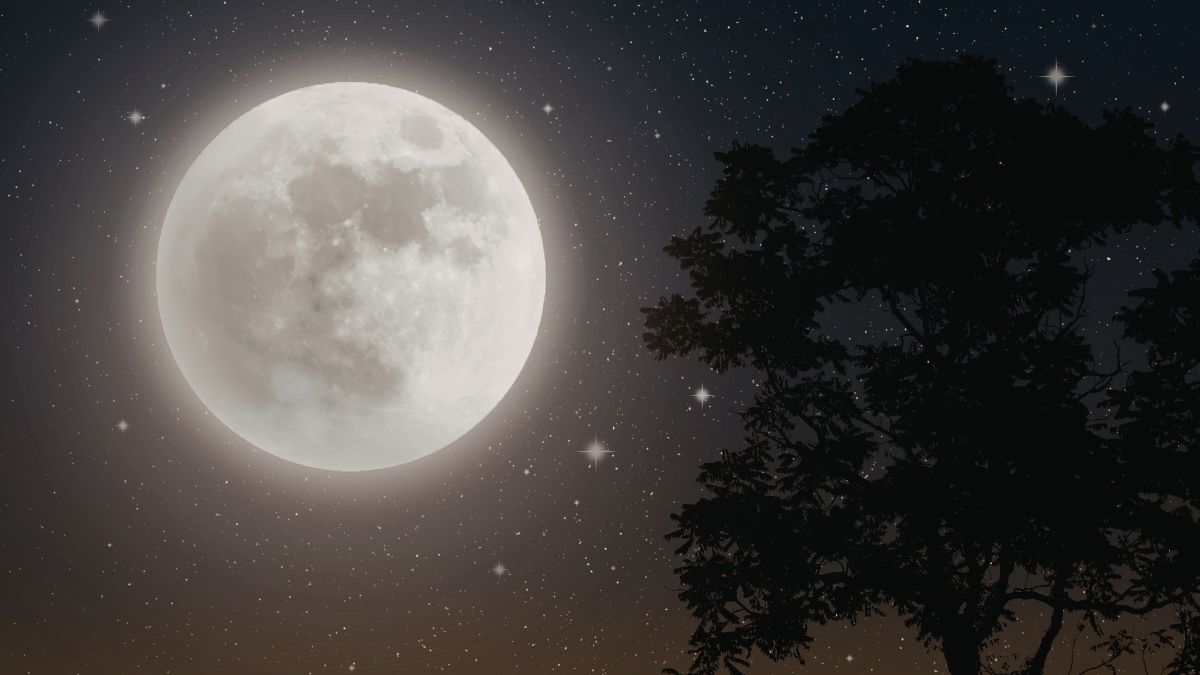
Scientists have just identified more than 1,000 new tectonic ridges (small mare ridges) on the moon’s surface. This has shrunk the size of the Moon by about 50 meters over the last several hundred million years. This might seem minor, but it’s fueling high-intensity moonquakes that can last for hours a significant challenge for the upcoming Artemis III mission, now being postponed for 2028.
But What Would Happen If the Moon Simply Disappeared?
But while the Moon is contracting, it isn’t “vanishing” at all, any time soon. But overnight, when our closest neighbor disappeared, the impact on our planet would be disastrous and irreversible. Without it, the “tidal bulge” would collapse.
- Solar Tides: The Sun would still pull the oceans but with roughly one-third the size as today.
- Ecosystem Collapse: Coastal biomes would lose intertidal zones for crabs and various marine life.
- Ocean Stagnation: Tides keep heat and nutrients moving. Without those, ocean currents would weaken and the world’s weather patterns would have an extreme change.
- Planetary Instability: The “Wobble” Problem The Moon is a gravity stabilizer that provides Earth’s axial tilt – which is today roughly 23.5 degrees. Our tilt could be 0 degrees (no seasons) to over 45 degrees.
- Climate Chaos: If we ever swing a huge tilt a few thousand years, that could take us into a permanent ice age or literally make rich areas deserted.
Ecological Confusion
The absence would send the biological clocks of dozens of species into hot water: Nocturnal Predators Animals that depend upon moonlight to search will be plunged into total darkness and the predator-prey balance will collapse. Migration & Mating: Some species, such as sea turtles, which rely on moonlight for movement to nesting grounds, would lose their main means of direction.
The Darker Night
The second source of light would disappear from the night sky, beyond the physical disasters. A night without a Moon is 2.5% as bright as a night of a New Moon, essentially making the world much darker, and changing the basic experience we have experiencing in life on Earth. Although its current “shrinking” is a novel geological phenomenon that complicates what we might propose for lunar bases, the complete absence of its presence would end the world as we know it.