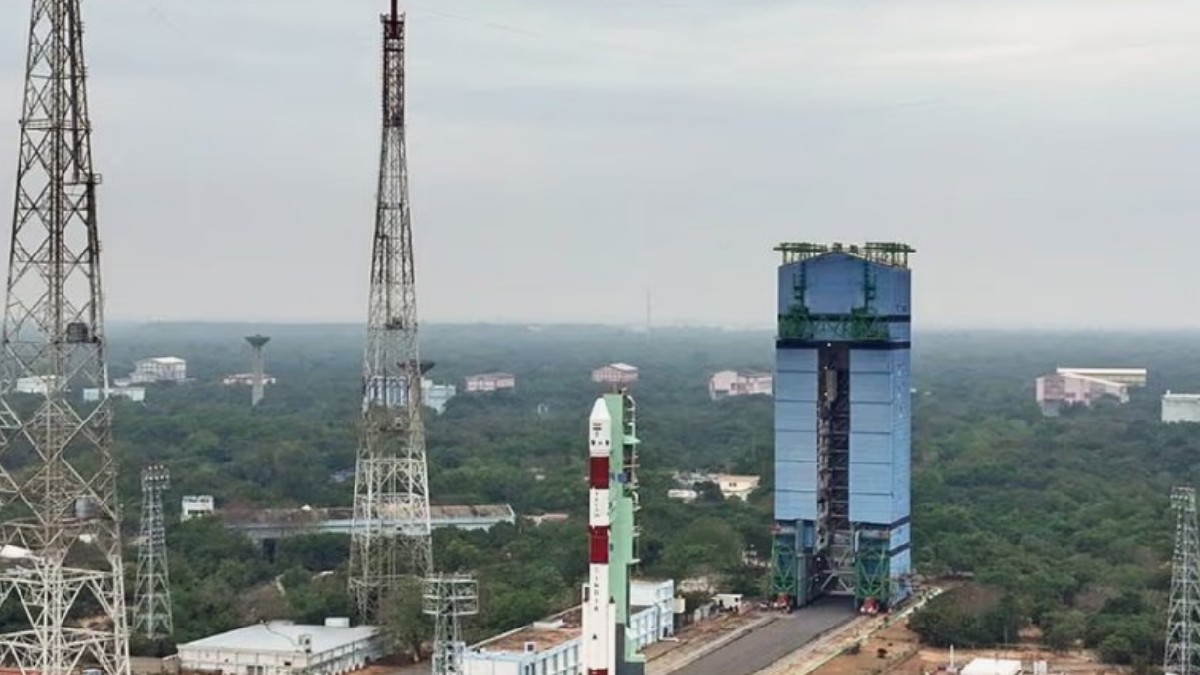
A calamitous blow to India’s 2026 space calendar, the Indian Space Research Organisation (ISRO) confirmed that the PSLV-C62 mission suffered a critical failure shortly after liftoff on today. Although the launch started with a glorious climb from the Satish Dhawan Space Centre at 10:18 AM IST, a technical issue in the third stage led to a deviating trajectory for the vehicle, and the deployment of all 16 satellites remained unconfirmed and probably missing.
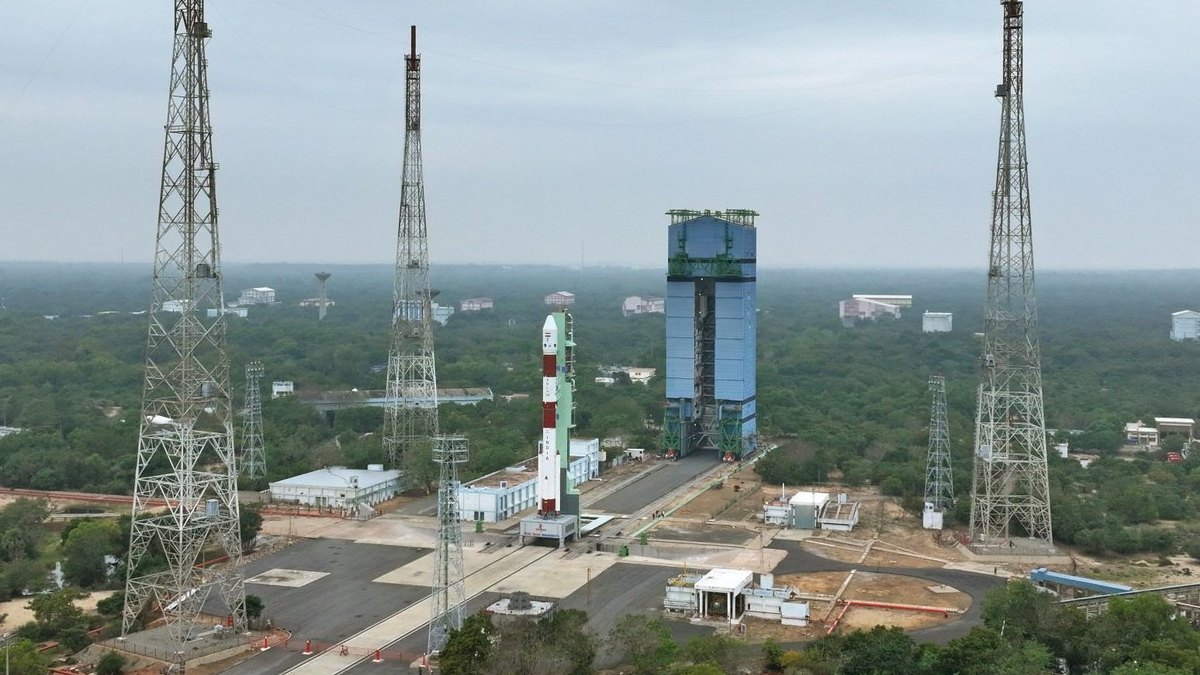
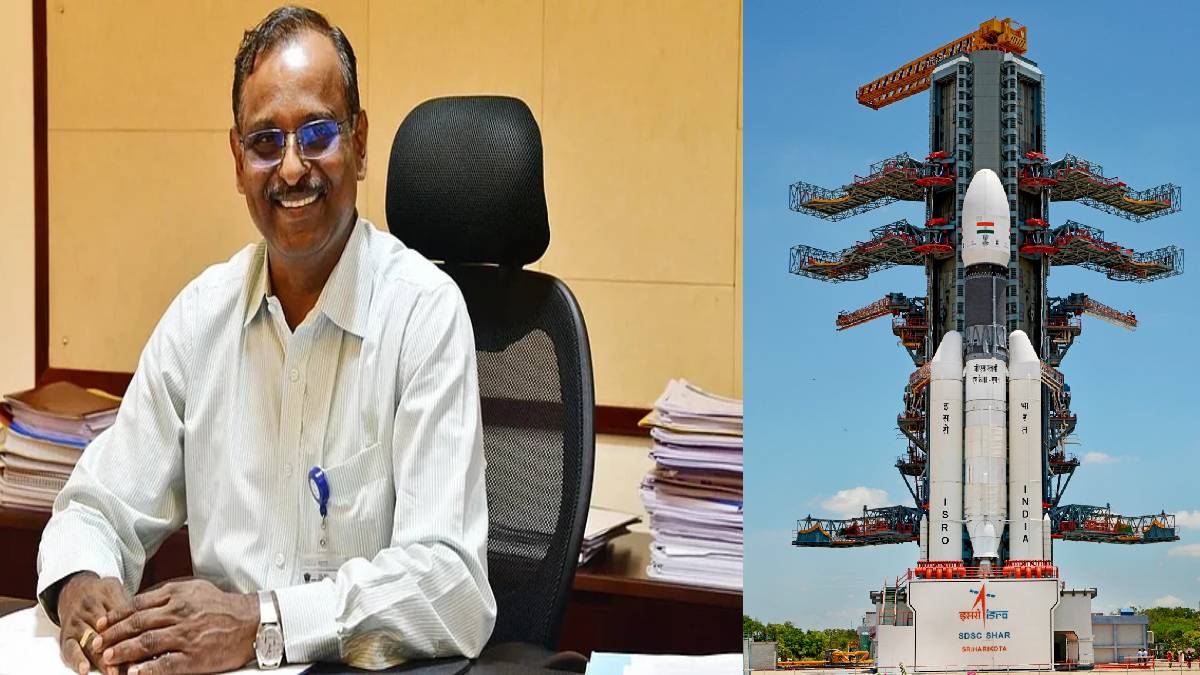
The PSLV-DL variant, which boasted a primary payload and 15 co-passenger satellites, performed only nominally during its initial two phases. However, at that point, the mission control observed a huge "disturbance in roll rates” as the rocket approached the final moments on the third-stage (PS3) burn. “The results were just what expected until stage 3. We found a disturbance and a subsequent flight path deviation,” ISRO Chairman V. Narayanan said. “We are also verifying data from all ground stations to understand the underlying pathologies.”
Mission Specs at a Glance:
- Paid Part: EOS-N1 (Anvesha): Anvesha is a 1,710 kg hyperspectral imaging satellite for DRDO maritime surveillance.
- Co-passengers: 15 small satellites, student payloads, private firm experiments and Spain’s KID re-entry demonstrator.
- Satellites: 505 km Sun-Synchronous Orbit (SSO).
- Status: Flight path deviation; orbit insertion failure.
Echoes of PSLV-C61
This is an alarming trend for the PSLV program, once praised as ISRO’s most dependable "workhorse." It is a second straight failure of a third-stage anomaly, coming immediately after the PSLV-C61 failure in May 2025. In both cases rocket problems emerged about 8 to 12 minutes into the flight, implying that a system-wide problem of solid-fuel motor case or chamber pressure might have been in place.
Impact on the Space Economy in India
Loss of 16 satellites was a major blow to NewSpace India Limited (NSIL), ISRO's commercial arm. The mission involved high-stakes payloads from Indian startups like Dhruva Space, as well as partners of nations throughout the world, including Brazil, Spain and France. A failure of the PSLV twice in less than a year is likely to prompt a thorough investigation by the Failure Analysis Committee (FAC). It also places serious doubt on ISRO's high-stakes 2026 timetable involving a number of commercial rideshares and critical preparations for the Gaganyaan human spaceflight launch.